Understanding Anxiety as a Social Determinant of Health: How Society Shapes Mental Well-being

Anxiety, a common mental health condition, affects millions worldwide. While it is often attributed to individual factors such as genetics or brain chemistry, the social environment plays a profound role in shaping mental well-being. Social determinants of health—conditions in which people are born, grow, live, work, and age—significantly influence the prevalence and management of anxiety disorders. Factors like socioeconomic status, community support, workplace dynamics, and cultural norms create a framework that affects mental health.
This article explores how anxiety functions as a social determinant of health, examining the societal influences that contribute to anxiety and strategies for fostering mental well-being in communities.
What Are Social Determinants of Health?
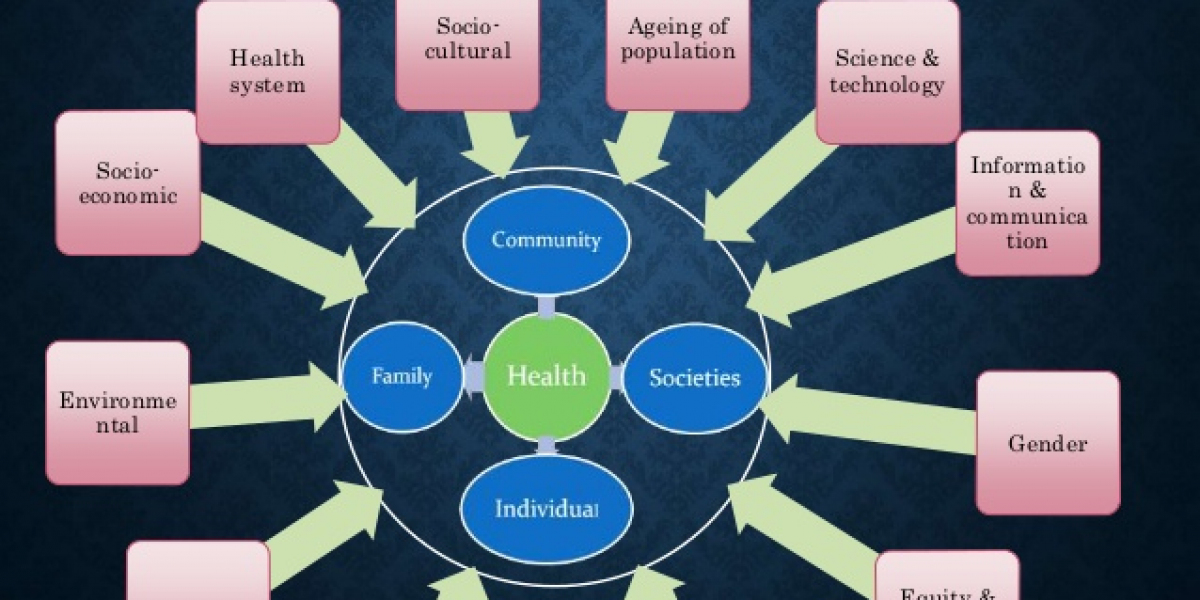
Social determinants of health (SDOH) refer to the non-medical factors that influence health outcomes. These determinants include:
- Economic Stability: Income, employment, and financial security.
- Education: Access to quality education and information.
- Social and Community Context: Relationships, support systems, and societal norms.
- Healthcare Access: Availability and affordability of mental health services.
- Neighborhood and Environment: Housing, safety, and access to green spaces.
These elements impact physical, emotional, and mental health, with anxiety being one of the mental health conditions most influenced by social determinants.
The Link Between Society and Anxiety
Anxiety disorders are more than a personal struggle—they reflect broader societal dynamics. Let’s examine how social determinants contribute to anxiety:
1. Economic Stress and Financial Insecurity
Economic stability is a major determinant of mental health. Unemployment, low income, and debt can create chronic stress and fuel anxiety.
- Job Insecurity: Uncertainty about employment leads to heightened anxiety about the future.
- Poverty: Limited financial resources increase the risk of mental health issues due to reduced access to healthcare and basic needs.
- Cost of Living: Rising expenses without corresponding income growth exacerbate stress and anxiety.
2. Educational Inequities
Access to education not only impacts career opportunities but also mental well-being.
- Lack of Education: Limited education can reduce awareness about mental health and coping strategies.
- Pressure to Achieve: Academic stress in competitive environments can contribute to anxiety, particularly among students.
- Misinformation: Inadequate education about mental health can lead to stigma and lack of treatment.
3. Social Isolation and Community Support
Humans are social beings, and community connections are vital for mental health.
- Social Isolation: Loneliness and lack of supportive relationships are significant contributors to anxiety.
- Toxic Relationships: Negative or abusive relationships increase stress and anxiety levels.
- Cultural Norms: Societal pressures, such as unrealistic beauty standards or expectations to conform, can fuel anxiety.
4. Workplace Dynamics
The workplace is a major source of stress for many adults.
- Burnout: High-pressure jobs and long working hours can lead to chronic anxiety.
- Discrimination: Experiencing bias or harassment in the workplace contributes to mental health challenges.
- Job Insecurity: Fear of layoffs or lack of career growth can heighten anxiety.
5. Neighborhood and Living Conditions
The physical and social environment significantly impacts mental well-being.
- Unsafe Neighborhoods: Living in areas with high crime rates can lead to constant fear and anxiety.
- Poor Housing Conditions: Overcrowding, noise pollution, and lack of privacy exacerbate stress.
- Limited Access to Resources: Communities without access to parks, healthcare, or recreational spaces face higher levels of mental health issues.
How Society Can Shape Positive Mental Well-being
While societal factors contribute to anxiety, creating supportive environments can foster mental well-being. Here are ways to address social determinants of health to reduce anxiety:
1. Promote Economic Stability
- Support Employment: Offer job training programs and create stable employment opportunities.
- Affordable Living: Implement policies to reduce housing costs and provide financial assistance for those in need.
- Debt Relief: Provide resources to help individuals manage debt and build financial security.
2. Enhance Access to Education
- Mental Health Education: Integrate mental health awareness into school curriculums.
- Reduce Academic Pressure: Create a balanced education system that emphasizes learning over competition.
- Community Programs: Offer workshops and training to improve mental health literacy in underserved areas.
3. Strengthen Social Support Systems
- Build Community Networks: Encourage initiatives that foster social connections, such as clubs, events, and volunteer opportunities.
- Combat Stigma: Educate the public about anxiety disorders to normalize seeking help.
- Relationship Counseling: Provide affordable therapy to help individuals navigate personal and family challenges.
4. Improve Workplace Environments
- Work-Life Balance: Promote flexible work hours and encourage time off to prevent burnout.
- Safe Workplaces: Enforce policies to prevent discrimination and harassment.
- Mental Health Resources: Offer employee assistance programs and mental health benefits.
5. Enhance Living Conditions
- Urban Planning: Design neighborhoods with access to parks, walking paths, and community spaces.
- Safety Initiatives: Increase law enforcement presence and community policing to reduce crime rates.
- Housing Improvements: Invest in affordable housing projects with improved living standards.
The Role of Policy and Advocacy
Addressing the social determinants of anxiety requires systemic change. Policymakers, organizations, and communities can:
- Advocate for Mental Health: Push for policies that prioritize mental health funding and access.
- Provide Training for Professionals: Equip healthcare workers, teachers, and employers with tools to support mental well-being.
- Measure Impact: Track progress in reducing anxiety by evaluating societal changes and their effects on mental health.
Seeking Help: The Role of Individual Efforts
While systemic change is essential, individuals can take steps to manage anxiety:
- Seek Professional Help: Therapy and medication can provide relief and coping strategies.
- Practice Self-Care: Exercise, mindfulness, and hobbies can reduce stress.
- Build Support Networks: Connect with friends, family, or support groups for emotional support.
Conclusion
Anxiety is deeply intertwined with social determinants of health, reflecting how economic, educational, social, and environmental factors shape mental well-being. By addressing these societal influences, communities can reduce the prevalence of anxiety and promote positive mental health.
Creating change requires a collaborative effort from policymakers, organizations, and individuals. With increased awareness, supportive environments, and equitable access to resources, society can mitigate the impact of anxiety and empower individuals to lead healthier, more fulfilling lives. Understanding and addressing anxiety as a social determinant of health is a step toward a more compassionate and mentally resilient world. Visit Behavioral Healthy for more information.
Business Talk
15 posts
-
 The Timeless Appeal of DLF Park Place Sector 54 Gurgaon: A Living Legacy
Living at DLF Park Place Sector 54 Gurgaon means becoming part of an established, sophisticated, and close-knit neighborhood. The clubhouse acts as the center of social activity, hosting everything from fitness sessions and sporting events to community gatherings.
-
 Redefining Luxury: The Iconic M3M Golf Estate, Sector 65
In the bustling landscape of Gurugram, few addresses command the same level of prestige and architectural grandeur as M3M Golf Estate, Sector 65. As one of the most prominent residential landmarks along the Golf Course Extension Road, this project has effectively transformed the concept of
-
 Redefining Ultra-Luxury: A Deep Dive into Whiteland Westin Residences, Sector 103, Gurgaon
In the heart of the rapidly evolving Dwarka Expressway corridor, a new benchmark for premium living has emerged. Whiteland Westin Residences, located in Sector 103, Gurgaon, isn't just a residential project—it is a landmark collaboration that brings the world-renowned hospitality o
-
 Green Engineering and Health Optimization at Whiteland The Aspen
To address this, Whiteland Corporation integrated specialized CTMA3 Air Purification technology into the core building systems. This central air infrastructure works continuously to treat, filter, and circulate air throughout enclosed common areas, double-height entrance lobbies, and tower
-
 Mastering the Asset: Technical Infrastructure, Micro-Market Value, and Structural Layouts at DLF Park Place
This deep dive focuses on the granular technical infrastructure, exact structural layouts, and macro-economic factors that explain why this specific project maintains a massive edge over its competition in 2026.
-
 Brand Identity and Tenant Experience: Cultivating Loyalty at Elan Empire Gurgaon
Securing high occupancy in a premium high-street asset is only half the battle. For long-term viability, property management and individual investors must shift their focus to building tenant loyalty and creating a distinctive brand identity.
-
 Master Review: Evaluating Godrej Nature Plus, Sector 33, Gurgaon
The layout uses a smart structural pattern where towers are angled away from each other. This creates a staggered footprint that gives corner apartments clear, unblocked views of the Aravalli foothills while ensuring optimal morning and afternoon sunlight. Inside the towers, the floor plan
-
 BPTP Downtown 66: A Masterpiece of Vertical Luxury in Sector 66
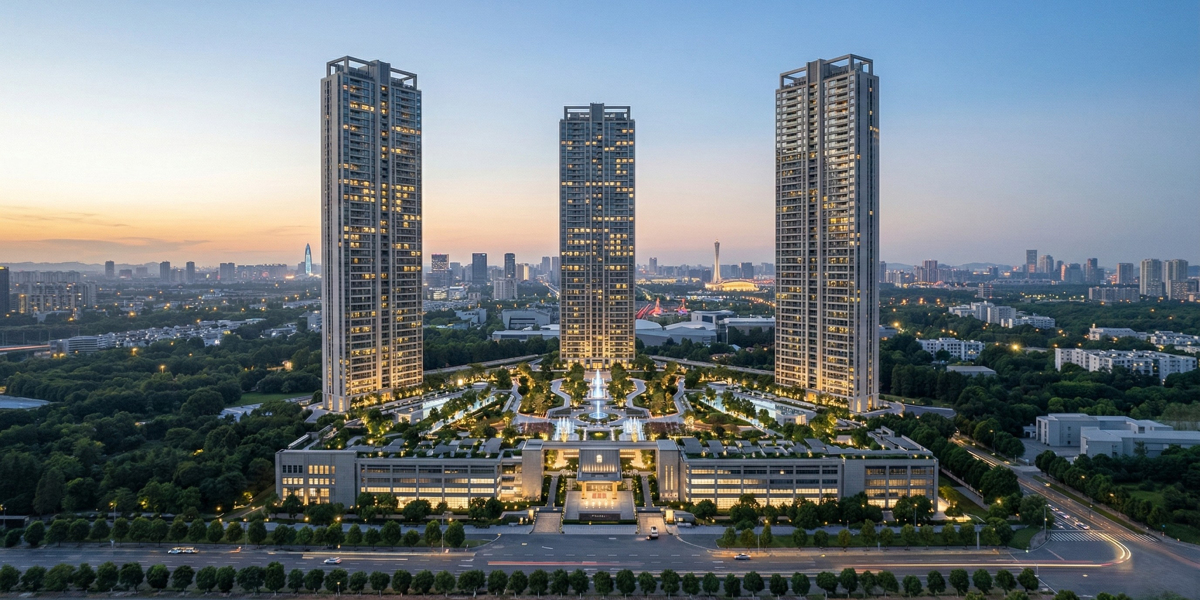
BPTP Downtown 66 has emerged as one of the most anticipated high-rise developments on the Golf Course Extension Road. Designed by the globally acclaimed architectural firm Aedas, this project is not just a residential complex but a vertical ecosystem where luxury meets functionality.
-
 Aesthetic Clinic in Australia | Beauty Clinic in Carolina | PM Aesthetics
Discover a trusted aesthetic clinic in Australia and a professional beauty clinic in Carolina. PM Aesthetics offers advanced skincare, cosmetic treatments, and personalized beauty solutions.
-
 The Masterful Synergy at Signature Global Tonino Lamborghini
Signature Global Tonino Lamborghini Residences represents a ₹2,890 crore synergy of Italian supercar aesthetics and Indian engineering excellence in Sector 71.
-
 Sidewalk Repair NYC: A Complete Guide for Property Owners
Sidewalks in New York City endure constant wear and tear due to heavy foot traffic, extreme weather conditions, and tree root growth. Over time, cracks, uneven surfaces, and potholes can develop. These issues not only create an unpleasant appearance but also pose serious safety hazards for


