The events industry in Dubai has long been celebrated for its ability to merge tradition with innovation, creating experiences that captivate global audiences. Recently, a significant shift has been taking place with the rise of hybrid exhibition design—a model that seamlessly integrates digital and physical elements. This approach unlocks new opportunities for event organizers, exhibitors, and attendees, enhancing engagement and accessibility.
Dubai’s emphasis on technology and innovation makes it an ideal hub for hybrid exhibitions. This article explores how these models are reshaping the event landscape, their benefits, challenges, and the trends shaping their future.
What Defines a Hybrid Exhibition?
At its core, a hybrid exhibition blends in-person and virtual elements to create a unified experience that transcends the limitations of either format. These events typically enable physical attendees to explore exhibition spaces while allowing remote participants to join virtually via live streams, interactive platforms, or virtual reality (VR) technologies.
Hybrid exhibitions cater to an increasingly globalized, digital-savvy audience. They ensure greater accessibility, engagement, and resilience, especially in the face of disruptions like travel restrictions or health crises.
Key Characteristics of Hybrid Exhibitions
1. Dual Formats
Live attendees experience physical booths and face-to-face networking, while digital participants access webinars, remote booths, and other online elements.
2. Technological Integration
Tools like augmented reality (AR), hybrid-ready event apps, and audience engagement platforms allow for seamless synchronization between the two formats.
3. Inclusive Participation
Geographic barriers are removed, enabling exhibitors to reach a wider, more diverse audience.
The rise of hybrid exhibitions is particularly prominent in Dubai, thanks to its advanced infrastructure and digital innovation.
Dubai as a Hub for Hybrid Exhibition Design
Dubai has positioned itself as a leader in hybrid exhibition solutions, leveraging its world-class infrastructure and technological prowess to redefine the global events industry.
Pioneering Examples
- Dubai Design Week 2020 utilized hybrid elements to reconnect local and global audiences amidst the challenges posed by the COVID-19 pandemic. Events took place onsite at Dubai Design District (d3) alongside virtual tours, live-streamed panels, and online showcases.
- Arabian Travel Market Virtual successfully transitioned from a physical setup to a hybrid event. It offered online avenues for networking and sessions while maintaining a physical presence for local attendees.
These milestones highlight how Dubai’s event planners are redefining how major exhibitions are conducted, ensuring accessibility and impact.
Why Dubai Leads the Way
1. Advanced Infrastructure
With cutting-edge venues, such as the Dubai World Trade Centre and d3, the city is equipped to support complex hybrid models.
2. Local and International Engagement
Dubai attracts a global audience while serving as a regional hub for innovation, making it the perfect testing ground for hybrid models.
3. Government Support
Initiatives like the Dubai Smart City and investment in sustainable technologies reinforce the city’s capability to host sophisticated hybrid exhibitions.
Benefits of Hybrid Exhibitions
Combining the physical and digital unites the best of both formats, delivering unparalleled benefits for event organizers and participants alike.
Expanded Audience Reach
Unlike traditional exhibitions limited by geographical constraints, hybrid models allow remote attendees to join from anywhere in the world. For instance, an AI-powered attendee platform at a Dubai hybrid event could enable networking between a luxury jewelry designer in Italy and a retailer in the UAE.
Increased Return on Investment (ROI)
Hybrid exhibitions deliver measurable ROI:
- Reduced Costs: Less reliance on extensive physical setups and travel budgets.
- Extended Engagement: Recorded sessions and online platforms enable extended post-event interactions.
- Data & Analytics: Tools like heatmaps, attendee polls, and engagement trackers provide actionable insights for exhibitors.
Enhanced Accessibility
Hybrid events accommodate individuals unable to travel, whether due to health, financial constraints, or time conflicts. This inclusivity results in a broader and more diverse audience.
Environmentally Sustainable
By reducing the need for long-distance travel and excessive use of physical resources, hybrid exhibitions lower their environmental footprint. With sustainability becoming a global priority, this factor resonates with both participants and exhibitors.
Resilience During Disruptions
During crises like the COVID-19 pandemic, enterprises using hybrid models seamlessly shifted to entirely digital elements, ensuring continuity.
The Role of Technology in Shaping the Hybrid Experience
Technology acts as the backbone of hybrid exhibitions, enabling enriched and interactive experiences for both in-person and virtual attendees.
Augmented and Virtual Reality
- AR: Adds digital overlays to physical setups, such as interactive product demos triggered by scanning QR codes.
- VR: Fully immerses virtual attendees, enabling lifelike visits to exhibitions using headsets.
Online Platforms and Apps
A hybrid-ready event app can facilitate:
- Attendee interactions through matchmaking algorithms.
- “Digital booths” showcasing exhibitor videos, webinars, and downloadable content.
- Real-time Q&A sessions for online participants.
Data Analytics
Advanced technologies provide valuable insights into attendee behavior:
- Traffic heatmaps indicate interest in certain physical booths.
- Online engagement metrics reveal content popularity.
Immersive Content
Creating a post-event digital repository (e.g., downloadable brochures, recorded panels) amplifies engagement as audiences revisit and share event highlights.
Challenges and Solutions in Implementing Hybrid Designs
Although hybrid exhibition models present countless opportunities, challenges such as technical complexity and participant engagement arise.
Technology Overload
While advanced tools are critical, a highly complex digital interface can overwhelm attendees. The solution involves offering intuitive user experiences (UX) and ensuring technical support is readily available.
Bridging the Engagement Gap for Remote Attendees
Virtual participants can often feel disconnected. Addressing this involves:
- Deploying moderators to balance interaction between live and virtual audiences.
- Leveraging gamification to encourage greater participation, both online and on-site.
Balancing Costs
Although hybrid models can generate greater ROI in the long run, their high initial costs (e.g., for digital infrastructure) are a hurdle. Partnering with sponsors and focusing on scalable solutions, such as modular setups, can mitigate expenses.
Maintaining Consistency
Cross-format consistency ensures the event experience is seamless. This requires synchronizing branding, messaging, and content delivery across physical and digital platforms.
Future Trends and Opportunities
The success of hybrid exhibitions is fueling a wave of innovation that promises to reshape the industry further.
AI in Hybrid Events
Artificial Intelligence is paving the way for smarter attendee engagement:
- Personalized Recommendations: AI analyzes attendee profiles to curate session suggestions and networking opportunities.
- Real-Time Translations: Enable communication across diverse global audiences.
Metaverse Integration
Platforms like the Metaverse add an extra layer of immersion. Imagine hosting an industry seminar both at a live venue and simultaneously within a virtual auditorium.
Digital Twins of Physical Stands
Using 3D modeling, exhibitors can create virtual twins of their physical stands. While in-person attendees explore booth displays, remote participants interact with the same models digitally.
Blended Sponsorships
Combining physical activations (e.g., branded booths) with digital advertisements in live streams amplifies sponsor visibility. Interactive sponsorship packages can be tailored for hybrid models.
Summing Up the Hybrid Revolution
Hybrid exhibition design represents a significant paradigm shift in Dubai’s events landscape. By bridging digital and physical elements, these models enhance accessibility, deepen connections, and amplify impact for exhibitors and attendees alike.
For businesses, the promise of hybrid exhibitions lies in their ability to create inclusive, interactive, and innovative experiences that resonate globally. Forward-thinking exhibition stand designers in Dubai are leading this evolution—crafting spaces that seamlessly blend in-person engagement with cutting-edge virtual technology. With Dubai at the forefront, hybrid event models are not just a trend—they’re fast becoming the industry standard, offering a glimpse into a future where technology and human interaction seamlessly converge.

Phamngoc King
28 posts
-
 Redefining Luxury: The Iconic M3M Golf Estate, Sector 65
In the bustling landscape of Gurugram, few addresses command the same level of prestige and architectural grandeur as M3M Golf Estate, Sector 65. As one of the most prominent residential landmarks along the Golf Course Extension Road, this project has effectively transformed the concept of
-
 Redefining Ultra-Luxury: A Deep Dive into Whiteland Westin Residences, Sector 103, Gurgaon
In the heart of the rapidly evolving Dwarka Expressway corridor, a new benchmark for premium living has emerged. Whiteland Westin Residences, located in Sector 103, Gurgaon, isn't just a residential project—it is a landmark collaboration that brings the world-renowned hospitality o
-
 Green Engineering and Health Optimization at Whiteland The Aspen
To address this, Whiteland Corporation integrated specialized CTMA3 Air Purification technology into the core building systems. This central air infrastructure works continuously to treat, filter, and circulate air throughout enclosed common areas, double-height entrance lobbies, and tower
-
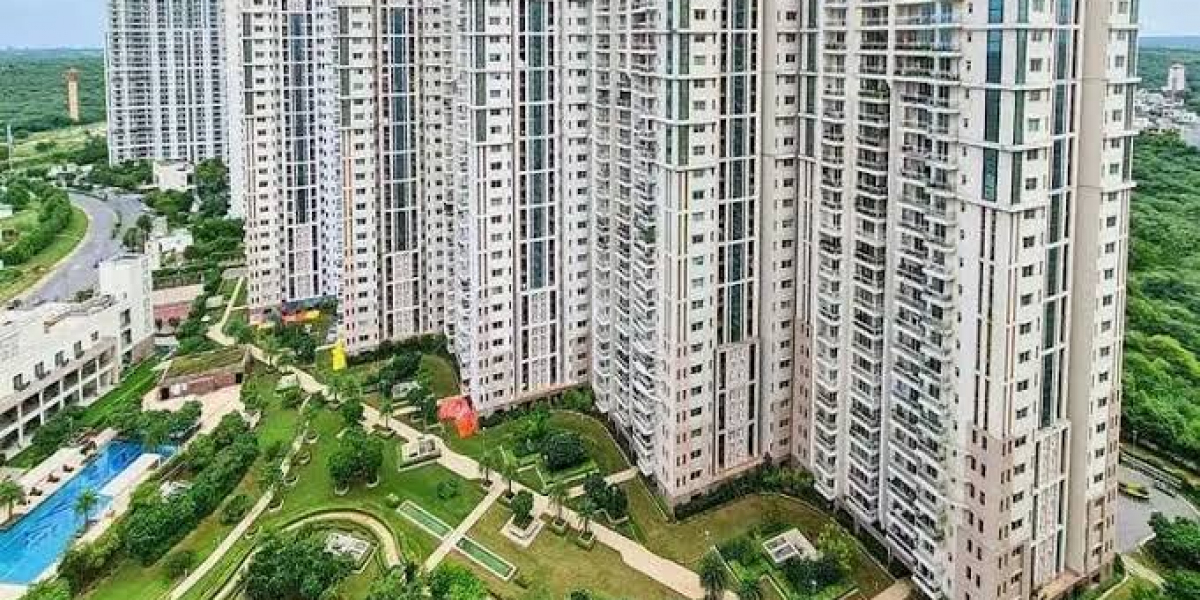 Mastering the Asset: Technical Infrastructure, Micro-Market Value, and Structural Layouts at DLF Park Place
This deep dive focuses on the granular technical infrastructure, exact structural layouts, and macro-economic factors that explain why this specific project maintains a massive edge over its competition in 2026.
-
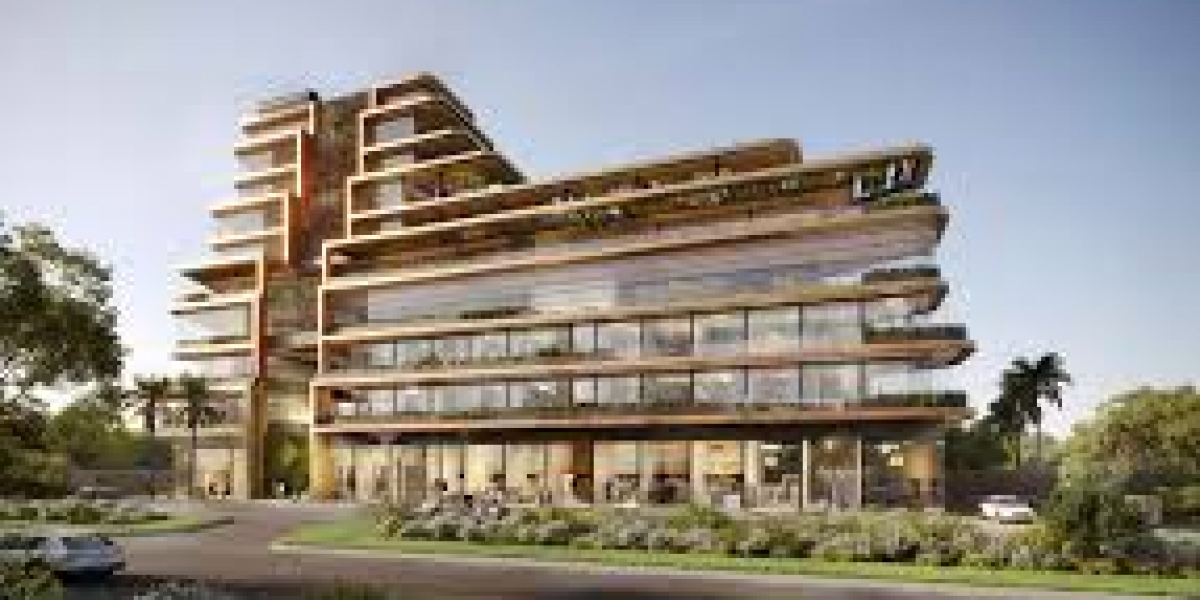 Brand Identity and Tenant Experience: Cultivating Loyalty at Elan Empire Gurgaon
Securing high occupancy in a premium high-street asset is only half the battle. For long-term viability, property management and individual investors must shift their focus to building tenant loyalty and creating a distinctive brand identity.
-
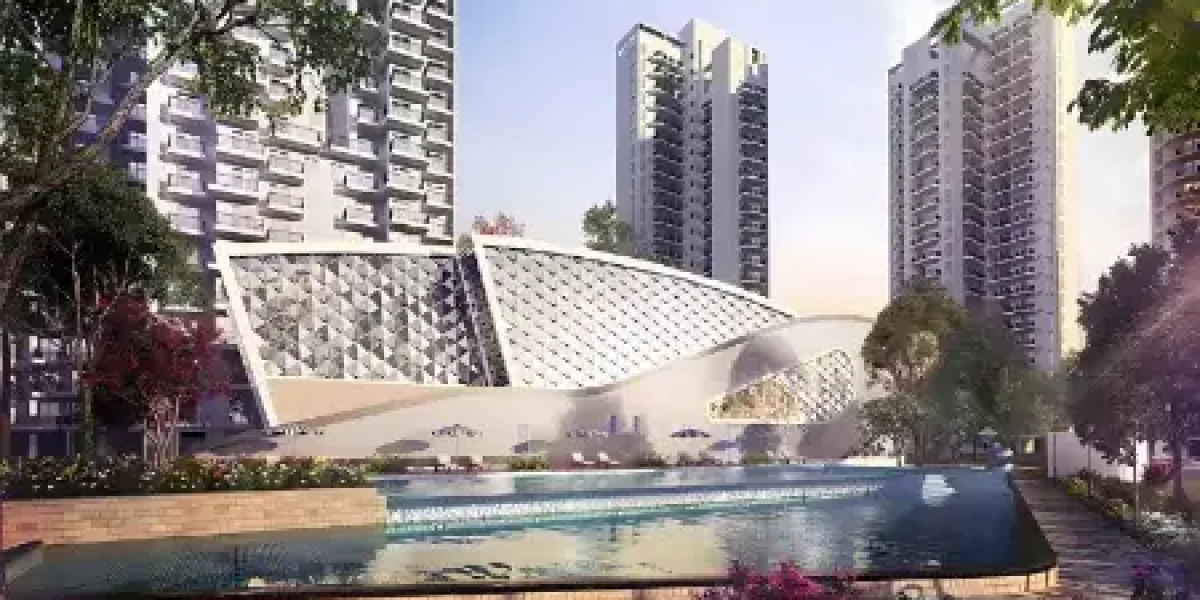 Master Review: Evaluating Godrej Nature Plus, Sector 33, Gurgaon
The layout uses a smart structural pattern where towers are angled away from each other. This creates a staggered footprint that gives corner apartments clear, unblocked views of the Aravalli foothills while ensuring optimal morning and afternoon sunlight. Inside the towers, the floor plan
-
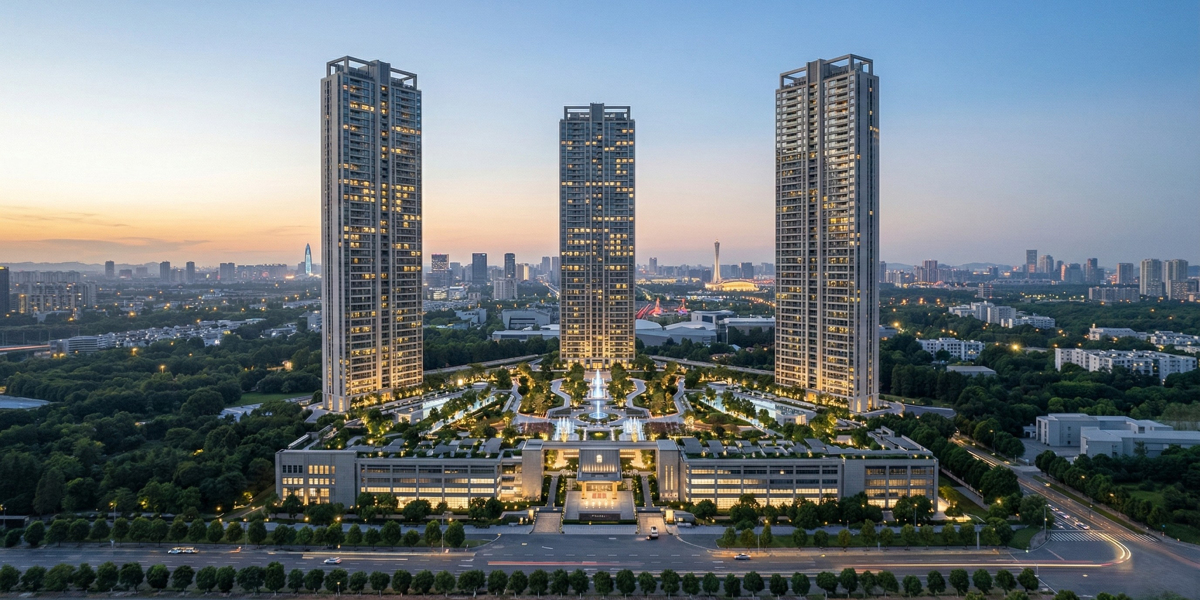 BPTP Downtown 66: A Masterpiece of Vertical Luxury in Sector 66
BPTP Downtown 66 has emerged as one of the most anticipated high-rise developments on the Golf Course Extension Road. Designed by the globally acclaimed architectural firm Aedas, this project is not just a residential complex but a vertical ecosystem where luxury meets functionality.
-
 Aesthetic Clinic in Australia | Beauty Clinic in Carolina | PM Aesthetics
Discover a trusted aesthetic clinic in Australia and a professional beauty clinic in Carolina. PM Aesthetics offers advanced skincare, cosmetic treatments, and personalized beauty solutions.
-
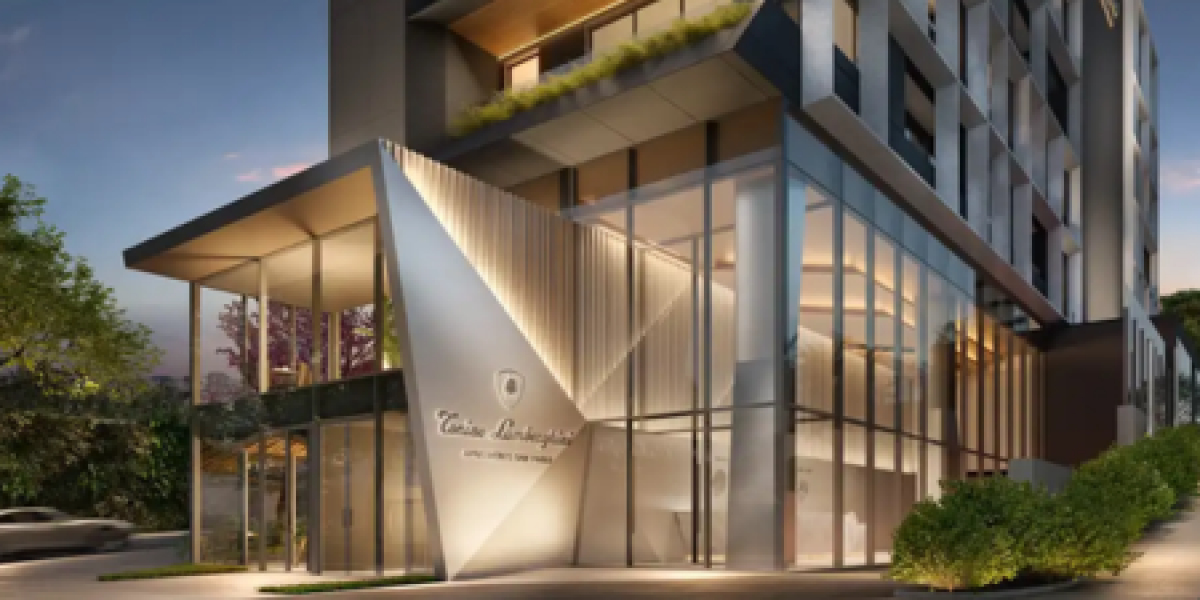 The Masterful Synergy at Signature Global Tonino Lamborghini
Signature Global Tonino Lamborghini Residences represents a ₹2,890 crore synergy of Italian supercar aesthetics and Indian engineering excellence in Sector 71.
-
 Sidewalk Repair NYC: A Complete Guide for Property Owners
Sidewalks in New York City endure constant wear and tear due to heavy foot traffic, extreme weather conditions, and tree root growth. Over time, cracks, uneven surfaces, and potholes can develop. These issues not only create an unpleasant appearance but also pose serious safety hazards for
-
 Why Natural Stone Wall Panels Are Becoming the First Choice for Modern Interiors
Discover why natural stone wall panels are becoming a top choice for modern interiors and exteriors. Learn about their durability, aesthetic appeal, and versatile applications for residential and commercial spaces.


