- Software engineers are adapting by honing fundamental skills and acquiring new competencies.
- The profession's future is uncertain as AI changes traditional coding roles.
- Engineers are seeking collective action to protect their interests amid industry disruption.
Adapting to a New Era of Coding
Every weekday, Matt, a software engineer based in Pawling, New York, spends four hours on his train commute. This time is sacred for him, as he dedicates it to maintaining his coding skills through the development of a browser-based video game. 'I am actively trying to keep my axe sharp,' said Matt, who prefers anonymity to protect his employment.
The Shift in Job Roles

For many like Matt, software engineering has traditionally been synonymous with high salaries and stability, often exceeding $200,000 annually. However, the advent of artificial intelligence (AI) is dramatically altering the landscape. Matt’s recent experience illustrates how his job has increasingly shifted towards reviewing code generated by AI rather than writing it himself. 'I am trying not to leverage AI where I can,' he adds.
Industry Disruption and Uncertainty
The impact of AI on software engineering is profound, with layoffs and underemployment becoming common occurrences. According to Layoff.fyi, over 600,000 US tech workers have lost their jobs since the release of OpenAI’s ChatGPT in 2022. Additionally, data from the New York Fed shows that unemployment rates for computer science graduates increased to 7%, up from 6.1% the previous year. This trend is mirrored globally; over half a billion people worldwide work as developers, according to SlashData.
Collective Action and Future Outlook
In response to these challenges, software engineers are forming groups to advocate for better protections and support. Kaitlin Cort, who has eight years of experience in the field, quit her job after realizing that AI was outpacing her skill development. 'I can see that the pace at which AI was getting better was faster than the pace at which I was getting better,' she explains.
Cort now focuses on starting a resource center for tech workers caught in this industry disruption. This initiative highlights the growing need for collective action among software engineers to navigate an uncertain future where traditional coding skills may be less valuable, but understanding and validating AI-generated code is becoming increasingly important.
Source: The Guardian

Technology News Feed
143 posts
-
 Giải pháp lắp đặt camera quay đóng hàng shopee
Trong những năm gần đây, Shopee đã trở thành một trong những sàn thương mại điện tử lớn nhất Việt Nam với hàng triệu đơn hàng được xử lý mỗi ngày. Song song với sự tăng trưởng đó là áp lực trong việc quản lý quy trình đ
-
 Cách bảo quản và cất giữ Hioki 3280-70F để không bao giờ bị chảy pin
Xin chào quý bạn đọc! Có một khắc tinh thầm lặng mà rất nhiều anh em kỹ sư lẫn người dùng gia đình thường xuyên gặp phải, đó chính là tình trạng chảy pin. Hãy theo dõi hết bài viết này để biết thêm chi tiết nhé!
-
 Có nên lắp phun sương cho dàn nóng điều hòa?
Lắp phun sương cho dàn nóng điều hòa có hiệu quả không và có ảnh hưởng đến độ bền của điều hòa nói chung.
-
 Mẹo giặt sạch giày bằng máy giặt
Máy giặt có thể làm sạch một số loại giày nhưng cần chọn chế độ phù hợp như sử dụng nước lạnh, kết hợp khăn lau để tăng độ bền cho giày.
-
 Xác tàu ngầm hạt nhân rò rỉ phóng xạ dưới đáy biển Na Uy
Nghiên cứu mới cho thấy, tàu K-278 Komsomolets đắm 37 năm trước đang thải ra vật liệu phóng xạ vào vùng nước sâu dưới đáy biển Na Uy.
-
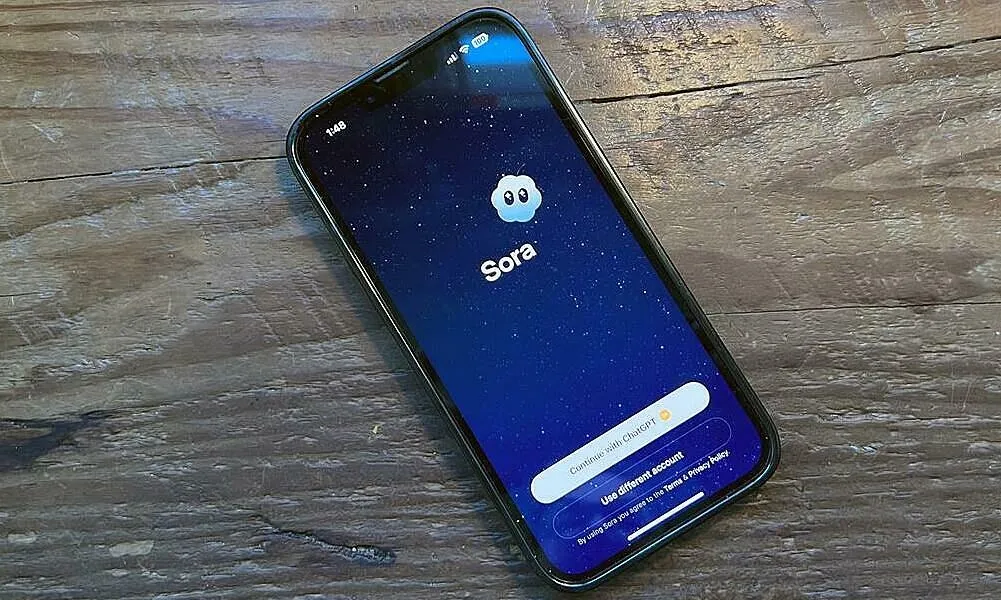 Lý do thúc đẩy OpenAI đóng cửa Sora
Chi phí cao và nhiều đối thủ cạnh tranh được cho là lý do khiến OpenAI quyết định đóng cửa ứng dụng video Sora.
-
 Năng lượng rẻ - 'át chủ bài' của Trung Quốc trong cuộc đua siêu AI
Trung Quốc được đánh giá đang nắm lợi thế lớn trong cuộc đua AI nhờ nguồn năng lượng dồi dào, đa dạng và giá rẻ.
-
 DXB APPS offers best App Development Dubai solutions by expert developers
DXB APPS offers advanced app development Dubai services that revolutionize businesses with cutting-edge digital technology. Our mobile app developers design feature-packed, scalable apps that achieve customer satisfaction and business expansion. Partner with DXB APPS, one of the best app d
-
 Hire Expert App Development Dubai experts for Cutting-Edge App Solutions at DXB APPS
Looking to find the best fitting app development Dubai solutions? DXB APPS is one of the leading mobile application development companies that offer unique Android applications, iOS applications, hybrid applications, and cross-platform applications. Our quality, secure and easy to use appl
-
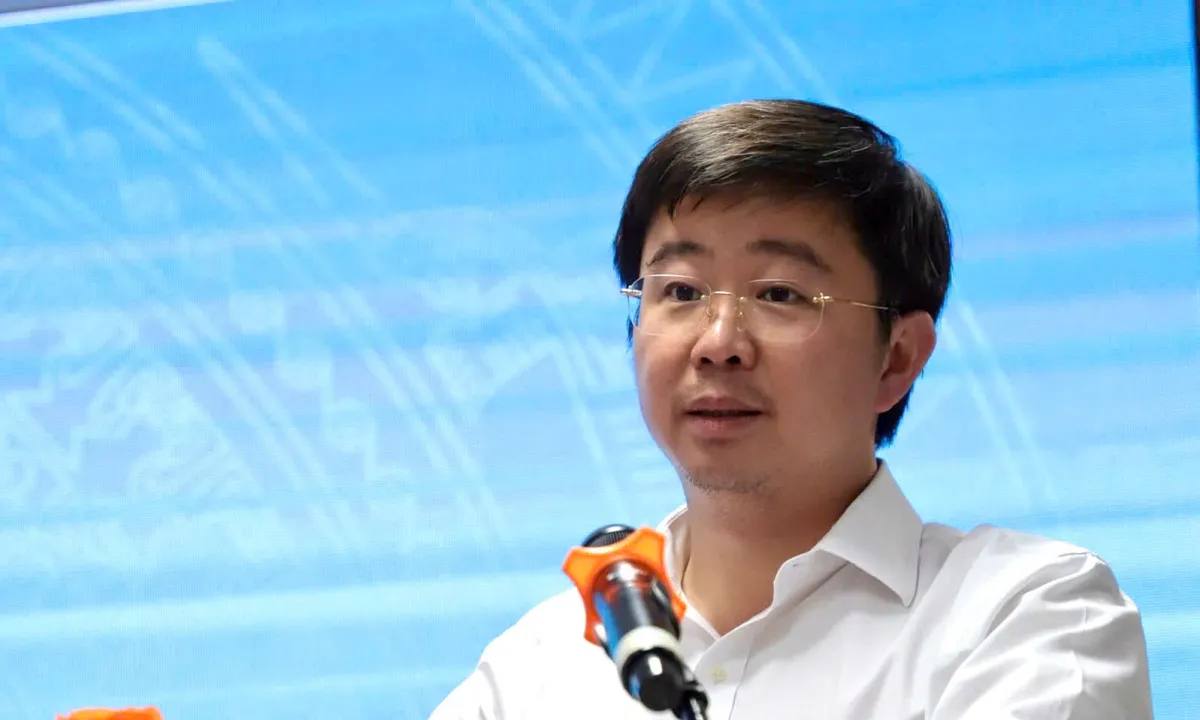 'Lựa chọn công trình khoa học xứng đáng dự Giải thưởng Hồ Chí Minh'
Thứ trưởng Bùi Hoàng Phương đề nghị các cơ quan, đơn vị lựa công trình xứng đáng tham gia Giải thưởng Hồ Chí Minh, Giải thưởng Nhà nước về khoa học, công nghệ lần thứ 7.
-
 DXB APPS offers best App Development Dubai solutions by expert developers
DXB APPS offers advanced app development Dubai services that revolutionize businesses with cutting-edge digital technology. Our mobile app developers design feature-packed, scalable apps that achieve customer satisfaction and business expansion. Partner with DXB APPS, one of the best app d


