The global reciprocating pump market is experiencing significant growth in water treatment facilities, driven by increasing urbanization, industrialization, and stricter water quality regulations. Reciprocating pumps are preferred for their ability to handle high-pressure, low-flow applications with precision, reliability, and efficiency.
Drivers of Market Expansion
1. Growing Urbanization

Rapid population growth leads to increased water consumption and wastewater generation. Municipalities are investing in advanced water treatment infrastructure, creating demand for high-performance reciprocating pumps capable of handling diverse fluid types.
2. Regulatory Compliance
Stringent environmental standards and regulations necessitate accurate chemical dosing, sludge transfer, and effluent management. Reciprocating pumps help water treatment facilities maintain compliance by ensuring precise fluid handling.
3. Industrial Wastewater Treatment
Industries such as chemical, pharmaceutical, and food & beverage generate wastewater requiring specialized pumping solutions. Reciprocating pumps efficiently manage corrosive, viscous, or abrasive fluids, supporting industrial compliance and environmental protection.
4. Technological Advancements
Smart pumping systems, IoT integration, and predictive maintenance tools enhance pump performance, reduce downtime, and optimize energy consumption in water treatment operations.
Applications in Water Treatment Facilities
- Sludge Handling: Piston and diaphragm pumps manage thick sludge and high solids content efficiently.
- Chemical Dosing: Reciprocating pumps ensure precise dosing of coagulants, disinfectants, and pH adjusters.
- Effluent Transfer: Pumps transfer treated water to disposal or reuse systems safely.
- Harsh Conditions: Corrosion-resistant materials enable pumps to operate effectively with aggressive chemicals and varying pH levels.
Regional Growth Opportunities
- Asia-Pacific: Rapid urbanization and industrial development in China, India, and Southeast Asia drive investment in water treatment infrastructure.
- North America & Europe: Aging water systems and environmental regulations are boosting demand for modern reciprocating pump solutions.
- Middle East & Africa: Water scarcity and desalination projects require reliable, high-capacity pumps.
- Latin America: Growing industrial activity and urban wastewater projects contribute to market expansion.
Strategic Insights
- Energy-Efficient Solutions: Pumps with optimized energy consumption and variable speed drives are in high demand.
- Smart Pumping Systems: Integration with sensors and automated monitoring ensures consistent operation and maintenance planning.
- Durable Materials: Advanced materials like stainless steel and alloys increase longevity in challenging water treatment environments.
- Service & Maintenance: Maintenance contracts and rapid support services enhance reliability and customer confidence.
Conclusion
Water treatment facilities present significant growth opportunities for the reciprocating pump market. With rising urbanization, industrial wastewater challenges, and stringent regulatory standards, manufacturers focusing on energy-efficient, durable, and smart reciprocating pumps are poised to capitalize on increasing global demand.

Aradhana Nair
41 posts
-
 Redefining Ultra-Luxury: A Deep Dive into Whiteland Westin Residences, Sector 103, Gurgaon
In the heart of the rapidly evolving Dwarka Expressway corridor, a new benchmark for premium living has emerged. Whiteland Westin Residences, located in Sector 103, Gurgaon, isn't just a residential project—it is a landmark collaboration that brings the world-renowned hospitality o
-
 Green Engineering and Health Optimization at Whiteland The Aspen
To address this, Whiteland Corporation integrated specialized CTMA3 Air Purification technology into the core building systems. This central air infrastructure works continuously to treat, filter, and circulate air throughout enclosed common areas, double-height entrance lobbies, and tower
-
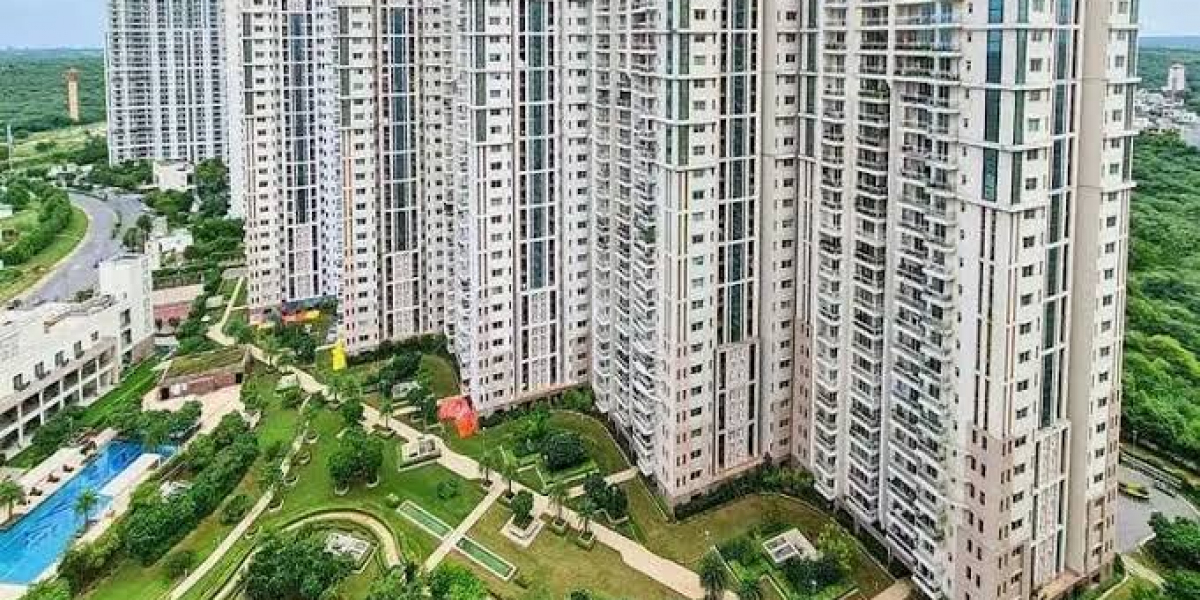 Mastering the Asset: Technical Infrastructure, Micro-Market Value, and Structural Layouts at DLF Park Place
This deep dive focuses on the granular technical infrastructure, exact structural layouts, and macro-economic factors that explain why this specific project maintains a massive edge over its competition in 2026.
-
 Brand Identity and Tenant Experience: Cultivating Loyalty at Elan Empire Gurgaon
Securing high occupancy in a premium high-street asset is only half the battle. For long-term viability, property management and individual investors must shift their focus to building tenant loyalty and creating a distinctive brand identity.
-
 Master Review: Evaluating Godrej Nature Plus, Sector 33, Gurgaon
The layout uses a smart structural pattern where towers are angled away from each other. This creates a staggered footprint that gives corner apartments clear, unblocked views of the Aravalli foothills while ensuring optimal morning and afternoon sunlight. Inside the towers, the floor plan
-
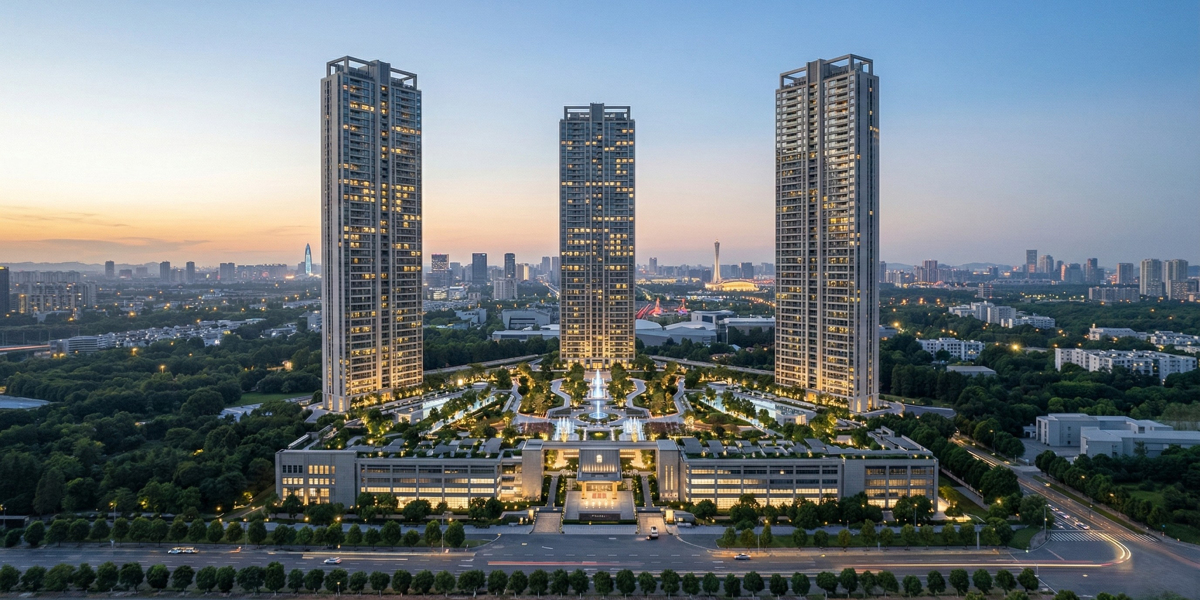 BPTP Downtown 66: A Masterpiece of Vertical Luxury in Sector 66
BPTP Downtown 66 has emerged as one of the most anticipated high-rise developments on the Golf Course Extension Road. Designed by the globally acclaimed architectural firm Aedas, this project is not just a residential complex but a vertical ecosystem where luxury meets functionality.
-
 Aesthetic Clinic in Australia | Beauty Clinic in Carolina | PM Aesthetics
Discover a trusted aesthetic clinic in Australia and a professional beauty clinic in Carolina. PM Aesthetics offers advanced skincare, cosmetic treatments, and personalized beauty solutions.
-
 The Masterful Synergy at Signature Global Tonino Lamborghini
Signature Global Tonino Lamborghini Residences represents a ₹2,890 crore synergy of Italian supercar aesthetics and Indian engineering excellence in Sector 71.
-
 Sidewalk Repair NYC: A Complete Guide for Property Owners
Sidewalks in New York City endure constant wear and tear due to heavy foot traffic, extreme weather conditions, and tree root growth. Over time, cracks, uneven surfaces, and potholes can develop. These issues not only create an unpleasant appearance but also pose serious safety hazards for
-
 Why Natural Stone Wall Panels Are Becoming the First Choice for Modern Interiors
Discover why natural stone wall panels are becoming a top choice for modern interiors and exteriors. Learn about their durability, aesthetic appeal, and versatile applications for residential and commercial spaces.
-
 Chemical Supplier for Industrial in UAE: Reliable Solutions for Modern Industries
Find a reliable chemical supplier for industrial in UAE offering high-quality products, consistent supply, and tailored solutions for manufacturing, oil & gas, construction, and water treatment industries.


