In the fast-paced world of trading, investors are no longer confined to a single exchange. The ability to trade seamlessly across multiple exchanges such as NSE, BSE, MCX, and NCDEX allows traders to diversify their portfolios, hedge risks, and explore better opportunities. While multi-exchange trading unlocks immense potential, it also brings the challenge of managing costs effectively. That’s why understanding the lowest brokerage charges in India becomes essential for traders who seek maximum profit with minimal expense.
What is Multi-Exchange Trading?
Multi-exchange trading means having the flexibility to buy and sell financial instruments—like equities, derivatives, commodities, and currencies—across different exchanges using a single trading platform. This approach enables traders to access more markets, better liquidity, and broader product offerings.
For example, a trader might invest in equities on NSE, hedge with derivatives on BSE, and trade commodities on MCX—all through one unified interface. This diversification ensures stability and provides multiple revenue channels without switching between different brokers.
Importance of Brokerage Charges in Multi-Exchange Trading
Every trader understands that brokerage fees directly impact net profits. Whether you trade daily or occasionally, brokerage costs can eat into your returns. In multi-exchange trading, where multiple instruments and trades occur across markets, keeping these charges minimal becomes even more crucial.
Low brokerage charges provide these advantages:
Improved Profit Margins: Lower transaction costs mean higher take-home profits.
Frequent Trading Flexibility: Encourages active trading without worrying about high costs.
Better Capital Utilization: More funds remain available for reinvestment.
Scalability: Allows traders to expand into multiple segments cost-effectively.
Hence, identifying brokers that offer the lowest brokerage charges in India while maintaining service quality is a key step toward successful trading.
Key Factors That Influence Brokerage Costs
Before choosing a broker, it’s important to understand what drives brokerage expenses.
1. Type of Brokerage Plan
Brokers offer either flat-fee or percentage-based plans. Discount brokers typically charge a flat fee per order, regardless of trade size, which benefits high-volume traders.
2. Exchange Participation
Some brokers levy additional charges for trading on multiple exchanges, while others provide unified pricing models that cover all segments under one plan.
3. Segment-Based Fees
Brokerage varies across segments—equity delivery, intraday, futures, options, or commodities—so traders must review the fee structure carefully for each exchange.
4. Technology and Platform Costs

Advanced tools and analytics often come with a subscription or platform fee, though many brokers now include them free to attract active traders.
5. Hidden and Ancillary Charges
Always consider other charges like call-and-trade fees, DP charges, GST, and SEBI turnover fees before calculating total trading costs.
How to Choose the Right Broker for Multi-Exchange Trading
The best broker for multi-exchange trading should offer cost efficiency, platform reliability, and seamless integration across markets. Here’s what to look for:
Unified Dashboard: A single account to trade equities, commodities, and currencies.
Real-Time Data Access: Instant price updates across all exchanges.
Advanced Charting Tools: Built-in analytics for market comparison.
Low or Zero Brokerage Plans: For both intraday and delivery trades.
Responsive Customer Support: For issue resolution across exchange segments.
These qualities help ensure consistent performance, especially when managing trades across multiple asset classes simultaneously.
Top Brokers Offering Lowest Brokerage Charges in India for Multi-Exchange
1. Zerodha
Zerodha has redefined low-cost trading with its flat ₹20 per trade structure across all segments. It provides access to NSE, BSE, and MCX through a unified Kite platform integrated with ChartIQ and TradingView.
2. Upstox
Upstox is known for its fast execution and minimal brokerage rates, charging ₹20 per order or 0.05% (whichever is lower). It supports multi-exchange trading and delivers advanced charting tools ideal for technical traders.
3. Angel One
Angel One combines affordable pricing with a powerful research-backed platform. It offers zero brokerage on equity delivery and nominal charges on F&O and commodity trades.
4. Dhan
Dhan’s platform integrates NSE, BSE, and MCX, offering ultra-low brokerage with high-end features like custom strategies, TradingView charts, and seamless order execution.
5. 5paisa
A popular choice among active traders, 5paisa provides plans starting at ₹10 per order, allowing cost-efficient trading across all leading Indian exchanges with a single account.
6. Groww
Initially known for mutual funds, Groww has evolved into a multi-exchange platform offering simple pricing and a clean interface suitable for both beginners and active traders.
7. Fyers
Fyers Markets offers high-speed trading and deep analytical insights. Its multi-exchange connectivity with TradingView integration helps traders manage multiple markets effortlessly.
Benefits of Multi-Exchange Trading for Professionals
Professionals benefit the most from having access to multiple exchanges due to the diversity of opportunities it offers.
Diversification: Reduces dependence on one asset class or market segment.
Better Liquidity: Enables trading in the most active markets for tighter spreads.
Risk Management: Traders can hedge positions across exchanges for better protection.
Opportunity Maximization: Quickly shift between markets responding to trends or volatility.
With advanced trading apps, professionals can monitor real-time data from all exchanges simultaneously, ensuring no opportunity slips by.
Technology’s Role in Enabling Multi-Exchange Access
Modern technology has made it possible for traders to access multiple exchanges from one interface. Artificial intelligence, algorithmic trading, and advanced APIs are now integrated into top trading platforms.
Key technological benefits include:
Instant Order Execution: Millisecond trade speed across exchanges.
Data Synchronization: Real-time updates ensure transparency and consistency.
Smart Order Routing: Automatically routes trades to the best available exchange for optimal price discovery.
Cloud-Based Access: Trade seamlessly from any device, anywhere.
These innovations empower traders to manage multiple strategies and markets efficiently without needing multiple brokers.
How to Minimize Trading Costs Further
Even with a low-cost broker, you can further optimize your expenses by:
Opting for Annual Subscription Plans: Some brokers offer discounted annual brokerage models.
Avoiding Unnecessary Trades: Trade strategically instead of frequently to limit costs.
Using Margin Wisely: Leverage can amplify both profits and costs—use it carefully.
Keeping an Eye on Hidden Fees: Always review your contract notes to identify non-brokerage expenses.
A disciplined approach to managing costs can significantly improve overall profitability, especially in multi-exchange trading setups.
The Future of Multi-Exchange Trading in India
India’s trading ecosystem is evolving rapidly, supported by technological advancements and growing investor participation. The integration of equity, commodity, and currency markets is leading to unified platforms that support all asset classes.
In the coming years, expect more brokers to offer:
AI-driven trade recommendations
Automated portfolio balancing tools
Faster trade execution infrastructure
Cross-segment performance analytics
As regulatory frameworks modernize, multi-exchange trading will become even more accessible and transparent.
Final Thoughts
For traders navigating multiple exchanges, affordability and technology are equally important. Choosing a platform that ensures both can dramatically enhance your trading efficiency. The lowest brokerage charges in India not only help reduce costs but also empower you to participate across multiple markets without hesitation.
Equally, identifying the best trading app in India that supports multi-exchange trading ensures you benefit from real-time data access, fast execution, and user-friendly analytics. Together, these two factors—cost efficiency and technological excellence—form the backbone of successful modern trading, enabling both professionals and retail investors to thrive in India’s ever-evolving financial landscape.

TheBestStockBroker
6 posts
-
 Nike 'phủ sóng' World Cup với chiến dịch Rip the Script
Bài viết phân tích cách Nike sử dụng chiến lược marketing táo bạo để thu hút sự chú ý trong dịp World Cup 2026, mặc dù hãng không phải là đối tác chính thức của FIFA.
-
 Weight-Loss Jabs Driving Shift in Consumer Spending
BBC examines how weight-loss jabs are influencing consumers' shopping habits, with people buying more non-food products.
-
 DatVietVAC sắp IPO với định giá hơn 230 triệu USD: Mục tiêu tăng trưởng 15%/năm trong 5 năm tới
DatVietVAC chuẩn bị phát hành cổ phiếu lần đầu ra công chúng với định giá trị thị trường vượt 230 triệu USD, hướng tới mục tiêu tăng trưởng mạnh trong giai đoạn 2026-2030.
-
 UK Treasury Lacks Plan for Nato Defense Spending Target
UK Treasury admits it has not conducted a detailed analysis on funding an increase in defense spending required for the country to meet its Nato 3.5% of GDP target.
-
 Regulator Criticizes Virgin Media for Mishandling Customer Calls
Virgin Media faces scrutiny from regulators for mishandling customer calls over several years.
-
 Trung Quốc nới hạn chế xuất khẩu nhiên liệu: Diễn biến mới nhất
VnExpress đưa tin về động thái nới hạn chế xuất khẩu nhiên liệu của Trung Quốc, ảnh hưởng đến thị trường trong khu vực.
-
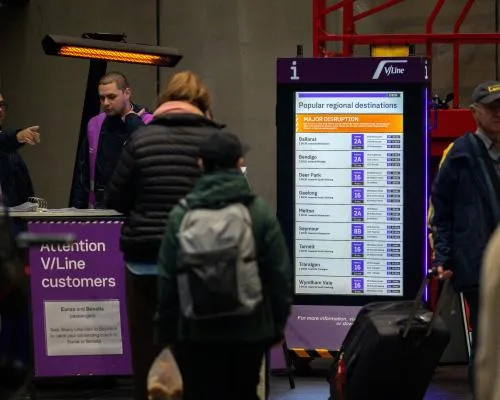 Telstra Outage Disrupts Services Across Australia
A major outage impacting Telstra's network caused widespread disruptions across Australia, including mobile services and emergency calls.
-
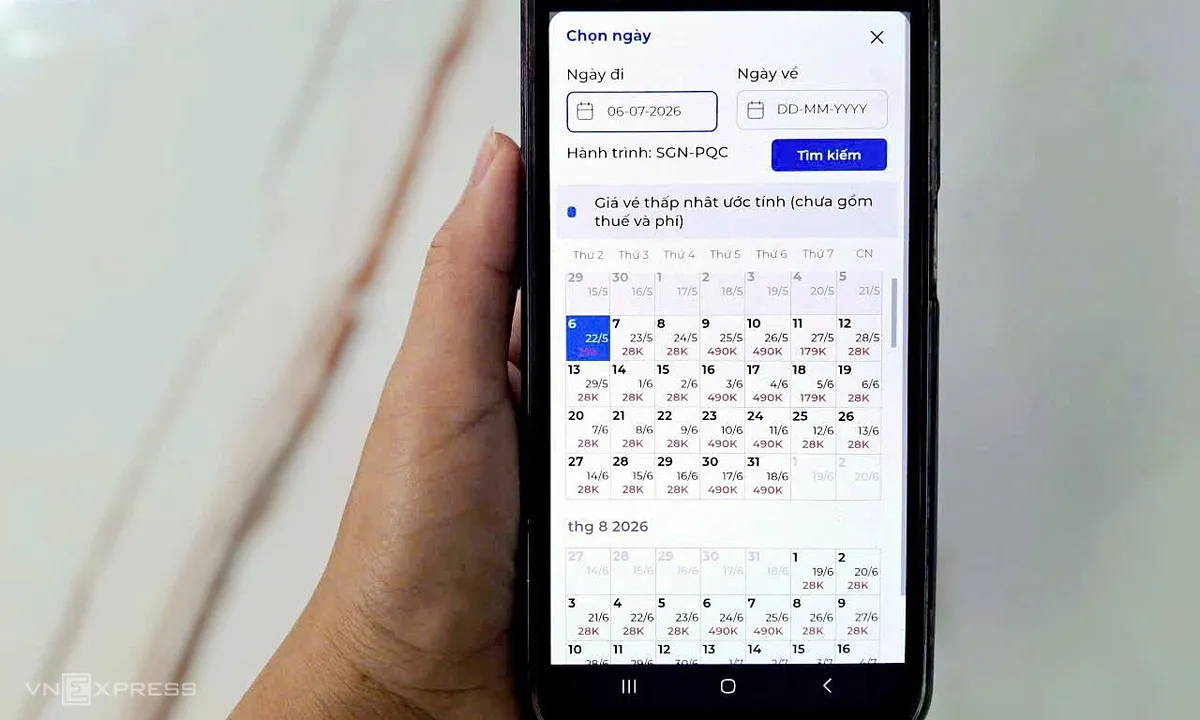 Hàng không đua giảm giá vé hè chỉ từ 28.000 đồng
Dựa trên khảo sát của VnExpress, nhiều hãng hàng không đã tung ra vé máy bay nội địa với mức giá chỉ vài chục nghìn đồng để kích cầu. Điều này có thể tạo nên sự thay đổi lớn trong hành trình du lịch hè của người dân.
-
 Chuyên gia: Doanh nghiệp nhỏ vẫn chủ yếu dùng mạng xã hội trong chuyển đổi số
Báo cáo từ hội thảo về thúc đẩy ứng dụng công nghệ số cho thấy chuyển đổi số trong doanh nghiệp nhỏ ở Việt Nam mới chỉ dừng lại ở mức 'phần ngọn', với tập trung chủ yếu vào mạng xã hội, còn nhiều vấn đ?
-
 UK Housing Market Shows Signs of Recovery; FTSE Shares and Oil Prices React
UK house prices show a slight recovery in June, while FTSE All-Share performances and oil prices react to global events.
-
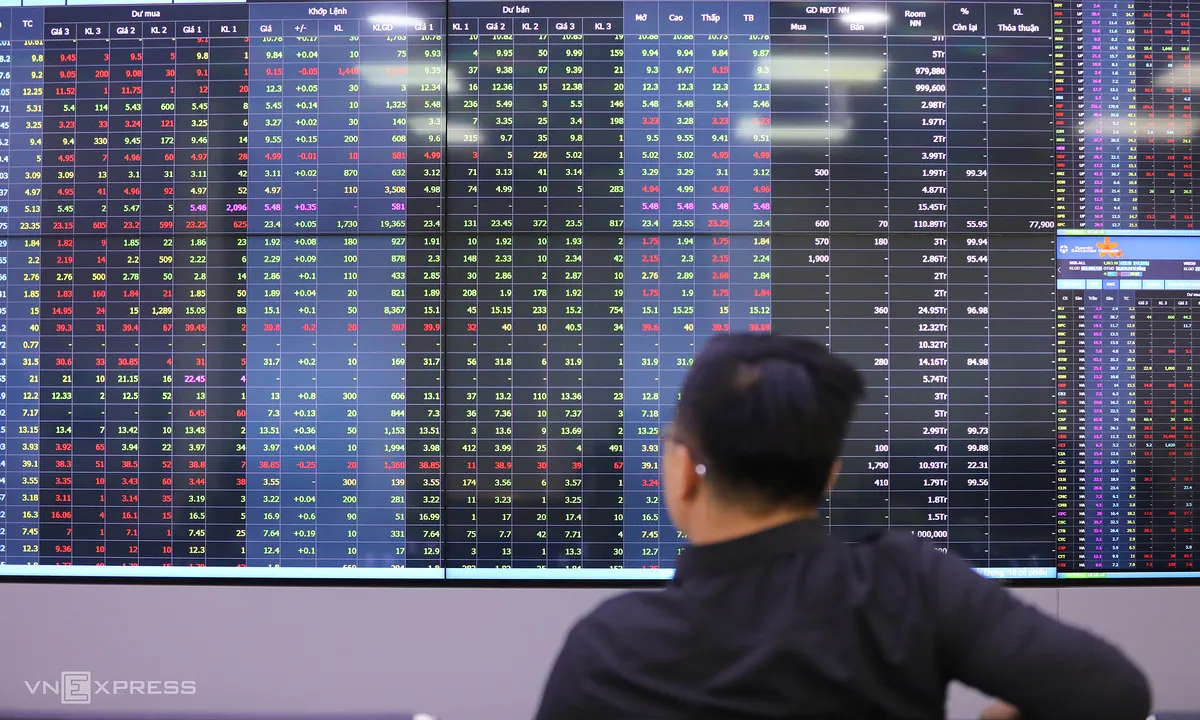 85% doanh nghiệp môi giới chứng khoán cạnh tranh 'miếng bánh' chia nhỏ
Thị trường môi giới chứng khoán TP HCM đang chia nhỏ hơn bao giờ hết, với doanh nghiệp đầu ngành mất đi gần 3 điểm phần trăm. SSI và VPBankS có động thái đáng chú ý trong quý II.


