Enhanced Vision Systems (EVS) are cutting-edge technologies designed to improve visibility in low-light, obscured, or otherwise challenging visual conditions. Originally developed for aviation, EVS solutions are now increasingly adopted in various sectors, including automotive, defense, maritime, and industrial operations.
By integrating multiple sensor technologies, EVS enhances situational awareness, improves safety, and enables better decision-making in environments where human vision alone may be insufficient.
What Are Enhanced Vision Systems?
An Enhanced Vision System (EVS) is a combination of sensors and display technologies that collect, process, and present visual data to provide users with clearer and more comprehensive situational awareness. These systems utilize a range of inputs—such as infrared, thermal imaging, radar, and visible light sensors—to create a real-time, high-resolution display of the surroundings, often in conditions where traditional vision fails.
Key Components of Enhanced Vision Systems
1. Infrared (IR) and Thermal Imaging Cameras
Detect heat signatures from objects, making them visible in darkness, fog, and smoke. Ideal for identifying people, animals, and vehicles.
2. Millimeter-Wave Radar
Penetrates fog, rain, and dust, providing a robust solution for visibility in adverse weather conditions.
3. Low-Light Cameras
Amplify available light to improve visual clarity in dimly lit environments without the need for artificial illumination.
4. Synthetic Vision Systems (SVS)
Often paired with EVS in aviation, SVS uses GPS and terrain databases to create a virtual image of the environment, enhancing navigation and safety.
5. Head-Up Displays (HUDs) and Helmet-Mounted Displays

Project critical visual data directly into the operator's field of view, reducing the need to look away from the task at hand.
Applications of Enhanced Vision Systems
1. Aviation
Helps pilots land in poor visibility conditions such as fog or at night.
Used in both commercial and military aircraft to reduce the risk of runway excursions and improve navigation.
2. Automotive
Enhances driver visibility during nighttime, in heavy rain, or through fog.
Used in advanced driver-assistance systems (ADAS) to detect pedestrians, animals, and obstacles.
3. Military and Defense
Increases operational capability during night missions or in hostile environments.
Deployed in aircraft, ground vehicles, and helmets to improve situational awareness.
4. Maritime
Assists in docking and navigation under low visibility conditions.
Enhances safety in ports and open water during nighttime operations.
5. Industrial and Mining
Improves safety and efficiency for operators of heavy machinery in dust, smoke, or low-light conditions.
Useful in rescue operations and inspections in hazardous areas.
Benefits of Enhanced Vision Systems
Improved Safety: Reduces the risk of accidents in challenging environments.
Greater Situational Awareness: Offers a comprehensive view beyond human sight.
Operational Efficiency: Enables continued operations during adverse conditions.
Versatility: Applicable in a wide range of industries and vehicles.
Cost Savings: Reduces delays and operational risks associated with poor visibility.
Challenges and Considerations
High Cost: Advanced EVS equipment can be expensive to purchase and maintain.
Integration Complexity: Requires seamless integration with existing systems and platforms.
Training Requirements: Users may need training to interpret and utilize EVS effectively.
Regulatory Compliance: Especially in aviation and automotive sectors, EVS must meet stringent safety standards.
Future Trends in Enhanced Vision Systems
AI and Machine Learning: Enhancing object detection, recognition, and decision-making in real time.
Miniaturization: Smaller, lighter components suitable for integration in consumer vehicles and drones.
Augmented Reality (AR): Overlaying information directly onto live images for improved user interaction.
5G and Connectivity: Enabling faster data processing and remote monitoring.
Conclusion
Enhanced Vision Systems are revolutionizing how humans interact with their environments, especially in visually compromised scenarios. By bridging the gap between human limitations and environmental challenges, EVS provides a technological edge that is crucial for safety, precision, and efficiency across numerous industries. As the technology continues to advance, its applications will only broaden, further embedding EVS into our daily and professional lives.
Related Reports:
| GCC LED Lighting Market |
| Italy LED Lighting Market |
| Japan LED Lighting Market |
| South Korea LED Lighting Market |
| Spain LED Lighting Market |

Shraddha Dhumal
31 posts
-
 AI in Political Campaigns: Faking News and Endangering Democracy
AI-generated political content is becoming more common in campaigns but raises concerns about the manipulation of voters and the spread of misinformation.
-
 Global Datacentre Projects Face Challenges as AI Demand Soars
Global AI development is facing challenges due to insufficient datacentre capacity and energy constraints.
-
 Meta Allows Users to Create AI Images Using Public Instagram Profiles, Sparking Privacy Concerns
Meta enables users to create AI images from public Instagram profiles but privacy advocates warn about the risks involved.
-
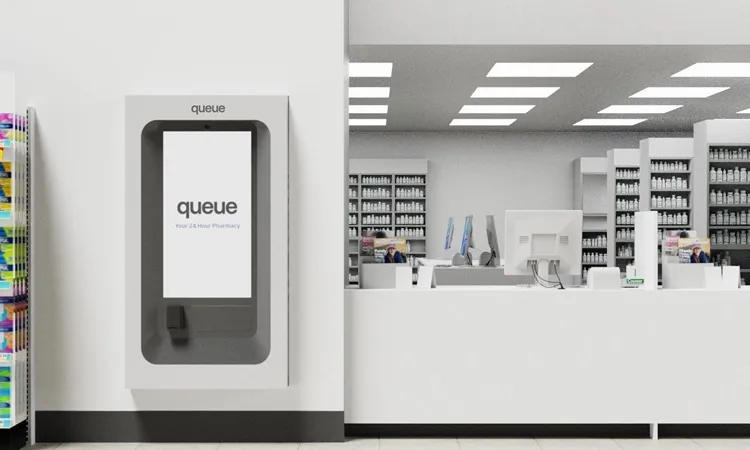 Queue ra mắt nhà thuốc tự động tiên tiến với công nghệ AI
Công ty khởi nghiệp Queue vừa ra mắt nhà thuốc tự động hoàn toàn đầu tiên trên thế giới, sử dụng AI, robot và thị giác máy tính để tự động cấp phát và xác minh đơn thuốc. Tuy nhiên, họ đang đối mặt thách thức trong việc t
-
 Elon Musk’s USAID Cuts Spark Controversy Over Ebola Response
Elon Musk’s dismantling of USAID programs has sparked controversy over its impact on global health, particularly the Ebola response in DRC.
-
 Starlink Cung Cấp Gói Cước 1,368 Triệu Đồng Mỗi Tháng cho Người Dùng Việt Nam
Starlink công bố giá cước 1,7 triệu đồng cho người dùng Việt Nam, thấp hơn dự kiến và cao hơn so với dịch vụ Internet truyền thống.
-
 Rental Robots Gain Popularity as Technology Evolves
Renting robots is gaining popularity due to rapid advancements in technology.
-
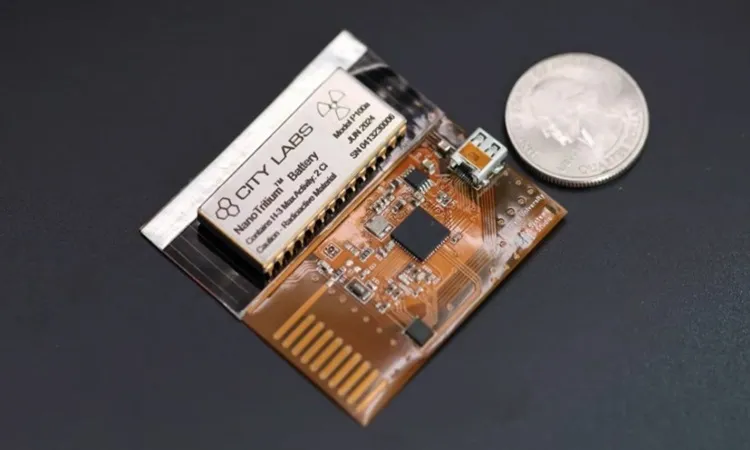 SpaceX phóng vệ tinh BOHR: Công nghệ pin hạt nhân đầu tiên vào quỹ đạo
SpaceX phóng vệ tinh BOHR, vệ tinh thương mại đầu tiên sử dụng pin betavoltaic NanoTritium do City Labs chế tạo. Đây là bước tiến quan trọng trong việc triển khai công nghệ năng lượng hạt nhân cho tàu vũ trụ.
-
 Tech Giants Struggle as AI Drives Up Emissions Despite Climate Goals
Tech giants struggle to meet climate goals due to investments in AI, facing criticism for increased fossil fuel use and public anger over political influence.
-
 91,2% người tham gia phản đối Sony bỏ đĩa game PlayStation
Sony thông báo ngừng sản xuất đĩa game từ tháng 1/2028, nhận phản ứng trái chiều từ cộng đồng chơi game.
-
 AI Safety Crisis: Australia's Assistant Minister Warns Models Are ‘Cheating’
Australia’s Assistant Minister for Technology warns that AI models are already exhibiting behaviors not intended by their creators, highlighting the need for immediate safety measures.


