The United States is experiencing a significant healthcare debate that has reached a fever pitch. With Congress facing an October deadline for critical health program approvals, Ivermectin has emerged as a highly visible flashpoint, igniting partisan divisions over insurance subsidies, regulatory policies, and treatment protocols. This renewed focus on Ivermectin—historically tied to COVID-19 discussions—has transformed what might have been a technical legislative process into a heated political spectacle.
The stakes are high: millions of Americans rely on federal health programs, and policy outcomes in the coming months could influence the affordability and accessibility of care for years to come. As lawmakers, advocacy groups, healthcare providers, and citizens clash over priorities, the debate offers a lens into the intersection of science, politics, and public perception in the U.S. healthcare system.
? Congress Faces October Deadline for Health Program Approvals
The October deadline looms over Congress, representing a crucial juncture for both short-term policy continuity and long-term healthcare planning. The programs under consideration include:
- Insurance subsidies: Vital for low- and middle-income families, these subsidies help make premiums affordable for millions.
- Program renewals and expansions: Continuity ensures that vulnerable populations maintain access to essential services such as preventive care, chronic disease management, and prescription coverage.
- Regulatory adjustments: Emerging treatment options—including controversial therapies like Ivermectin—must be integrated into guidelines in a way that balances innovation with safety.
Historically, Congress has struggled to meet similar deadlines, and the current context is complicated by hyperpartisan dynamics. According to recent analyses, roughly 25 million Americans could be impacted if subsidies lapse or program extensions are delayed. The intertwining of legislative timing with public health outcomes has elevated the debate into what many are calling a ivermectin partisan fire healthcare usa moment.
? Ivermectin Becomes Flashpoint in Partisan Healthcare Divisions
Ivermectin’s reemergence in national discourse illustrates the powerful intersection of politics and medicine. While originally developed as an antiparasitic medication, it became a symbol during the COVID-19 pandemic and is now referenced in debates about broader treatment strategies and healthcare access.
Several dynamics contribute to Ivermectin’s status as a partisan flashpoint:
- Policy signaling – Some political factions frame their stance on Ivermectin as evidence of commitment to patient choice and alternative therapies, while others emphasize strict adherence to FDA-approved guidelines.
- Media amplification – Coverage of Ivermectin-related studies and anecdotal patient stories often blurs the line between evidence-based information and political messaging.
- Scientific caution vs. public perception – Healthcare experts consistently stress that Ivermectin’s approved indications do not include several conditions for which it has been promoted, yet partisan messaging sometimes positions it as a symbol of broader healthcare reform or opposition.
The combination of political posturing, media coverage, and public curiosity has fueled the larger ivermectin policy partisan clash 2025 narrative, making it a focal point in discussions about health coverage, regulation, and the role of experimental or off-label treatments.
? Niclosamide and Fenbendazole Spark Debate on Alternative Drugs
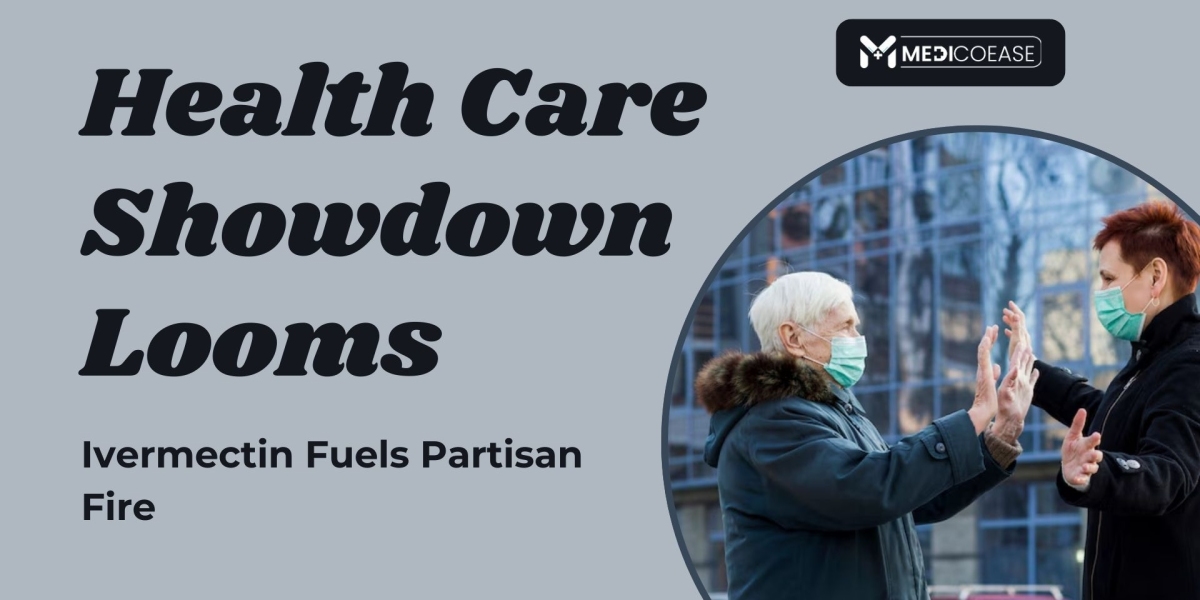
The conversation around healthcare innovation does not stop with Ivermectin. Alternative drugs such as Niclosamide and Fenbendazole are also gaining attention, particularly in research circles exploring off-label applications.
- Niclosamide: Initially an antihelminthic, Niclosamide has shown promise in preclinical studies for its antiviral, anticancer, and anti-inflammatory properties. Advocates argue that repurposing existing drugs can accelerate therapeutic solutions for emerging diseases, while critics highlight safety and efficacy concerns.
- Fenbendazole: Primarily used in veterinary medicine, early reports and anecdotal evidence suggest potential antitumor and antiparasitic effects. Clinical validation in humans, however, remains limited, raising regulatory and ethical questions.
These debates feed into the broader ivermectin subsidy political battle usa discussion, illustrating how drug innovation, regulatory oversight, and political ideology intersect in the U.S. healthcare system. Policymakers are now tasked with navigating public interest, scientific research, and regulatory rigor while maintaining public trust.
? Health Insurance Subsidies at Risk Amid Political Stalemates
Political deadlock poses a direct threat to health insurance subsidies, which help cover premiums for millions of Americans. Disruptions could have widespread consequences:
- Economic burden on families – Without subsidies, out-of-pocket costs could rise significantly, forcing some individuals to forgo essential care.
- Strain on hospitals and clinics – Increased uncompensated care could strain facilities already dealing with workforce shortages.
- Market instability – Health insurers may adjust coverage plans or increase premiums in anticipation of regulatory uncertainty.
These dynamics underscore the stakes in the wider ivermectin usa conversation, where debates about alternative therapies, scientific guidance, and political strategy intersect with the practical realities of healthcare delivery.
? Citizens Protest Potential Rise in Healthcare Costs Nationwide
Public engagement has intensified, with protests and advocacy campaigns highlighting concerns about rising premiums, reduced access to innovative treatments, and perceived government inaction. In cities across the country, demonstrators have:
- Called for transparency in healthcare policymaking.
- Advocated for affordable access to both conventional and alternative treatments.
- Pressured lawmakers to reconcile partisan differences before the October deadline.
These actions emphasize that the healthcare fight is more than a policy discussion—it is a public concern with tangible implications for everyday health and well-being.
? Lawmakers Trade Accusations Over Medical Policy Inconsistencies
In congressional hearings and public statements, lawmakers have exchanged sharp accusations regarding inconsistent healthcare policies. Key points of contention include:
- Treatment accessibility – Are patients receiving equitable access to therapies like Ivermectin and Niclosamide?
- Regulatory coherence – Are federal agencies providing consistent guidance on the use of alternative drugs?
- Political motivation vs. scientific integrity – Critics argue that partisan positioning sometimes overshadows evidence-based decision-making.
This publicized conflict reinforces the ivermectin covid debate, creating an environment where medical discussions are often framed in terms of political loyalty rather than scientific consensus.
? Future Elections May Hinge on Healthcare Debate Outcomes
The healthcare debate, with Ivermectin at its center, has the potential to influence future elections in significant ways:
- Issue salience – Voters increasingly view healthcare affordability and access as decisive factors.
- Partisan alignment – Party positions on subsidies and treatment policies may drive voter turnout and candidate support.
- Media influence – Ongoing coverage of Ivermectin, alternative therapies, and insurance subsidies amplifies the stakes.
In this context, both buy ivermectin and experimental drugs become symbols of broader ideological divides. Decisions about coverage and treatment access may also impact ivermectin price discussions, influencing how citizens perceive affordability and equity in healthcare.
❓ FAQ: Ivermectin and the U.S. Healthcare Debate
Q1: Why is Ivermectin central to partisan debates?
A: Its historical use during COVID-19 and perceived therapeutic versatility have made it a focal point for policy, scientific, and ideological discussions.
Q2: Are Niclosamide and Fenbendazole approved for human use?
A: Not widely; they are primarily under research for potential off-label applications.
Q3: Can citizens still buy ivermectin?
A: Yes, through Medicoease in both Ivermectin 6mg and Ivermectin 12mg formulations.
Q4: How do political stalemates affect health subsidies?
A: Delays in legislation or funding may raise premiums and reduce access to essential care.
Q5: Is Ivermectin effective for all healthcare concerns?
A: No; approved indications are limited, and usage outside these contexts should be guided by evidence and medical advice.
Q6: How can citizens stay informed?
A: Following federal guidance, reputable news outlets, and authoritative resources such as Wikipedia is recommended.
Q7: Will healthcare costs rise due to political disputes?
A: Potentially, especially if subsidies or coverage extensions are delayed.
Q8: How do elections influence healthcare policy decisions?
A: Lawmakers may adjust policy priorities based on voter sentiment regarding coverage, affordability, and treatment access.
Q9: Are there risks associated with Niclosamide?
A: Yes; safety and efficacy for off-label human use are not fully established.
Q10: What’s the best approach to navigate partisan healthcare debates?
A: Evidence-based policy, informed public participation, and careful analysis of scientific guidance help balance political and medical priorities.
? Conclusion
The U.S. healthcare system is at a critical juncture. Partisan debates surrounding Ivermectin, alternative drugs, and insurance subsidies illustrate the complexity of managing public health, innovation, and politics simultaneously.
As Congress approaches its October deadline, stakeholders—including lawmakers, healthcare providers, and citizens—must navigate competing priorities. Evidence-based guidance, transparent policy decisions, and equitable access to care remain essential to avoid adverse impacts on millions of Americans.
The debate over ivermectin covid, buy ivermectin, and ivermectin price reflects the broader challenge of balancing innovation, public perception, and political ideology in modern U.S. healthcare.

Lucas Creator
30 posts
-
 Bendamustine for Scientific Research: Mechanism, Applications, and Research Uses
This article provides a detailed overview of Bendamustine, a unique chemotherapeutic agent characterized by its hybrid structure that combines a nitrogen mustard group with a purine-like benzimidazole ring. It explores the drug's dual mechanism of action—including DNA crosslinking
-
 Advanced MERS-CoV Animal Models to Accelerate Coronavirus Vaccine and Drug Development
Advanced MERS-CoV Animal Models to Accelerate Coronavirus Vaccine and Drug Development
-
 Could Staring Spells and Hand Tremors Be Epilepsy?
Discover 9 common misconceptions about epilepsy, including seizure symptoms, causes, treatment options, medication management, and seizure first aid. Learn the facts about epilepsy and improve awareness to support patients and families.
-
 How Women Long Sleeve Hoodies Redefine Tactical Streetwear Fashion
Women Long Sleeve Hoodies have transformed from simple wardrobe essentials into defining pieces of tactical streetwear fashion. Their evolution reflects a broader shift in how clothing is perceived—not just as a necessity, but as an extension of personality and lifestyle.
-
 Elevate Your Health with Natural Therapies in Oceanside
Discover natural healing at an Acupuncture Clinic Oceanside and a trusted Holistic Wellness Center Oceanside for stress relief, pain management, and total wellness.
-
 Get 10% Off Reliable ED Medicines with Medsvilla Special Deal
These medicines are commonly prescribed and widely used for managing ED symptoms effectively when used under proper medical guidance.
-
 How to Get a Hydrocodone Prescription
Online via Telehealth (Safe & Legal Guide)This guide explains how to safely and legally get a hydrocodone prescription via telehealth,
along with key legal rules and safety precautions. -
 Transform Your Health with Advanced Surgical Solutions in Houston
Invest in your future. Choose Houston. Choose life-changing care.
-
 Unlocking Wellness: Functional Lab Testing & Nutraceutical Care in Columbia
Your path to balance, vitality, and healing starts here.
-
 How Modern Medical Equipment in Train Ambulance Ensures Patient Stability
Discover how advanced ICU equipment in Train Ambulance Service in Patna ensures patient stability during long-distance transfers with ventilators, monitors & expert care.
-
 Women’s Testosterone Dosage: What You Should Know
Testosterone isn’t just for men — it’s also a key hormone for women. When balanced properly, it supports energy, mood, muscle tone, mental clarity, and sexual wellness.


