- The French Open has become the first grand slam to offer players a share of tournament revenue.
- This move is seen as increasing pressure on other grand slams, particularly the US Open.
- Players seek guaranteed prize money formulas based on revenue sharing, aiming for 16% in 2023, rising to 22% by 2030.
Significant Step Forward in Prize Money Debate
The French Open has taken a bold step towards resolving the long-standing dispute over prize money among major tennis tournaments. At Wimbledon last fortnight, officials from Roland Garros presented their players' representative with an innovative proposal: sharing tournament revenue as part of the prize package.
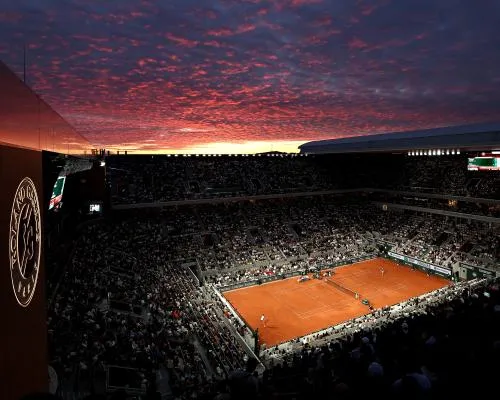
While the agreement remains pending, this move positions the French Open distinctly from its peers. Unlike other grand slam tournaments, which have continued to offer substantial increases in prize money but without a formalized revenue-sharing model, Roland Garros is now considering a new paradigm that could significantly impact player welfare and tournament dynamics.
Player Advocates for Revenue Sharing
Debbie Jevans, chair of the All England Club, previously criticized the concept during Wimbledon, stating it made no sense to use revenue to determine prize money. This attitude sparked a media boycott threat from players before being withdrawn. The French Open’s approach appears more inclusive and forward-thinking, offering not just financial benefits but also enhancing player engagement through greater involvement in tournament management.
Pressure on US Open
The French Open's commitment to revenue sharing creates additional pressure on the US Open, which is set to announce its prize fund next month. The players are pushing for a more equitable distribution model across all four grand slams, demanding 16% of each tournament’s revenue be allocated as prize money immediately, with that figure increasing to 22% by 2030.
The US Open has already seen significant increases in recent years—last year's $90 million prize pot marked a 20% rise from the previous year. If this trend continues, it could lead to even higher prize pools for players. However, the current disparity and lack of guaranteed formulas are causing frustration among top players like Jannik Sinner, who have threatened to boycott certain events unless substantial progress is made.
Implications for Other Grand Slams
This development at Roland Garros signals a shift towards more collaborative models in tennis. It is likely that other grand slams will be compelled to reevaluate their prize distribution policies, potentially leading to broader reforms within the sport. The French Open’s bold move could set a new standard for player-organizer relations and financial transparency in major sporting events.
Source: The Guardian

Sports Update
478 posts
-
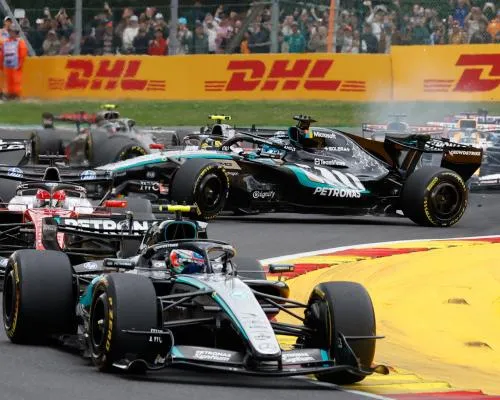 Mercedes Solves Engine Problem for George Russell
Mercedes has identified and fixed an issue with George Russell’s engine, addressing problems that affected his recent races in Silverstone and Spa.
-
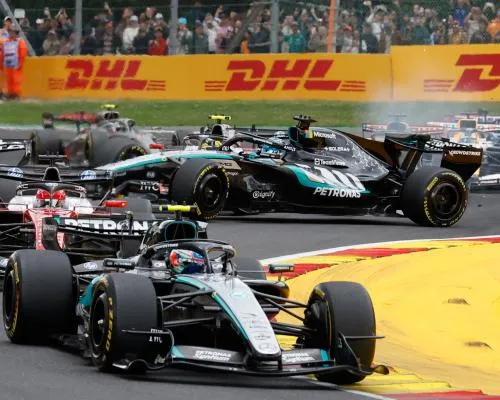 Mercedes Resolves Engine Issue for George Russell Ahead of Hungarian GP
Mercedes has resolved a key engine issue affecting George Russell’s performance, allowing him to look ahead at the Hungarian Grand Prix. Other teams are also facing similar challenges with new hybrid systems.
-
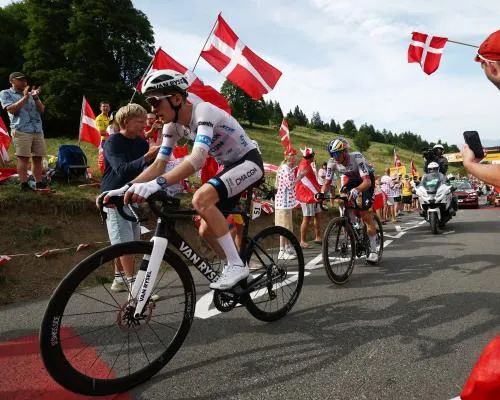 Tour de France Director Defends Night-Time Drug Tests Amid Bias Allegations
Tour de France director Christian Prudhomme defends night-time drug tests amid accusations of bias, emphasizing the independence and impartiality of the International Testing Agency (ITA).
-
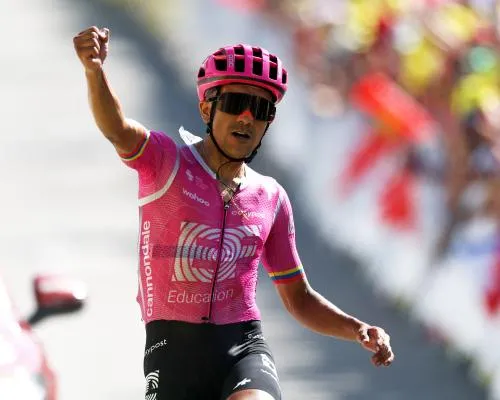 Tour de France 2026: Carapaz Triumphs in Stage 18 Climax
Richard Carapaz wins stage 18 of the 2026 Tour de France, further cementing his lead in the general classification while Paret-Peintre closes in on the polkadot jersey.
-
 Tour de France 2026: Stage 18 Live Updates and Analysis
Live updates from stage 18 of the 2026 Tour de France show Carapaz and Paret-Peintre leading a crucial climb while the main group struggles behind.
-
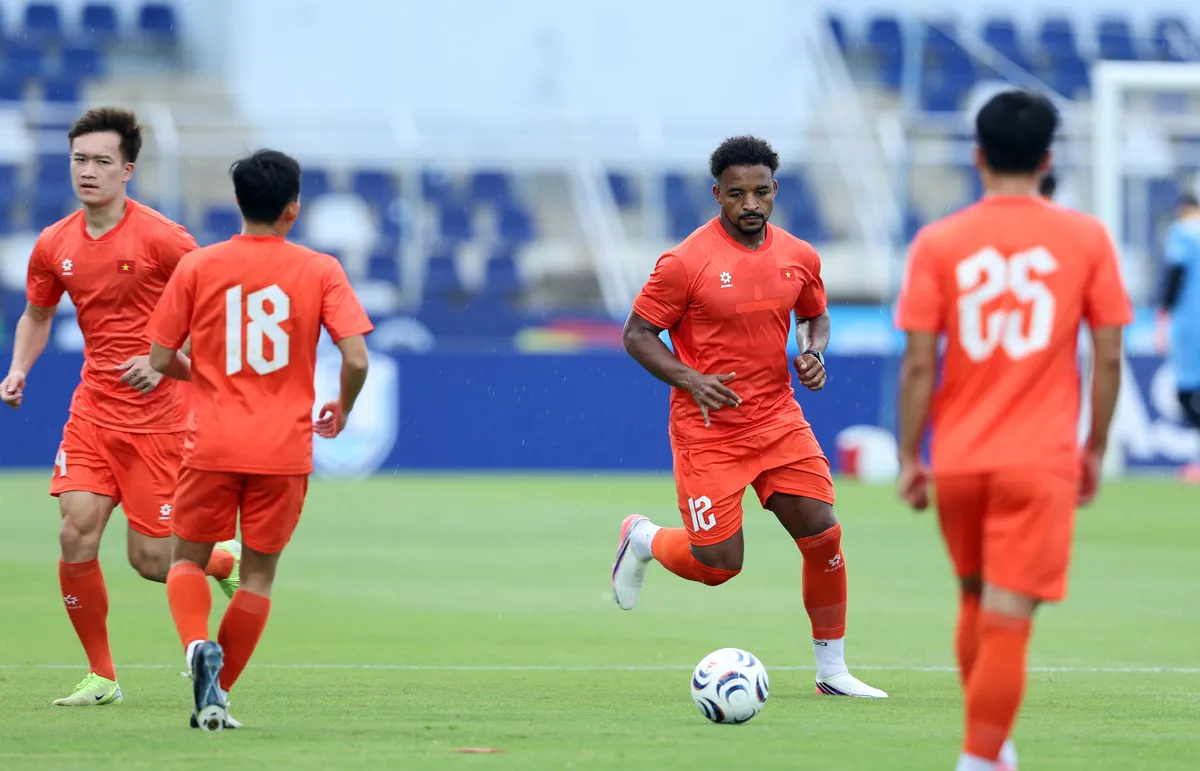 Nhận định bóng đá Việt Nam vs Timor Leste: Nhiều bàn thắng, tỷ số cách biệt
Bài viết tổng hợp các thông tin từ VnExpress và Thanh Niên về trận ra quân của đội tuyển Việt Nam tại ASEAN Cup 2026, tập trung vào tình hình nhân sự và nhận định trước trận đấu.
-
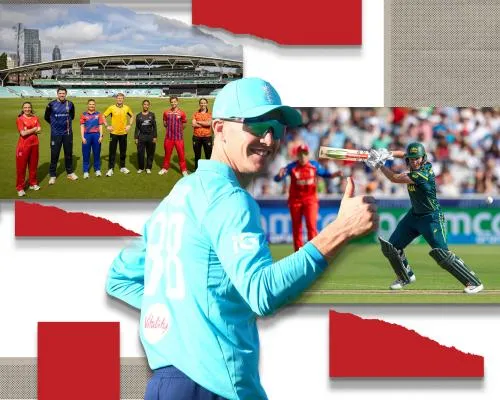 The Hundred: A New Era with Big Changes Ahead
The ECB's Hundred tournament undergoes major changes in ownership and team names for 2026, with increased budgets and corporate sponsorships.
-
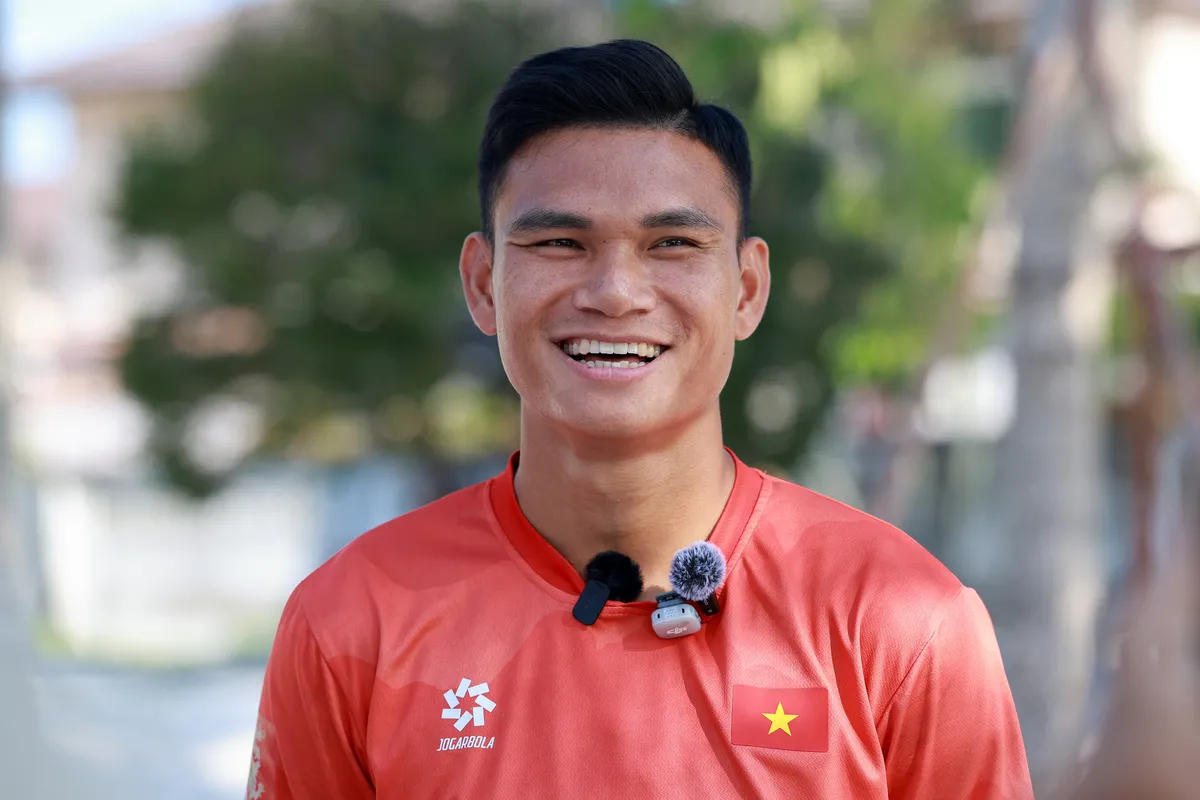 ASEAN Cup 2026: Đội tuyển Việt Nam đối mặt thách thức từ các đội mạnh hơn
ASEAN Cup 2026 có sự thay đổi về chất lượng đội hình với các đối thủ mạnh hơn, đặt ra thách thức lớn cho ĐKVĐ Việt Nam. Phạm Xuân Mạnh tự tin hàng phòng ngự sẽ lấp đầy khoảng trống của Duy Mạnh.
-
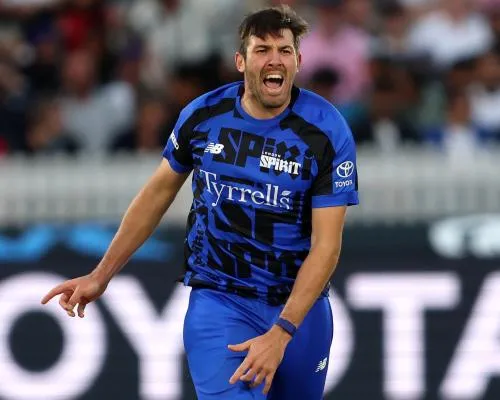 London Spirit Embarks on New Chapter with Fresh Faces and High Hopes
London Spirit enters the Hundred season with significant changes, including new coaches, players, and ownership. The team aims to capitalize on its newfound energy and experience.
-
 Sean McCann Set to Represent Scotland at Commonwealth Games
Sean McCann is set to compete for Scotland at the Glasgow 2026 Commonwealth Games, aiming to represent Great Britain in the 2028 Olympics.


