EU Delays Decision on Trade Ban with Illegal Israeli Settlements Amid Ongoing Crisis

- Foreign ministers are set to discuss a possible ban on imports from illegal settlements.
- The EU is accused of dragging its feet in implementing the decision, despite calls for action.
- Legal scholars and NGOs accuse Israel of providing tax breaks and mislabeling agricultural products.
- The debate is complicated by ongoing disputes over voting requirements within the EU.
EU Ministers to Discuss Ban on Imports from Illegal Settlements
The European Union (EU) will hold a crucial meeting of its foreign ministers in Brussels, where they are set to discuss banning imports from illegal Israeli settlements. This decision comes amidst ongoing humanitarian crises and legal challenges faced by the Palestinians.
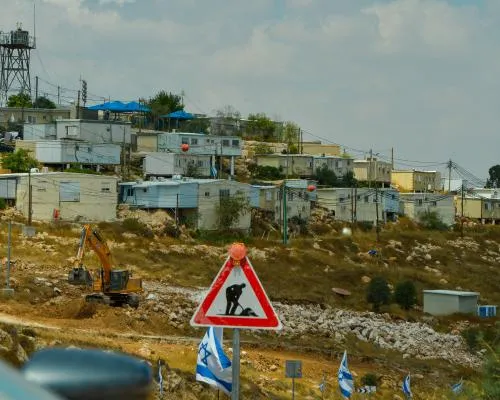
The EU has been criticized for delaying action on this issue, despite a ruling from the International Court of Justice (ICJ) that called for an end to the occupation of Palestinian territories. The ICJ found multiple breaches of international law by Israel and stated that states have a legal obligation to prevent trade with illegal settlements.
A leaked paper from the European Commission outlines three possible options: a full ban on imports, high tariffs rendering trade unviable, or an import licensing system. The paper notes that these measures could significantly impact the EU-Israel relationship, especially considering Israel's upcoming general election.
Legal scholars and NGOs call for action. At least 10 European member states, including Belgium, the Netherlands, and Spain, have called on the EU to end trade with illegal settlements. This stance is backed by over 100 legal scholars who recently wrote to senior officials in the European Commission emphasizing their international legal obligations.
Complicated voting requirements further complicate the debate within the EU regarding whether a ban can be implemented through a qualified majority vote or requires unanimous support. Alberto Alemanno, a law professor at HEC Paris, warned that each month of delay only deepens the EU's legal liability for sustaining trade with an unlawful occupation.
Despite these challenges, NGOs like Global Echo have documented cases where Israeli exporters receive illegal tax breaks and mislabel agricultural products as originating from within Israel. The situation remains a contentious issue in both legal and economic terms, raising questions about the future of EU-Israel relations.
Source: The Guardian
Guardian News World
517 posts
-
 Iran gia tăng xuất khẩu dầu sau lệnh ngừng bắn 3 tuần: Nguồn lo ngại cho thị trường
Iran tăng tốc xuất khẩu dầu sau lệnh ngừng bắn của Mỹ, trong khi Tehran tuyên bố vẫn tuân thủ thỏa thuận với Washington. Sự việc này ảnh hưởng tới ngành công nghiệp dầu mỏ của Việt Nam và các quốc gia khác.
-
 France vs Spain: World Cup Semifinal Set for Dallas
France and Spain will face off in a World Cup semifinal in Dallas.
-
 South Korean Stalking App to Aid Victims, But Impact Uncertain
South Korea develops a new app for stalking victims; experts question its effectiveness.
-
 Rare T. Rex Fossil to Auction for Record-Breaking Price
A 67-million-year-old T. rex fossil is being auctioned with a starting price of $30 million in New York.
-
 Vụ lật canô ở Phú Quốc: 15 công dân Ấn Độ thiệt mạng, lãnh đạo cấp cao Việt Nam chia buồn
Bài viết tóm tắt về vụ lật canô tại đảo Phú Quốc, An Giang khiến 15 công dân Ấn Độ thiệt mạng. Lãnh đạo cấp cao Việt Nam đã gửi lời thăm hỏi chia buồn đến gia đình các nạn nhân và đang triển khai các biện pháp ứng phó
-
 Suspect Arrested in Murder Case Involving Former MP Ann Widdecombe
A 28-year-old man has been arrested in connection with the murder of former MP Ann Widdecombe, following her body's discovery after being missing for nearly a day.
-
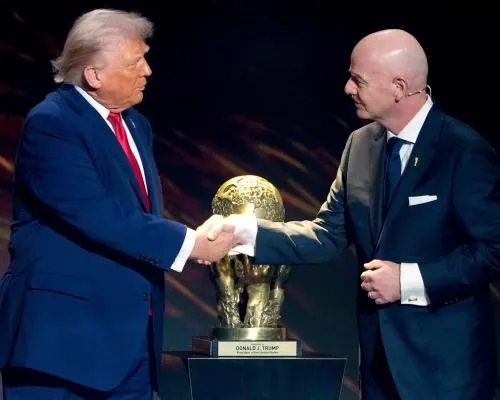 Whistleblowers Accuse Kennedy Center of Rushed Renovations to Accommodate Trump Events
Senator Sheldon Whitehouse has alleged that renovations at the Kennedy Center were rushed and ignored federal contracting laws for events like President Trump's Fifa 'peace prize' ceremony.
-
 Whistleblowers Accuse Kennedy Center of Rushed Renovations to Please Trump
Whistleblowers claim rushed renovations at Kennedy Center prioritized aesthetics over proper contracting practices.
-
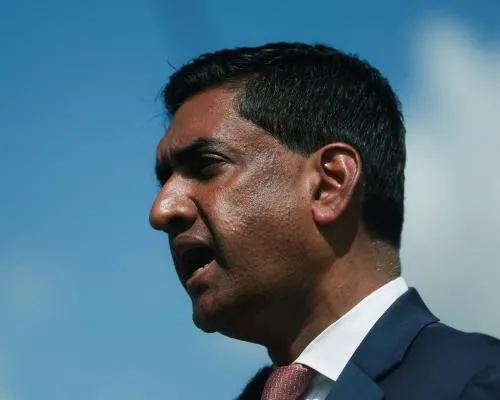 US Congressman Describe Harrowing Detention by Armed Settlers in West Bank
US Congressman Ro Khanna recounts being detained by armed Israeli settlers during a visit to the West Bank, highlighting the challenges faced by Palestinians.
-
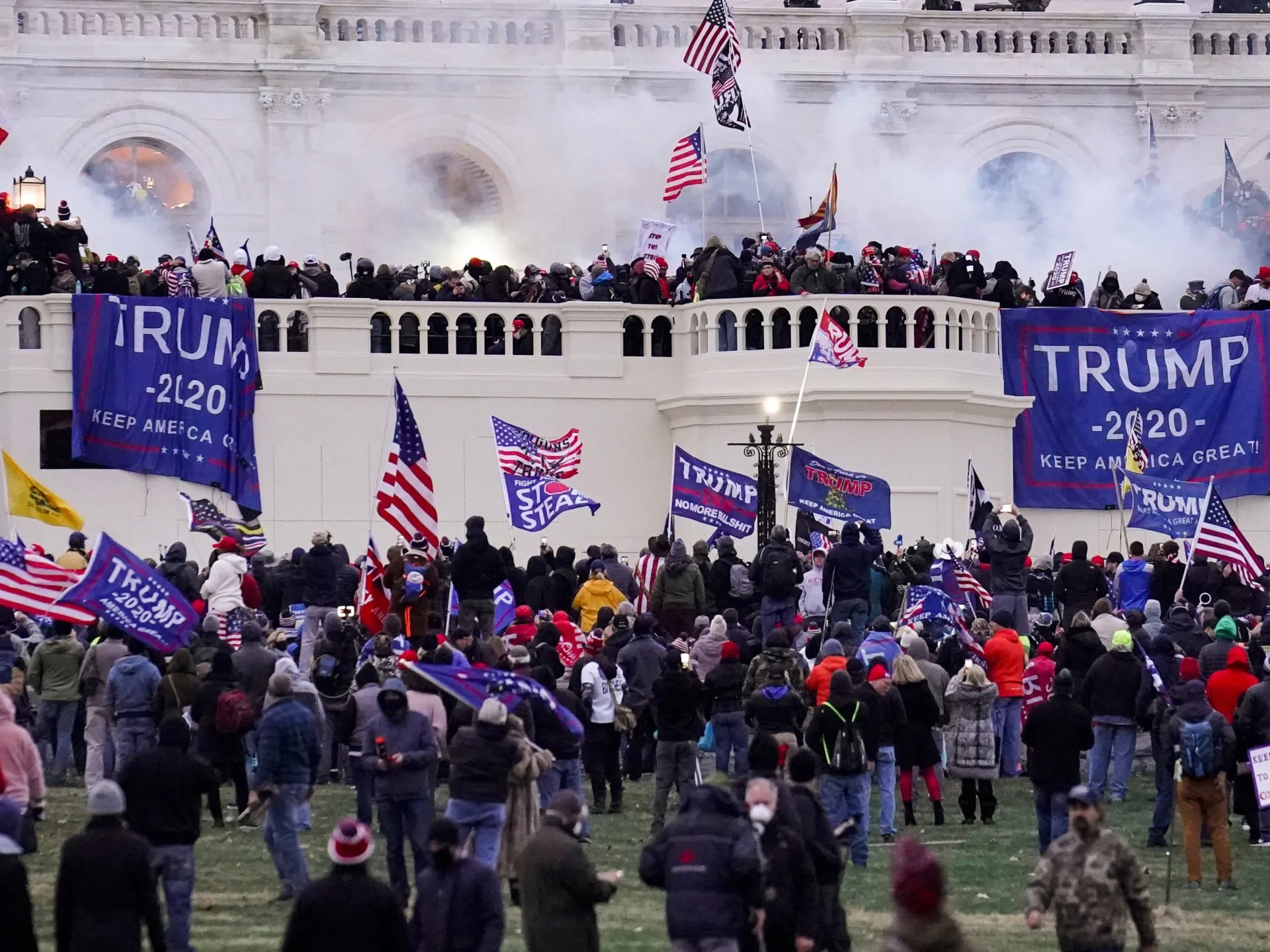 US Judge Ends Legal Pursuit Against Proud Boys in January 6 Case
US judge dismisses January 6 case against Proud Boys, following similar moves by the Trump administration to unwind prosecutions.


