- Senator Ed Markey introduces new legislation to address AI harms across industries.
- Bills focus on datacenter regulation, automated hiring systems, and child safety.
- Markey emphasizes the need for federal action over piecemeal state approaches.
Senator Markey's Comprehensive AI Regulation Agenda
US Senator Ed Markey has unveiled a suite of bills aimed at mitigating the harmful impacts of artificial intelligence (AI) across various sectors. In what he calls his 'AI accountability agenda,' Markey seeks to establish federal certification requirements for datacenters, curb discriminatory algorithms, and protect workers from AI-driven decision-making.
Addressing Datacenter Pollution

Markey is particularly concerned about the environmental impact of datacenters. His latest proposal would require companies planning datacenter construction to obtain certification from a relevant federal agency that these facilities will not harm public interest, evaluating factors such as air and water quality, noise levels, energy costs, and environmental impact.
The senator's bills also aim to protect workers and children. One of his proposals would ban employers from relying heavily on automated systems for hiring, firing, and promotion decisions. Another bill seeks to enhance safeguards for AI chatbot companies to prevent children from becoming emotionally dependent on them.
Markey's interest in regulating these technologies has only grown as the technology embeds itself deeper across industries. His comprehensive legislative push includes measures such as instituting offices of civil rights in federal agencies, mandating energy and environmental reporting by companies, and protecting workers who disagree with AI recommendations.
Broad Legislative Efforts
The senator has already authored close to a dozen bills aimed at addressing the harmful effects of AI. For instance, he has proposed measures that would require every federal agency using or funding AI to have an office of civil rights focused on combatting bias and discrimination; mandate that healthcare facilities create human override options for AI decisions; protect workers who disagree with AI recommendations; and ensure companies report the energy and environmental effects of datacenters in a standardized way.
Personal Motivation and Legislative Process
Fighting inertia despite Congress's inaction on AI regulation, Markey remains optimistic that many of his proposals will win bipartisan support. 'Ultimately, there will be national solutions that will be put on the books,' he said. Many of his AI bills are still making their way through the legislative process.
Markey's efforts have been motivated by specific incidents and concerns. For instance, one of his child safety proposals has already been passed by the Senate, signaling a potential shift in federal policy towards greater oversight of AI technologies. Another bill aims to restrict surveillance technology used in the workplace, which Markey believes is pushing workers beyond their physical limits.
The senator's conversations with workers about how intensely their workdays are monitored have reinforced his belief that labor rights protections need to catch up with technological advances. His father worked in a factory before the landmark Occupational Safety and Health Administration was created, and this experience has deeply influenced Markey’s legislative efforts.
Source: The Guardian

Technology News Feed
113 posts
-
 Hệ thống lưới thu hồi tên lửa tái sử dụng: Tầm nhìn mới của Trung Quốc
Bài viết này khám phá công nghệ mới của Trung Quốc trong việc thu hồi tên lửa tái sử dụng, đánh dấu bước tiến quan trọng trong ngành hàng không vũ trụ.
-
 Regulator Slaps Heavy Fine on Adult Content Sites
Ofcom fines adult content sites for age verification failures.
-
 Retail Crime Surveillance: Facewatch's Real-Time Policing Faces Criticism
Retail giant Sainsbury’s and others implement real-time facial recognition, raising concerns about privacy and potential misuse.
-
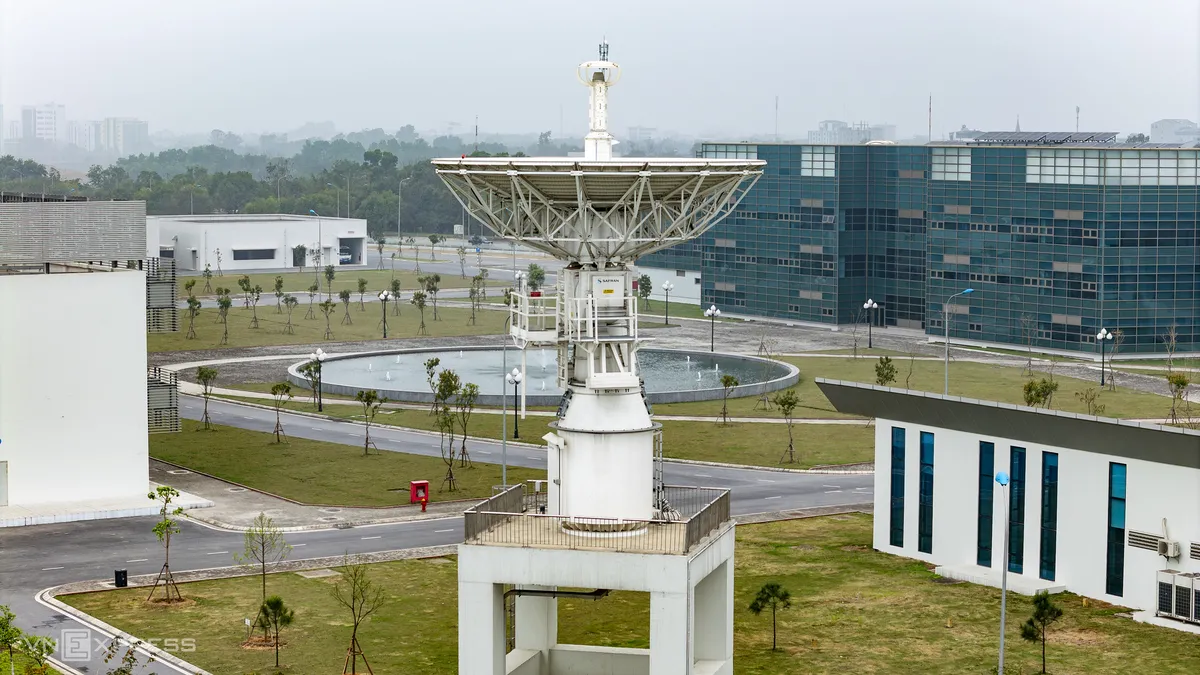 Hà Nội: Định Mục Tăng Trưởng Khoa Học Công Nghệ Động Lực Như Thế Nào?
Hà Nội đang tập trung vào việc chuyển đổi mô hình tăng trưởng bằng cách sử dụng khoa học công nghệ và đổi mới sáng tạo. Dù đã đạt được một số thành tựu, nhưng vẫn còn nhiều thách thức để biến những nỗ lực này th
-
 Port of Rotterdam Faces Legal Push for Greener Operations
Legal action is being taken against the Port of Rotterdam to push for faster transition to sustainable energy sources.
-
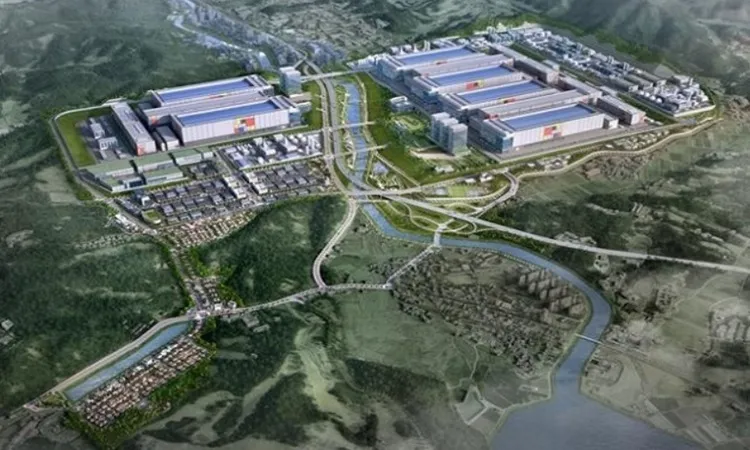 800.000 tấn nước/ngày: Nỗi lo thiếu điện, nước bao trùm siêu dự án AI của Hàn Quốc
Siêu dự án AI trị giá 880 tỷ USD của Hàn Quốc bao gồm nhiều thách thức về nguồn điện và nước, nguy cơ ảnh hưởng trực tiếp đến hoạt động của các nhà máy chip và trung tâm dữ liệu.
-
 Apple Files Lawsuit Against OpenAI over Alleged Trade Secret Theft
Apple has sued OpenAI for allegedly stealing trade secrets after several former employees were poached by the AI company. The lawsuit claims that sensitive information was shared, leading to a legal showdown.
-
 Hackers Mạo Dạng Liên Đoàn Bóng Đá Argentina Kêu Gọi Công Lý Cho Ai Cập
Hackers đã mạo danh Liên đoàn bóng đá Argentina để kêu gọi công lý cho Ai Cập sau khi các cầu thủ và ban huấn luyện của đội này cáo buộc việc dàn xếp trận đấu, phản ánh mối lo ngại về an ninh mạng trong giải đấu FIFA World Cu
-
 Review: Assassin’s Creed Black Flag Remake Gets a Makeover After 13 Years
Tech journalist Tom Gerkin reviews the long-awaited remake of Assassin’s Creed Black Flag, nearly 13 years after the original was released.
-
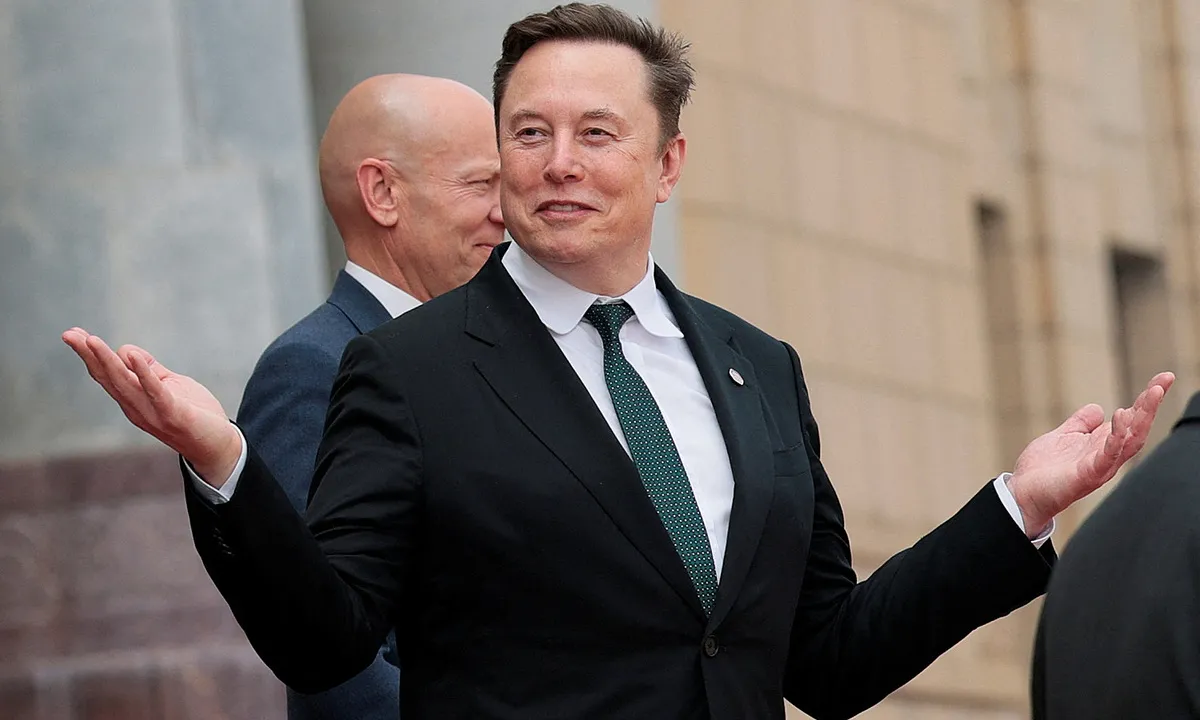 Elon Musk chuyển từ chê sang khen Anthropic: Startup AI dẫn đầu ngành thế nào?
Elon Musk công khai thay đổi quan điểm về startup AI Anthropic sau nhiều năm nghi ngờ, đánh giá cao sự phát triển vượt bậc của họ. Bài viết chi tiết về thông tin từ VnExpress.


