- Andy Flower, who coached England successfully from 2009-2014, remains a top contender for the new head coach role.
- Flower’s current commitments in India and potential culture clashes with his previous coaching style may pose challenges.
- The unchanged management setup could deter potential candidates from joining the English team.
- There are questions about leadership and player development as England looks to fill the vacant Test captaincy.
Flower's Past Success
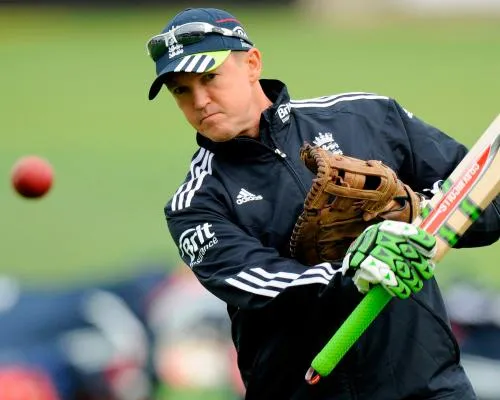
That Andy Flower emerged as the favourite to take over England’s Test team so soon after Brendon McCullum’s demotion should come as no surprise. Put simply, the Zimbabwean is the leading active head coach on the circuit. During his first spell in the job from 2009 to 2014, England won three successive Ashes series, ended a 27-year wait to win a Test series in India, and rose to No. 1 in the Test rankings. The men’s white-ball team also broke its duck in global tournaments by lifting the World T20 in the Caribbean in 2010.
Flower has since carved out a successful second career. In franchise cricket, his teams have won the Pakistan Super League, the Hundred, the ILT20, and the Indian Premier League (twice). When Australia broke India’s hearts by securing the 2023 World Cup, Flower was in their camp as a batting consultant. The impact of Flower on English cricket also extends beyond his first spell as head coach and a subsequent four-year role with the Lions, having furnished his successors with a generation of hardened cricketers.
Potential Challenges
The selection process for England’s new Test head coach is complex and multifaceted, with Andy Flower being one of several potential candidates. While his experience and achievements are undeniable, the practical challenges in managing time, adapting to a new coaching environment, and addressing current team dynamics will be critical factors in any decision made by the England and Wales Cricket Board.
For a start, there is his role with Royal Challengers Bengaluru in the IPL. Richard Gould, chief executive of the England and Wales Cricket Board (ECB), sounds happy for the Test role to be done in conjunction with this. However, it may not be feasible given that the IPL already rubs up against the start of the English Test summer, and future expansion of the tournament cannot be ruled out.
Then there is the question of whether Flower would want to return to a split-coaching model, having attempted this (unsuccessfully) with Ashley Giles at the back end of his first spell. For all that he is said to have mellowed since, would Flower’s rigorous, details-led approach not be a culture clash with McCullum's less formal environment on the other side of the fence? This culture difference could create significant issues for integrating effectively into England's cricket setup.
Management Setup and Player Development
The unchanged management structure could be a deterrent for potential candidates. The current setup, despite improvements in player development under Flower’s first spell, may still face challenges. For example, the recent departure of Ben Stokes highlights gaps that need addressing.
In addition to these managerial concerns, questions around leadership and captaincy also loom large. While Harry Brook is likely to remain as white-ball captain, returning Test player Joe Root faces a return to duty out of obligation rather than interest. The absence of a clear emerging personality within the team could make it difficult for an experienced coach to shape future leaders.
For all that England pays well and has about 400 professionals from which to select, potential candidates may look at a management setup that is largely unchanged beyond McCullum’s reduced role and ask how much difference they can truly make. They may wonder, for example, why a player like Stokes can go from extolling the virtues of Test cricket via a string of expletives on social media to walking away from it entirely in the space of a few months.
Stokes is an emotional character, no question, but the dousing of his flame will be a red flag all the same. They may also look at the vacant Test captaincy and ask if there is a viable leadership partnership to be forged. Harry Brook appears likely to be ringfenced in his white-ball job – McCullum is keen for their alliance to continue – while Root would be returning to the job out of duty rather than preference. Beyond the two Yorkshiremen, there is no obvious emerging personality in the rank and file who simply needs a quiet facilitator as coach, much like Eoin Morgan, Trevor Bayliss, and England’s one-day side in 2015.
An experienced head coach could mould a young stripling such as Jacob Bethell in their image, or captain by proxy, much as Flower did with Alastair Cook. Whether one can be persuaded to join a setup that is flush with competing voices and still includes their predecessor is another matter.
Source: The Guardian

Sports Update
513 posts
-
 DexBerry: DeFi and NFT combined
DexBerry is a very interesting blockchain project founded by a team of professionals with a very ambitious aim: revolutionize the DeFi and the NFT sectors, making them accessible to everyone.
-
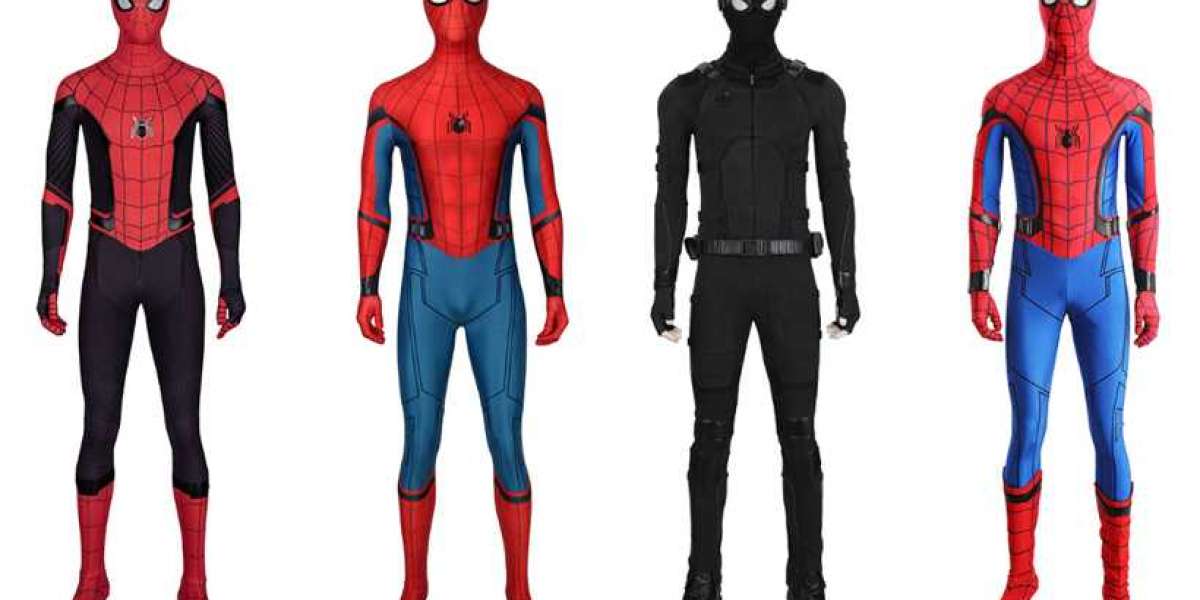 Cosplay is now extra handy than ever.
Cosplay occasions are commonplace on the subject of fan conventions and there also are dedicated conventions and worldwide competitions which can be focused spherical cosplay sports. Captain America Costume
Do you want cosplay? Do you need to get dressed up like the character o -
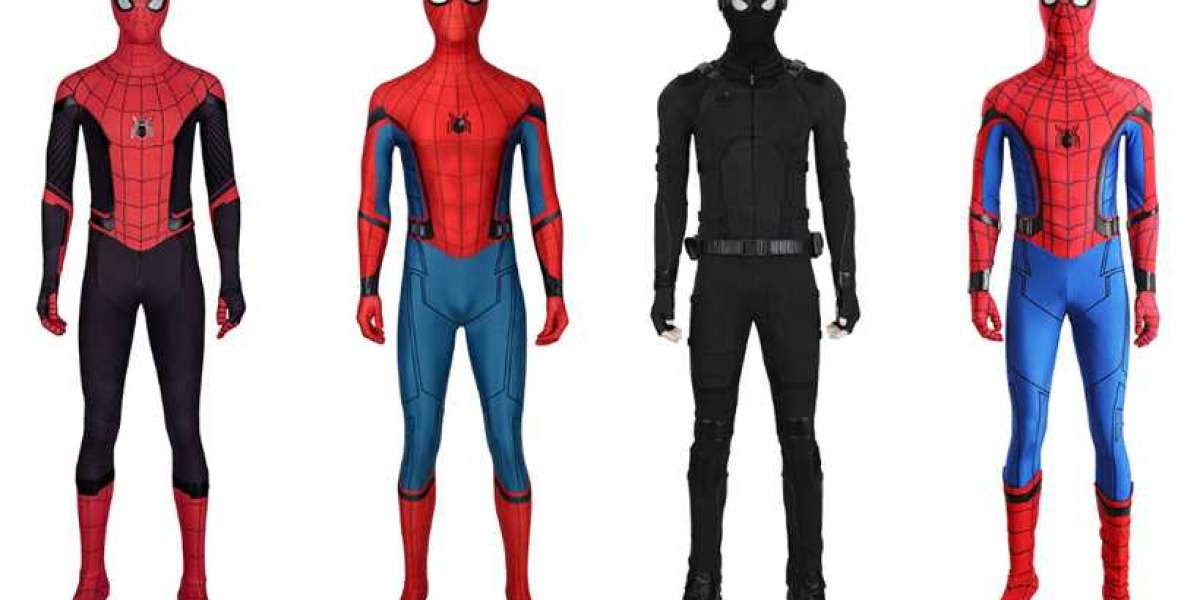 Cosplay is now extra handy than ever.
Cosplay occasions are commonplace on the subject of fan conventions and there also are dedicated conventions and worldwide competitions which can be focused spherical cosplay sports. Captain America Costume
Do you want cosplay? Do you need to get dressed up like the character o -
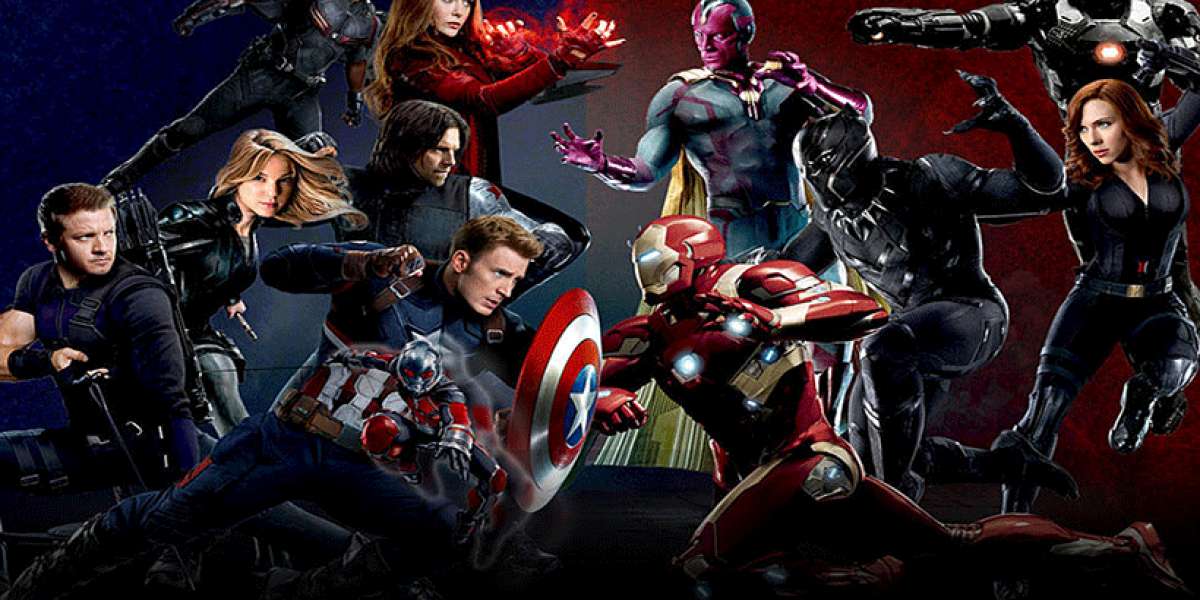 Cosplayers are as a result enthusiasts
Cosplayers are as a result enthusiasts, however they do not ought to be a massive fan of the man or woman itself which will cosplay them. Cosplayers are not a homogenous phenomenon, but are simply polycentric and multi-layered.
-
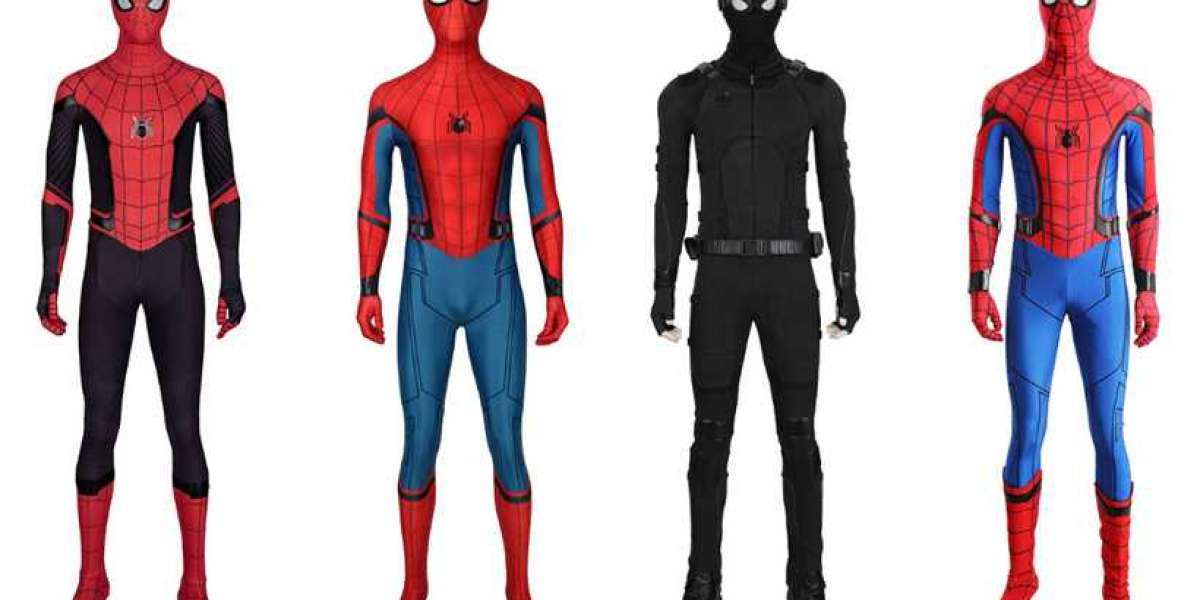 I even have cosplayed before
I even have cosplayed before—I haven't any snap shots due to the fact I modified into too concerned on the time—but my history in theater made it experience as though I were a overall overall performance artist. Boston Comic-Con looks like a conference of visible and basic overal
-
 WHAT IS COSPLAY?
While there's no set in stone definition, the phrase ‘Cosplay’ commonly refers back to the act of dressing in a costume to recreate the appearance of a individual from a piece of fiction
-
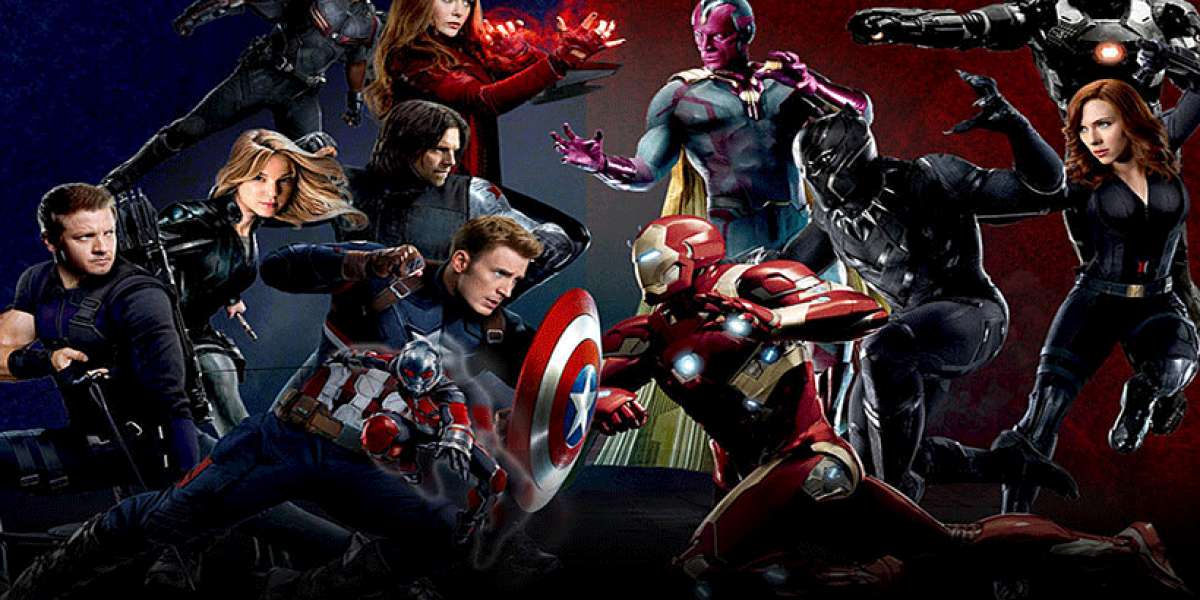 They may not be considering the ramifications of their selections.
The costumes from CCosplay are all hand-made, can be daily used, this is the main difference between our costumes and other fancy dress and cheap mass products.
-
 Cosplaying at a fan convention is in part institutionalized thru
We earned the respect of all our customers, from Japan, Korea, U.S, U.K, Germany, France, etc. We have what you are looking for and more!
-
 Cosplay, a contraction of the words costume play
We earned the respect of all our customers, from Japan, Korea, U.S, U.K, Germany, France, etc. We have what you are looking for and more!
-
 Are you looking for an online store that offers inexpensive and well-sewed cosplay costumes?
We earned the respect of all our customers, from Japan, Korea, U.S, U.K, Germany, France, etc. We have what you are looking for and more!
-
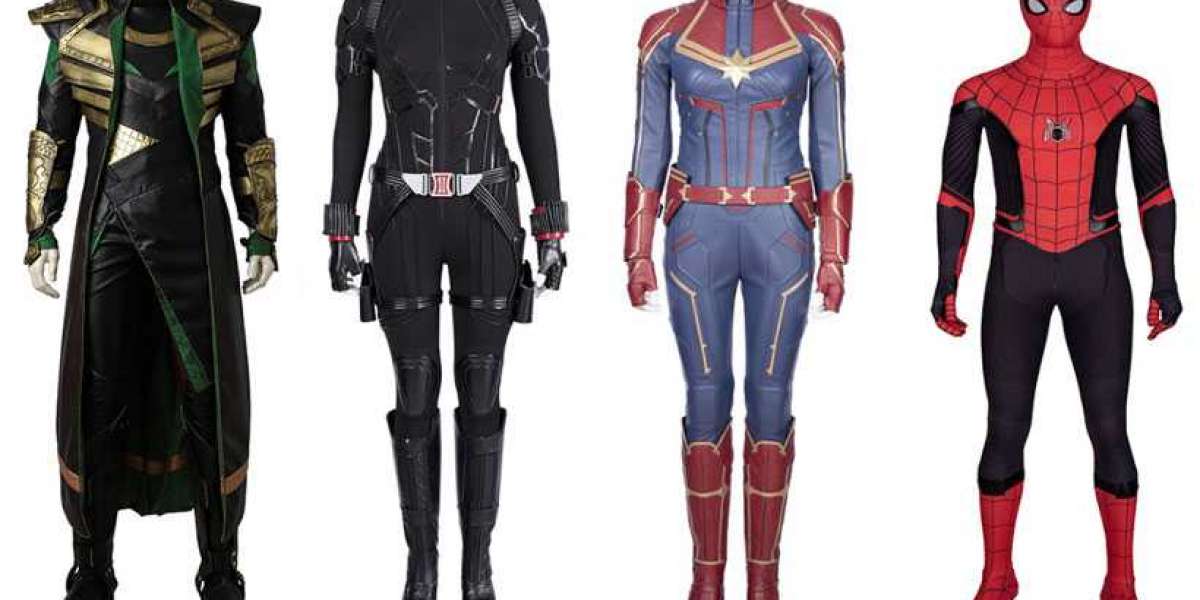 Cosplay costumes is very important for cosplayers
We earned the respect of all our customers, from Japan, Korea, U.S, U.K, Germany, France, etc. We have what you are looking for and more!


