- Many recreational athletes focus too much on performance metrics.
- Age 77, the writer reflects on the value of enjoying sports without pressure.
- Worrying about injuries and bragging rights can detract from genuine enjoyment.
What Happened
A letter to The Guardian highlights how modern recreational athletes often prioritize performance metrics over the simple joy of participation. An 77-year-old sport enthusiast, Barbara Smyth from Cheltenham, Gloucestershire, laments that contemporary fitness culture is becoming overly goal- and target-oriented, with an excessive emphasis on personal bests (PBs) and tracking laps or distances.
Personal Reflections
The writer expresses a stark contrast to the current trend. She has spent a week crying due to injuries sustained while pursuing her fitness goals, something she had never experienced before. This experience raises questions about the motivations behind such intense participation in sports—whether it's purely for bragging rights or an unhealthy quest for perfection.

Barbara writes that modern life has become goal-oriented, emphasizing the need to achieve certain performance benchmarks even when it comes at a cost. She suggests that this focus on results might not align with what many people truly enjoy about sport—simply participating for enjoyment. This shift towards obsessive tracking of metrics has led her to question whether she's missing out on the intrinsic pleasure sports once brought.
Back Pain and Injuries
The writer notes that modern life has become goal-oriented, emphasizing the need to achieve certain performance benchmarks even when it comes at a cost. She suggests that this focus on results might not align with what many people truly enjoy about sport—simply participating for enjoyment.
Barbara highlights how her weekly fitness routine now includes constant monitoring of metrics and striving for PBs, which has led to a significant increase in back pain and injuries. For instance, she mentions one particularly grueling session where she pushed herself too hard on an uneven surface, resulting in a sprained ankle that kept her out of action for days.
She also recalls a recent incident during a local 5K run where she had to stop mid-race due to a sharp pain in her lower back. This experience is far from uncommon; she has noticed an uptick in similar cases among her peers and even younger participants who are equally obsessed with their fitness metrics.
Reactions and Context
The letter reflects a broader trend of how fitness culture has changed over the past few decades. In her youth, Barbara did not face such intense pressure to perform; instead, she enjoyed the camaraderie and leisurely pace of outdoor activities.
She cites several examples from her community where individuals have had to undergo surgery due to over-exertion or injury from poorly planned workouts. For instance, a local gym member, John Thompson (68), underwent knee replacement surgery after years of pushing his limits in high-impact exercises without proper recovery.
Barbara suggests that the current fitness culture might be driven by social media and technology, which have created unrealistic expectations around performance and physical appearance. She mentions a specific incident where she witnessed a group of teenagers competing to see who could run the most laps on a local track in just 24 hours, resulting in multiple injuries.
Conclusion
In conclusion, Barbara's letter serves as a poignant reminder that while modern fitness culture may offer unprecedented tools for tracking and improving physical performance, it comes at a significant risk to one's health. The joy of sport should not be compromised by the relentless pursuit of personal bests and quantified metrics. As she puts it, 'If I could turn back time, I would prioritize the simple pleasure of being outdoors with friends over trying to beat my own records every weekend.' This sentiment resonates with many who advocate for a more balanced approach to fitness that prioritizes well-being alongside performance.
Source: The Guardian

Sports Update
513 posts
-
 Irlanda Presta-se a Série Controversial Contra Afganistão Embora Irritação da ECB
 -
 Ireland Set to Face Controversial Series Against Afghanistan Despite ECB Ire
Cricket Ireland has decided to host an ODI series with Afghanistan despite concerns from England’s Cricket Board over human rights issues, potentially affecting future international fixtures.
-
 O Prazer do Esporte: Olhando Mais Além dos Métricos de Desempenho
Uma carta enviada por uma entusiasta do esporte, com 77 anos, questiona a atual obsessão com métricas de desempenho em atividades recreativas, defendendo em vez disso o prazer e o autêntico gozo.
-
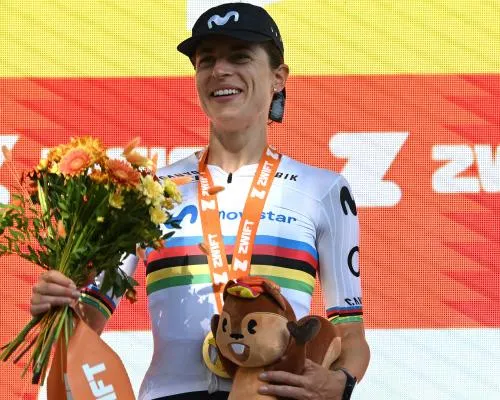 Tour de France Femmes: Marlen Reusser Menang Stage Keempat dan Mengenakan Jersey Kuning
 -
 Maguire Retains Solheim Cup Place Despite Disappointing 2026
Leona Maguire retains her place on Europe’s Solheim Cup team despite a difficult 2026, with three new rookies added as well.
-
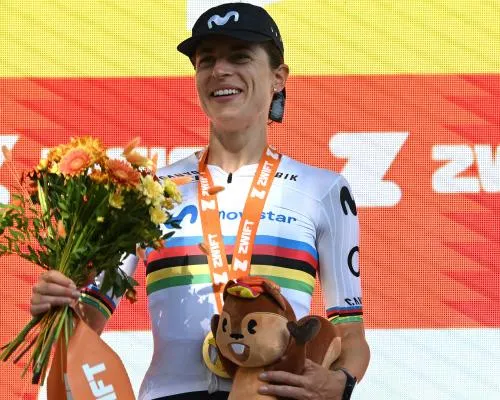 Tour de France Feminino: Marlen Reusser Conquista Vitória no Quarto Etapa e LevaJersey Amarelo
A ciclista suíça Marlen Reusser vence o tempo cronometrado da quarta etapa do Tour de France Feminino e assume a liderança geral.
-
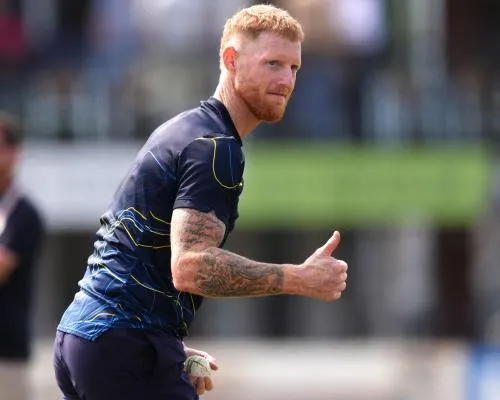 Stokes Reflexiona Sobre su Retiro y el Futuro del Cricket Ingles
El ex capitán de Inglaterra, Ben Stokes, comparte sus pensamientos sobre su retiro, las preocupaciones por la captaría de Joe Root y refleja sobre la cultura de beber en el cricket.
-
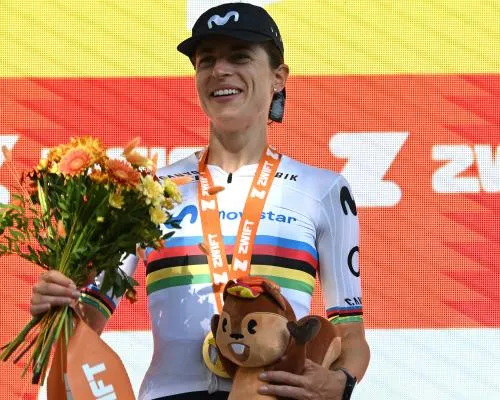 Tour de France Femmes: Marlen Reusser Secures Stage Four Victory and Yellow Jersey
Swiss cyclist Marlen Reusser secures stage victory and yellow jersey in Tour de France Femmes time trial.
-
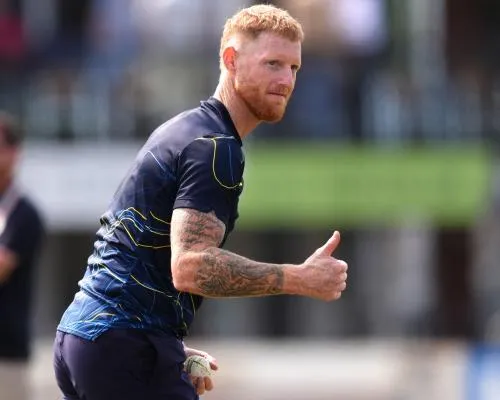 Stokes Reflects on Retirement and Future of English Cricket
Former England captain Ben Stokes discusses his retirement, concerns for Joe Root’s captaincy, and reflections on the team's drinking culture.
-
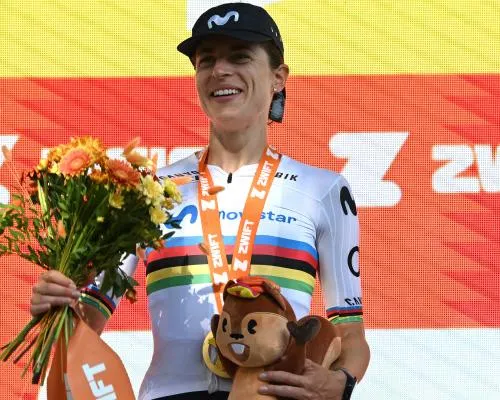 Tour de France Femina: Reusser Unggul di Stage Keempat Time Trial


