Drain cleaning is a fundamental aspect of home maintenance that helps ensure your plumbing system works efficiently. Over time, drains accumulate debris such as food particles, grease, soap scum, hair, and minerals from water, leading to clogs and slow drainage. Regular drain cleaning prevents these issues, keeps your plumbing system running smoothly, and avoids costly repairs down the road.
Why Drain Cleaning is Important
Prevents Blockages and Clogs Drains naturally collect various substances that can lead to blockages. Over time, even small amounts of grease, soap, and food particles can accumulate and cause significant blockages. Regular drain cleaning keeps these materials from building up, allowing water to flow freely through your pipes.
Eliminates Foul Odors Trapped debris inside drains can decompose and emit unpleasant odors. These smells can spread throughout your home, making your living spaces uncomfortable. Cleaning your drains regularly helps eliminate these odors, ensuring your home stays fresh and pleasant.
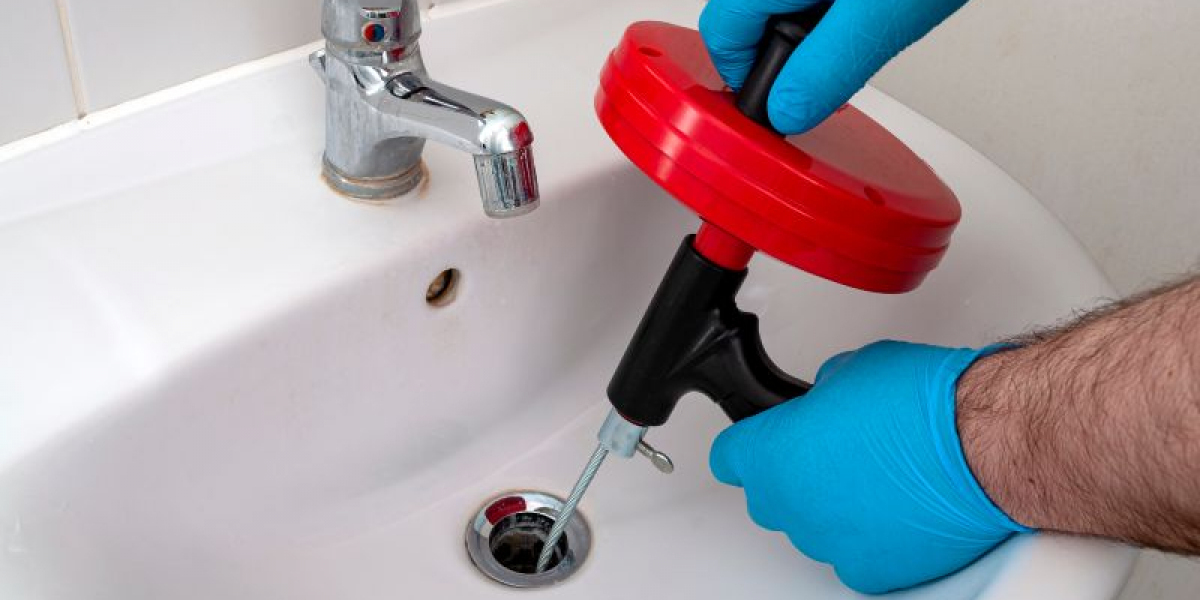
Drain Cleaning: Essential Maintenance for Your Plumbing System Maintains Hygiene and Health Clogged drains create environments where bacteria, mold, and mildew can thrive. These microorganisms can lead to poor indoor air quality and potential health problems. By regularly cleaning your drains, you reduce the risk of harmful bacteria building up in your plumbing system.
Extends the Life of Your Plumbing System When drains are clogged, water cannot flow freely, which can place unnecessary strain on your pipes and plumbing fixtures. Over time, this pressure can lead to leaks, bursts, or other forms of damage. Regular cleaning helps prevent these issues, prolonging the life of your plumbing system and avoiding expensive repairs.
Common Signs That You Need Drain Cleaning
It’s important to stay aware of the signs that indicate your drains need attention. These include:
- Slow Drainage: If water is draining slowly from your sink, shower, or tub, it could be a sign that debris is building up inside the pipes.
- Foul Odors: Persistent bad smells from your drains are often a sign of decaying organic material trapped in the pipes.
- Gurgling Noises: If you hear gurgling or bubbling sounds when water drains, it’s a sign that air is trapped in the pipes due to a partial clog.
- Frequent Clogs: If you constantly experience clogged drains despite trying to clear them, it’s a sign that your plumbing needs a more thorough cleaning.
DIY Drain Cleaning Methods
While professional drain cleaning services are available, you can try several effective DIY methods to keep your drains clean and clear. Here are a few techniques:
Boiling Water: Pouring boiling water down the drain can help dissolve grease, soap scum, and food particles. This method is particularly useful for kitchen sinks where grease tends to build up.
Baking Soda and Vinegar: This combination is a natural, non-toxic way to clean drains. Pour 1 cup of baking soda down the drain, followed by 1 cup of vinegar. Let it sit for 15-30 minutes, then flush with hot water. The chemical reaction between the two ingredients helps break down debris and clear minor clogs.
Plunger: A plunger is useful for dislodging clogs in toilets, sinks, and tubs. Create a good seal around the drain and plunge several times to force the clog out.
Drain Snake: For more stubborn clogs, a drain snake (or auger) can be a helpful tool. Insert the snake into the drain, twist it to break up the blockage, and pull the debris out.
When to Call a Professional Plumber
While DIY methods can work for minor clogs, sometimes the problem is more severe and requires professional intervention. Here are some situations where you should call a plumber:
- Persistent Blockages: If you find that your drains are frequently clogging, despite your efforts to clean them, it could be a sign of a deeper issue, such as a damaged pipe or tree root intrusion.
- Major Blockages: For large or deep clogs that cannot be cleared with DIY methods, professional plumbing services may be necessary. Plumbers use specialized tools, such as hydro-jetting (high-pressure water), to clear blockages and clean pipes thoroughly.
- Pipe Damage: If you suspect that there may be damage to your plumbing system, a professional plumber can inspect the pipes using camera technology to identify issues that may not be immediately visible.
Preventive Tips for Maintaining Clean Drains
To keep your drains clean and prevent future clogs, follow these tips:
- Avoid Pouring Grease Down the Drain: Grease can solidify in pipes, causing blockages. Always dispose of grease in the trash.
- Use Drain Covers: Place mesh covers over your drains to catch hair, food particles, and soap scum before they enter the pipes.
- Don’t Flush Non-Degradable Items: Avoid flushing items such as wet wipes, sanitary products, and paper towels, as these can cause significant blockages in your pipes.
- Regular Drain Cleaning: Regularly clean your drains using methods like boiling water, baking soda, and vinegar to prevent buildup and keep your pipes clear.
- Schedule Professional Inspections: Have your plumbing system inspected by a professional plumber every few years to identify any potential issues before they become serious problems.
Conclusion
Drain cleaning is an essential part of maintaining a healthy, efficient plumbing system. Regular cleaning prevents blockages, eliminates odors, promotes hygiene, and protects the integrity of your pipes. By staying vigilant and using the appropriate methods, whether DIY or professional, you can keep your drains running smoothly and avoid costly plumbing repairs.

white rose
125 posts
-
 Redefining Luxury: The Iconic M3M Golf Estate, Sector 65
In the bustling landscape of Gurugram, few addresses command the same level of prestige and architectural grandeur as M3M Golf Estate, Sector 65. As one of the most prominent residential landmarks along the Golf Course Extension Road, this project has effectively transformed the concept of
-
 Redefining Ultra-Luxury: A Deep Dive into Whiteland Westin Residences, Sector 103, Gurgaon
In the heart of the rapidly evolving Dwarka Expressway corridor, a new benchmark for premium living has emerged. Whiteland Westin Residences, located in Sector 103, Gurgaon, isn't just a residential project—it is a landmark collaboration that brings the world-renowned hospitality o
-
 Green Engineering and Health Optimization at Whiteland The Aspen
To address this, Whiteland Corporation integrated specialized CTMA3 Air Purification technology into the core building systems. This central air infrastructure works continuously to treat, filter, and circulate air throughout enclosed common areas, double-height entrance lobbies, and tower
-
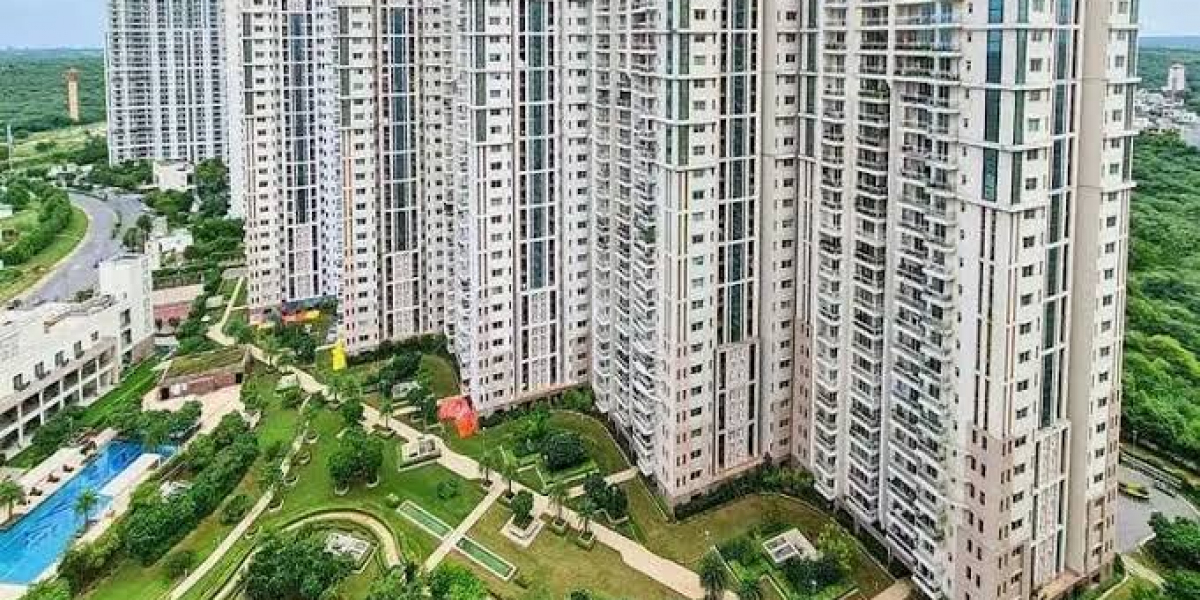 Mastering the Asset: Technical Infrastructure, Micro-Market Value, and Structural Layouts at DLF Park Place
This deep dive focuses on the granular technical infrastructure, exact structural layouts, and macro-economic factors that explain why this specific project maintains a massive edge over its competition in 2026.
-
 Brand Identity and Tenant Experience: Cultivating Loyalty at Elan Empire Gurgaon
Securing high occupancy in a premium high-street asset is only half the battle. For long-term viability, property management and individual investors must shift their focus to building tenant loyalty and creating a distinctive brand identity.
-
 Master Review: Evaluating Godrej Nature Plus, Sector 33, Gurgaon
The layout uses a smart structural pattern where towers are angled away from each other. This creates a staggered footprint that gives corner apartments clear, unblocked views of the Aravalli foothills while ensuring optimal morning and afternoon sunlight. Inside the towers, the floor plan
-
 BPTP Downtown 66: A Masterpiece of Vertical Luxury in Sector 66
BPTP Downtown 66 has emerged as one of the most anticipated high-rise developments on the Golf Course Extension Road. Designed by the globally acclaimed architectural firm Aedas, this project is not just a residential complex but a vertical ecosystem where luxury meets functionality.
-
 Aesthetic Clinic in Australia | Beauty Clinic in Carolina | PM Aesthetics
Discover a trusted aesthetic clinic in Australia and a professional beauty clinic in Carolina. PM Aesthetics offers advanced skincare, cosmetic treatments, and personalized beauty solutions.
-
 The Masterful Synergy at Signature Global Tonino Lamborghini
Signature Global Tonino Lamborghini Residences represents a ₹2,890 crore synergy of Italian supercar aesthetics and Indian engineering excellence in Sector 71.
-
 Sidewalk Repair NYC: A Complete Guide for Property Owners
Sidewalks in New York City endure constant wear and tear due to heavy foot traffic, extreme weather conditions, and tree root growth. Over time, cracks, uneven surfaces, and potholes can develop. These issues not only create an unpleasant appearance but also pose serious safety hazards for
-
 Why Natural Stone Wall Panels Are Becoming the First Choice for Modern Interiors
Discover why natural stone wall panels are becoming a top choice for modern interiors and exteriors. Learn about their durability, aesthetic appeal, and versatile applications for residential and commercial spaces.


