Creating a Culture of Health: Strategies for Implementing Workplace Wellness Initiatives


In today's fast-paced and stressful work environment, it has become increasingly important for companies to prioritize the health and well-being of their employees. By implementing workplace wellness initiatives, companies can not only improve the overall health of their workforce but also boost productivity, morale, and employee retention. In this article, we will discuss some strategies for creating a culture of health in the workplace through the implementation of wellness programs.
The Benefits of Workplace Wellness Programs
Before diving into strategies for implementing a company wellness program, it is important to understand the benefits that these programs can bring to both employees and employers. Company wellness programs have been shown to reduce healthcare costs, decrease absenteeism, improve employee engagement, and enhance company culture. By investing in the health and well-being of their employees, companies can create a more positive and productive work environment.
Strategies for Implementing Workplace Wellness Initiatives
- Employee Needs Assessment: Before implementing any wellness program, it is important to conduct a thorough assessment of employee needs and preferences. This could include surveys, focus groups, or one-on-one interviews to gather feedback on what types of wellness initiatives would be most beneficial and engaging for employees.
- Creating a Wellness Committee: Forming a wellness committee composed of employees from different departments and levels within the organization can help ensure that the needs of all employees are taken into account when developing wellness initiatives. This committee can also help with the planning, implementation, and evaluation of wellness programs.
- Offering a Variety of Programs: To cater to the diverse needs and interests of employees, companies should consider offering a variety of wellness programs. This could include fitness classes, healthy eating workshops, mental health resources, stress management seminars, and financial wellness education.
- Promoting Work-Life Balance: Encouraging employees to maintain a healthy work-life balance is essential for overall well-being. Companies can support work-life balance by implementing flexible work schedules, providing opportunities for remote work, and promoting time off for vacation and personal days.
- Incentivizing Participation: To encourage employees to participate in wellness programs, companies can offer incentives such as gift cards, extra vacation days, or discounts on health insurance premiums. Incentives can help motivate employees to take advantage of the wellness initiatives available to them.
- Measuring Results and Adjusting Programs: It is important to continuously evaluate the effectiveness of workplace wellness programs by collecting data on participation rates, health outcomes, and employee feedback. Based on this data, companies can make adjustments to their programs to better meet the needs of their employees.
Conclusion
Creating a culture of health in the workplace through the implementation of wellness initiatives is essential for promoting the overall well-being of employees and improving company performance. By following the strategies outlined in this article, companies can develop effective and engaging wellness programs that benefit both employees and employers alike. Prioritizing the health and well-being of employees is not only a smart business decision but also a moral imperative in today's work environment.
sharma Piyush
41 posts
-
 Bendamustine for Scientific Research: Mechanism, Applications, and Research Uses
This article provides a detailed overview of Bendamustine, a unique chemotherapeutic agent characterized by its hybrid structure that combines a nitrogen mustard group with a purine-like benzimidazole ring. It explores the drug's dual mechanism of action—including DNA crosslinking
-
 Advanced MERS-CoV Animal Models to Accelerate Coronavirus Vaccine and Drug Development
Advanced MERS-CoV Animal Models to Accelerate Coronavirus Vaccine and Drug Development
-
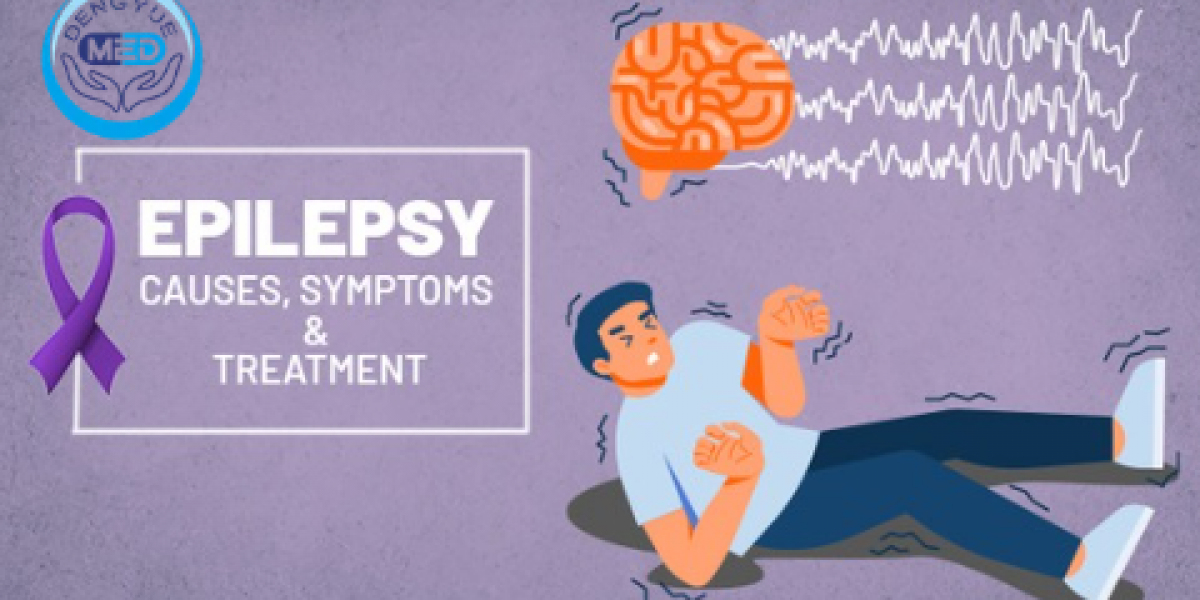 Could Staring Spells and Hand Tremors Be Epilepsy?
Discover 9 common misconceptions about epilepsy, including seizure symptoms, causes, treatment options, medication management, and seizure first aid. Learn the facts about epilepsy and improve awareness to support patients and families.
-
 How Women Long Sleeve Hoodies Redefine Tactical Streetwear Fashion
Women Long Sleeve Hoodies have transformed from simple wardrobe essentials into defining pieces of tactical streetwear fashion. Their evolution reflects a broader shift in how clothing is perceived—not just as a necessity, but as an extension of personality and lifestyle.
-
 Elevate Your Health with Natural Therapies in Oceanside
Discover natural healing at an Acupuncture Clinic Oceanside and a trusted Holistic Wellness Center Oceanside for stress relief, pain management, and total wellness.
-
 Get 10% Off Reliable ED Medicines with Medsvilla Special Deal
These medicines are commonly prescribed and widely used for managing ED symptoms effectively when used under proper medical guidance.
-
 How to Get a Hydrocodone Prescription
Online via Telehealth (Safe & Legal Guide)This guide explains how to safely and legally get a hydrocodone prescription via telehealth,
along with key legal rules and safety precautions. -
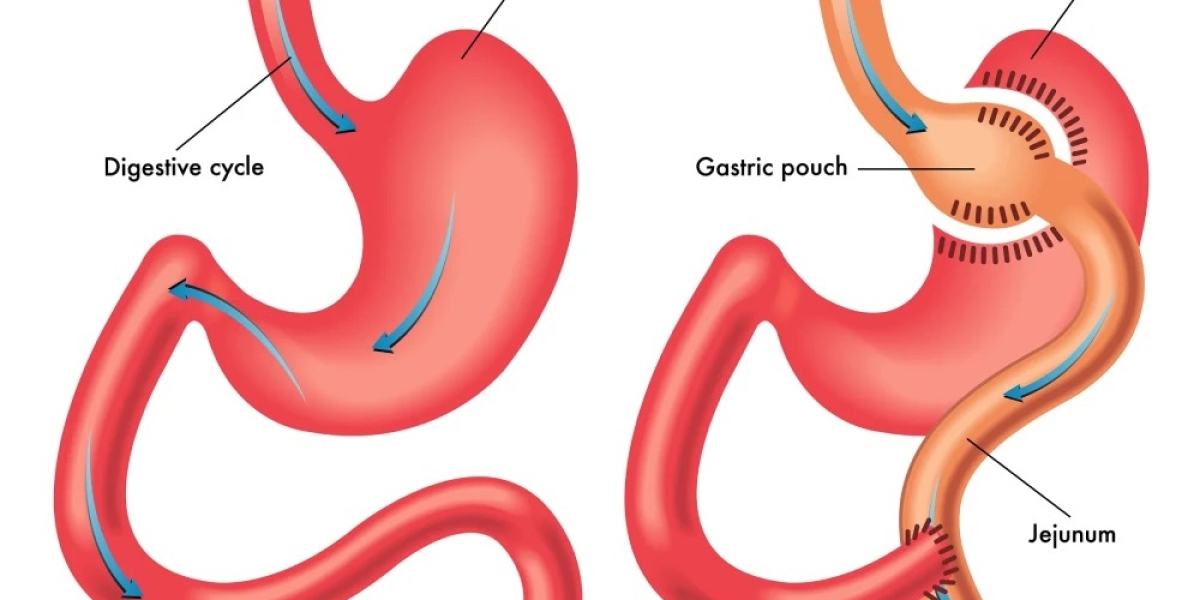 Transform Your Health with Advanced Surgical Solutions in Houston
Invest in your future. Choose Houston. Choose life-changing care.
-
 Unlocking Wellness: Functional Lab Testing & Nutraceutical Care in Columbia
Your path to balance, vitality, and healing starts here.
-
 How Modern Medical Equipment in Train Ambulance Ensures Patient Stability
Discover how advanced ICU equipment in Train Ambulance Service in Patna ensures patient stability during long-distance transfers with ventilators, monitors & expert care.
-
 Women’s Testosterone Dosage: What You Should Know
Testosterone isn’t just for men — it’s also a key hormone for women. When balanced properly, it supports energy, mood, muscle tone, mental clarity, and sexual wellness.


