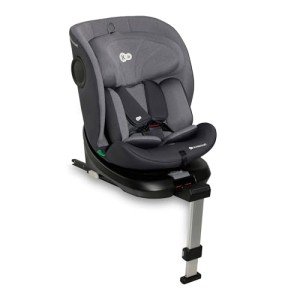
Understanding Pushchairs and Prams: A Comprehensive Guide
When it comes to baby movement, the terms "pushchair" and "pram" are typically utilized interchangeably. Nevertheless, they represent distinct kinds of baby providers, each engineered for specific phases of a kid's advancement and differed adult requirements. This short article digs into the vital distinctions in between pushchairs and prams, their functions, types, and considerations for new moms and dads.
What is a Pushchair?
A pushchair, commonly referred to as a stroller in some areas, is developed for children who can sit up individually. Normally, pushchairs are modern-day, lightweight, and have a seat that can be reclined for added convenience. They may also feature a five-point harness to ensure the kid's security while on the go.
Secret Features of Pushchairs
- Lightweight Design: Most pushchairs are made from lighter products, making them simple to steer and transfer.
- Adjustable Seats: Many designs use recline options, dealing with resting or active positions.
- Canopy: Most pushchairs come equipped with a sunshade or canopy to safeguard the child from sun exposure.
- Storage Space: They normally include a lower storage basket, ideal for holding diaper bags or shopping.
Common Types of Pushchairs
- Requirement Pushchairs: Traditional alternatives suitable for kids who can sit independently.
- Umbrella Strollers: Lightweight, compact, and easy to fold; suitable for traveling.
- All-Terrain Strollers: Built with larger wheels for off-road capabilities and smooth rides on diverse surface areas.
- Travel Systems: Combines a stroller and an infant safety seat, permitting moms and dads to move their child flawlessly.
What is a Pram?
A pram store near me, short for "perambulator," is primarily created for babies, generally from birth till around six months. Prams are structured with a flat lying position that supports a newborn's anatomy, ensuring they are nestled properly.
Key Features of Prams
- Flat Bed Design: Prams have a fully flat bed, which is essential for young babies who need to lie flat for convenience and health.
- Stylish Aesthetics: Many prams boast vintage or timeless designs, frequently seen with elegant materials and attractive finishes.
- Suspension System: Quality prams often consist of a suspension system to provide a smoother ride over rough terrain.
- Extended Canopy: Extended sun protection and rain covers prevail.
Typical Types of Prams
- Traditional Prams: Featuring a conventional style, these are frequently styled to stimulate fond memories.
- Convertible Prams: These can rapidly switch from a pram centre to a pushchair and usually grow with the kid.
- Lightweight Prams: More compact than traditional prams, making them much easier to transport.
Distinctions Between Pushchairs and Prams
| Function | Pushchair | Pram |
|---|---|---|
| Usage Case | For children who can sit up | For newborns and infants |
| Style | Upright seat with reclining alternative | Flat bed for resting |
| Weight | Generally lighter | Much heavier due to tough construction |
| Compactness | Folds easily and compactly | Might be bulkier, depending on design |
| Age Range | 6 months to 4 years or older | Birth to around 6 months |
| Rate Range | More cost effective options available | Often more expensive due to materials and style |
Choosing Between a Pushchair and Pram
When choosing in between a pushchair and a pram, several factors necessitate factor to consider:
- Age of the Child: Newborns need a pram; older babies and toddlers will be more comfortable in a pushchair stroller.
- Lifestyle Needs: Parents who travel often may choose lightweight pushchairs, while those looking for convenience in design may lean towards prams.
- Budget: Prams can range from reasonably to pricey; credible pushchairs can cater to budget-conscious shoppers.
- Storage Space: Consider how easily the chosen design can suit your car trunk or home storage.
FAQs
Q1: Can I use a pushchair for a newborn baby?
While specific pushchairs are created with reclining functions that may accommodate infants, it is normally suggested to utilize a pram shops near me or specially created baby safety seat for newborns.
Q2: Are travel systems worth the investment?
Travel systems can offer benefit by integrating a vehicle seat and a stroller. They permit seamless transition from cars and truck to stroller, which many moms and dads find indispensable.
Q3: How do I keep my pushchair or pram?
Regularly tidy the material, check for mechanical problems, and lubricate the wheels. Ensure to follow specific care instructions offered by the maker.
Q4: What is the weight limit for pushchairs and prams?
Weight limitations differ by model: usually, pushchairs prams accommodate approximately 50 lbs, while prams fit babies as much as 30 pounds. Always refer to the maker's guidelines.
Q5: Is it vital to have a rain cover for my pushchair or pram?
Yes, a rain cover can secure your child from rain and wind, keeping comfort while avoiding wet clothing.
In summary, pushchairs and prams serve crucial however distinct functions in the movement landscape for moms and dads and caretakers. Picking the right design depends upon the kid's age, lifestyle requirements, and household preferences. By understanding the attributes, advantages, and distinctions in between pushchairs and prams, moms and dads can make educated decisions that make sure comfort and security for their child. Whether strolling through the park or browsing busy streets, the best mobility solution is out there waiting.

Huynhnam Boss
23 posts
-
 Why DLF The Crest is Golf Course Road’s Most Rational Move
DLF The Crest serves as a strategic, move-in-ready "bridge to luxury" on Gurgaon's Golf Course Road, offering top-tier amenities and high rental yields at a more rational price point than its super-luxury neighbors.
-
 Complete Guide to All 16 Chase Packs in MLB The Show 26
If you have been grinding Diamond Dynasty lately, you know exactly how much weight the words "Chase Pack" carry.
-
 Sahil e Firdous: Beach Resort in Karachi You Need to Experience
When it comes to finding the perfect beach resort Karachi has to offer, the search ends at Sahil e Firdous.
-
 Exploring the "12% Advantage" at Emaar India Business Centre
Emaar India Business Centre in Sector 61 combines financial intelligence with world-class design, offering a 12% assured return to investors alongside flexible Grade-A office layouts.
-
 Why Sobha Crescent is Gurugram’s Quietest Achievement
Sobha Crescent prioritizes "the luxury of silence" through advanced acoustic engineering, double-glazed insulation, and a "no-shared-wall" design that shields interiors from urban noise.
-
 Sobha Rivana: The "Billionaire’s Row" of Greater Noida West
Sobha Rivana is a premier ultra-luxury development in Sector 1, Greater Noida West, featuring eight majestic G+45 towers with a unique river-themed landscape and a massive 50,000 sq. ft. clubhouse.
-
 Hiện tại các kiểu vest chú rể phổ biến nhất
Vest cổ điển với màu đen, xanh navy thiết kế đơn giản nhưng sang trọng. Đây là sự lựa chọn an toàn nhờ trang phục có thể phù hợp hầu hết mọi không gian tiệc cưới.
-
 vest nam tphcm
Vest cưới thường được lựa chọn cẩn thận hơn so với các loại vest thông thường. Từ màu sắc, chất liệu vải cho đến kiểu dáng đều được cân nhắc để phù hợp với phong cách của buổi lễ. Một bộ vest cưới đẹp không ch
-
The lone immovable item upon the Cincinnati Reds roster
The lone immovable item upon the Cincinnati Reds roster
-
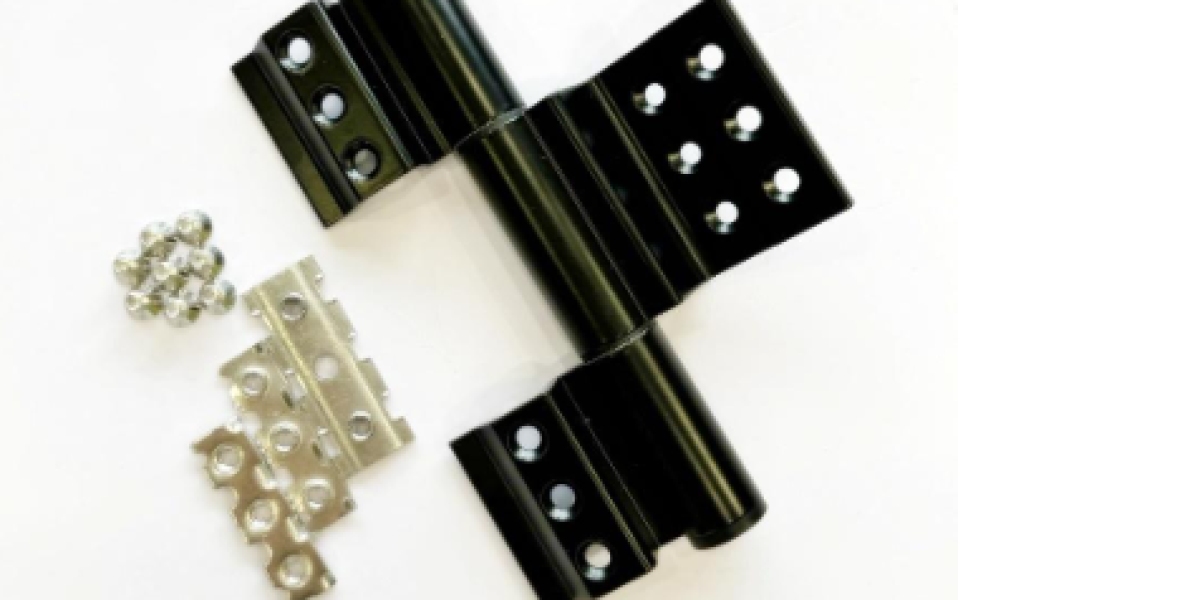 Ứng dụng thực tế đa dạng của bản lề cối
Bản lề cối là dạng bản lề rời được cấu tạo hai phần: một cối đực và một cối cái. Khi lắp đặt, hai phần này khớp với nhau tạo thành trục xoay giúp cánh cửa vận hành chính xác và mượt mà. Điểm đặc trưng nổi bật c
-
 How to Apply for a Congo Visa from Dubai
Learn how to apply for a Congo visa from Dubai with ease. Step-by-step guide, requirements, and tips for UAE travelers to get their Congo travel visa smoothly.


