The demand for skilled domestic electricians in the UK has never been higher. With more households upgrading wiring, fitting EV chargers, adopting smart home systems, and improving overall electrical safety, the industry continues to open its doors to new learners and career changers. As a result, training centres like Elec Training have introduced multiple learning routes tailored to different experience levels and career goals. But the big question many learners ask is: What’s the Difference in Our Domestic Electrician Routes?
This article breaks down everything you need to know in a simple, human-friendly way. Whether you’re starting from scratch or you already have some experience, understanding these routes will help you choose the one that fits your pace, background, and ambitions. Platforms such as www.elec.training make this journey even smoother by offering guidance, structured learning, and flexible study options.
Why Different Domestic Electrician Routes Exist
Not every learner enters the electrical industry with the same level of knowledge or confidence. Some people have never touched a tool before, while others may already be working in construction or a related trade. To address all these different starting points, training providers have developed separate tracks—or routes—to help learners gain the right skills in the most efficient way.
By offering multiple routes, Elec Training ensures that:
- Beginners get strong basics without feeling overwhelmed
- Intermediate learners can fast-track their qualifications
- Advanced learners can specialise quickly
- Everyone gets practical, industry-ready skills
In the electrical sector, the route you choose ultimately shapes how quickly you become competent, confident, and employable.
1. The Beginner Route: Ideal for New Starters
This route is designed for people with little to no electrical experience. It gives learners a strong foundation in domestic electrical work and gradually builds your skills. If you are brand new to the trade, this route is your safest, most supportive starting point.
What You Learn
- Electrical principles and terminology
- Safety rules and regulations
- Basic domestic installation skills
- Circuit understanding
- Safe isolation procedures
- Introduction to tools and equipment
Who Should Choose This Route?
- Total beginners
- Career changers from non-technical fields
- People unsure about electrical work but eager to try
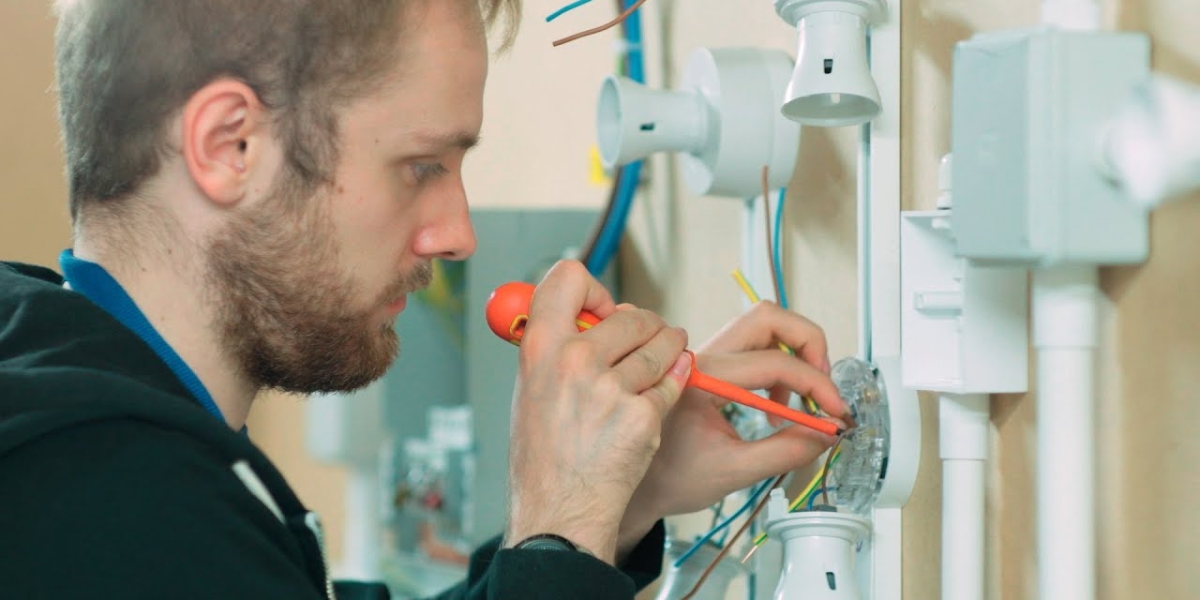
This path includes longer training sessions, more hands-on practice, and additional support to make sure you fully understand every concept before moving forward.
2. The Fast-Track Domestic Installer Route
This route is perfect for people who already have some knowledge or practical background—perhaps through construction work, DIY experience, or assisting electricians in the past.
What You Learn
The content is similar to the beginner route but accelerated, focusing on:
- Wiring and cabling
- Installation of domestic circuits
- Consumer units (fuse boards)
- Earthing and bonding
- Testing and inspection essentials
Who Should Choose This Route?
- Individuals familiar with tools
- People with partial electrical experience
- Tradespeople such as plumbers, handymen, or gas engineers
The fast-track route gets you qualified quicker, but it assumes you’re comfortable with hands-on work.
3. The Professional Domestic Electrician Route
This route is designed for learners who want the full package—everything they need to become a competent, confident domestic electrician able to work safely, independently, and professionally.
What You Learn
- Full domestic installation training
- Inspection & testing
- 18th Edition Wiring Regulations
- EV charger installation (offered by many centres)
- Practical onsite skills
- Fault finding and safety management
This is the most comprehensive route.
Who Should Choose This Route?
- Learners aiming to start their own business
- Future landlords’ electricians
- Individuals who want to complete all major qualifications in one go
- People planning to join Competent Person Schemes
This route gives you the strongest career outlook and the broadest skillset.
4. The Specialist Add-On Route
Some learners are already qualified or near-qualified but want to add specialist skills to boost their career opportunities. Specialist add-ons may include:
- EV charger installation
- Inspection & testing
- Smart home wiring
- Solar PV
- Battery storage
Training providers like Elec Training offer these modules to help domestic installers expand their services and increase their earning potential.
What Makes These Routes Different?
The biggest differences among the routes come down to
✔ Level of difficulty
Beginner routes start with the basics; advanced routes dive deep into technical skills.
✔ Duration of study
Beginner routes take longer, while fast-track and professional routes speed up the process.
✔ Entry requirements
Beginners don’t need any experience, while fast-track routes expect some familiarity.
✔ Qualification depth
Professional routes offer the complete set of skills needed for domestic work.
✔ Career outcome
Some learners just want to gain basic competence, while others want to build full-time electrician careers.
Why Choosing the Right Route Matters
Electrical training isn’t something to rush. Choosing the right route determines your confidence, safety, and future success. No one wants to be on a job feeling unsure about wiring or testing—it puts both the installer and customer at risk.
This is why proper guidance from experienced trainers is crucial. As Charanjit Mannu, Director at Elec Training, warned,
“Picking the wrong route can slow your progress or leave you without the essential skills needed to work safely in domestic environments.”
That’s why learning platforms like Elec Training and resources on www.elec.training help you understand your starting level and provide support in choosing the most suitable path.
Which Route Is Best for You?
Here’s a quick summary to help you pick:
Choose the Beginner Route if:
- You’re totally new
- You want slow, steady learning
- You need extra support
Choose the Fast-Track Route if:
- You have some practical background
- You’re comfortable with tools
- You want to qualify quickly
Choose the Professional Route if:
- You want a full electrician career
- You plan to work independently
- You want all major domestic qualifications in one package
Choose Specialist Add-Ons if:
- You already have core qualifications
- You want to expand your services
- You’re targeting higher earnings
Conclusion
The domestic electrical industry is one of the most rewarding fields to enter today, offering long-term job security, consistent demand, and excellent earning potential. But your journey starts with choosing the right training route—one that matches your level of experience and your career goals.
Whether you’re a complete beginner or someone looking to specialise, Elec Training and the resources available through www.elec.training give you all the tools, support, and structure you need to succeed. With expert guidance, practical learning, and flexible pathways, you can confidently build your future as a skilled domestic electrician.

Dorris Williams
9 posts
-
 Tăng trưởng kinh tế TP HCM nửa năm 2026 đạt 8,55%, nhờ động lực từ dịch vụ và FDI
Kinh tế TP HCM tăng trưởng mạnh trong nửa đầu năm 2026, nhờ sự phục hồi của các ngành dịch vụ và công nghệ.
-
 FCA ordered to partly suspend car finance compensation scheme
Court orders financial watchdog to halt parts of £9.1bn scheme until challenges are heard, delaying payouts
-
 US employers added just 57,000 new jobs in June, lower than expected
The country’s unemployment rate dropped slightly to 4.2% as US job growth also slowed for the month
-
 Thanh khoản thị trường chứng khoán thấp, cơ hội đầu tư nửa cuối năm ở đâu?
Thị trường chứng khoán tiếp tục giao dịch ở mức thanh khoản thấp, đồng thời đưa ra khuyến nghị cho nhà đầu tư nửa cuối năm.
-
 Fans in short supply as next UK heatwave approaches, says Currys
Retailer says sharp rise in fan sales over the latest heatwave weekend left stores scrambling to source stock
-
 All the whey up! A dairy byproduct is now the star of the ‘proteinmaxxing’ boom – but is demand too high?
As GLP-1s drive the current protein craze, a supplement once only taken by powerlifters is now so popular US producers are struggling to keep up
-
 Bankers and unions set for clash over possible Burnham tax raid on UK banks
City bosses say move would be economically disastrous, but union leaders urge likely new PM to ignore ‘vested interests’
-
 EU áp phí tối thiểu cho kiện hàng nhỏ từ các sàn TMĐT Trung Quốc, ảnh hưởng đến xuất khẩu
EU áp dụng phí tối thiểu 3 euro cho kiện hàng từ Trung Quốc nhằm hạn chế cạnh tranh không công bằng từ các sàn thương mại điện tử.
-
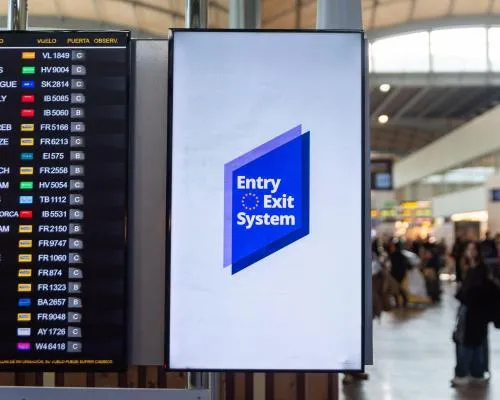 What are the new EU border checks and how will they affect your summer holiday?
Security checks due to new digital entry and exit system have caused delays and missed flights for holidaymakers
-
 UK cost of living squeeze eases after record fall in diesel prices, and drop in mortgage rates – business live
Rolling coverage of the latest economic and financial news
-
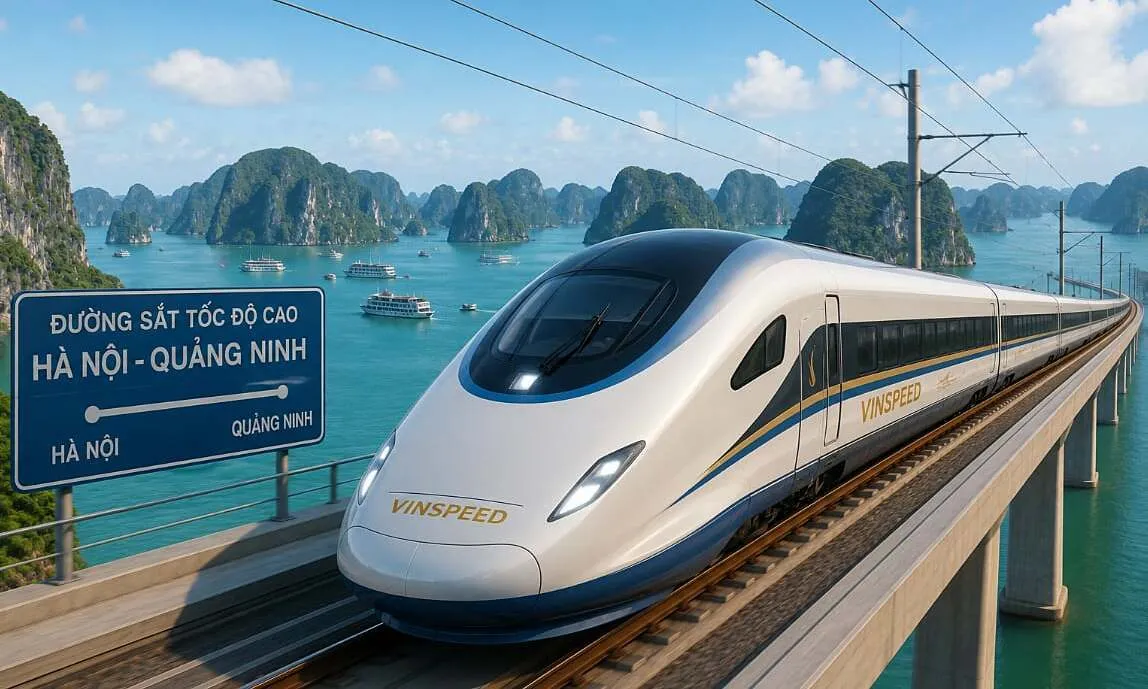 Vinhomes gia nhập liên doanh vận hành tuyến đường sắt cao tốc Hà Nội - Quảng Ninh
Vinhomes tham gia đầu tư vào dự án đường sắt cao tốc Hà Nội - Quảng Ninh cùng VinSpeed, với tổng mức đầu tư gần 150.000 tỷ đồng.


