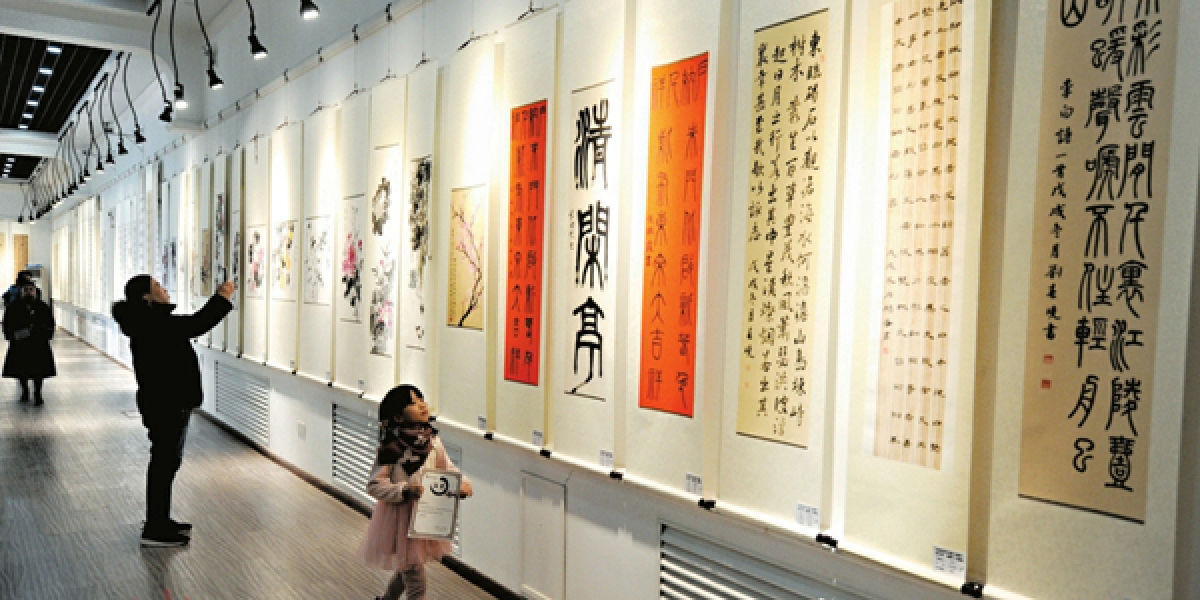
What is Chinese art calligraphy, and how has it evolved over centuries
Chinese art calligraphy is not just an art form; it’s a profound cultural expression, steeped in history, philosophy, and tradition. For over two millennia, Chinese calligraphy has been regarded as one of the highest forms of artistic expression. The art of writing Chinese characters is not only an essential mode of communication but also a means of expressing one’s inner thoughts, emotions, and aesthetic sensibility. From the early forms of inscription to the refined brushwork of modern times, the development of Chinese art calligraphy has been both a personal and collective journey, reflecting the changes in Chinese society, culture, and even political power.
The Origins of Chinese Calligraphy
Chinese calligraphy traces its origins to the early stages of Chinese civilization, around 3,000 to 4,000 years ago. The first written symbols were used during the Shang Dynasty (c. 1600–1046 BCE), with inscriptions found on oracle bones used for divination. These early symbols were not yet characters as we know them today but rather pictographs and ideographs, simple drawings representing objects or ideas. Over time, these evolved into more abstract forms, moving from simple images into complex symbols.
During the Zhou Dynasty (1046–256 BCE), the development of written language was further refined, especially through the use of bronze inscriptions, which were crucial in recording historical events. This period marked the beginning of the transition from pictorial writing to the more standardized written characters that would eventually shape the foundation of Chinese art calligraphy.
Calligraphy’s Role in Chinese Culture
Unlike Western traditions, where calligraphy is often considered an auxiliary art form, in China, it occupies a central place. The beauty of the written word is considered an outward expression of an individual's character and intellect. Chinese calligraphy has always been seen as a way of cultivating moral and intellectual virtues. It is said that the skill of writing well reflects the purity of one’s heart and mind. In fact, the practice of calligraphy has been deeply intertwined with Chinese philosophy, particularly Confucianism, which emphasizes self-cultivation, discipline, and the importance of one's inner state.

Throughout history, Chinese calligraphy has been considered an essential part of education, and it played a pivotal role in the examination system used for selecting government officials. The ability to write beautifully and fluidly in calligraphy was seen as a sign of one’s cultural refinement, intellectual capability, and moral integrity.
The Evolution of Calligraphy Styles
Over the centuries, various styles of Chinese calligraphy have emerged, each representing different periods, regions, and schools of thought. The following are some of the major styles that have shaped the evolution of Chinese art calligraphy:
1. Seal Script (篆书)
Seal Script is one of the earliest forms of Chinese calligraphy. It emerged during the Qin Dynasty (221–206 BCE) when the First Emperor of China, Qin Shi Huang, unified the country. Seal Script is characterized by its rounded and intricate strokes. It was primarily used for carving seals, which were used to mark official documents and signify the authority of the state. The Seal Script remains one of the most revered styles for its historical significance and its distinctive appearance.
2. Clerical Script (隶书)
As China entered the Han Dynasty (206 BCE–220 CE), a more streamlined and practical form of writing known as Clerical Script began to gain popularity. This script is easier to write than the Seal Script, with more pronounced, angular strokes and a simplified structure. Clerical Script marked a turning point in the development of Chinese calligraphy, making it more accessible to a wider range of people while still maintaining an air of elegance.
3. Regular Script (楷书)
Regular Script, also known as Standard Script, is the style that most modern Chinese characters are based on. It became prominent during the Tang Dynasty (618–907 CE), particularly through the efforts of famous calligraphers such as Ouyang Xun and Yan Zhenqing. Regular Script is characterized by balanced, upright strokes and clear structure, making it suitable for both personal and official writing. The simplicity and clarity of this script have contributed to its lasting popularity in modern times, both in China and abroad.
4. Running Script (行书)
Running Script emerged as a more fluid and cursive style, allowing for faster writing while still retaining the legibility of Regular Script. This style is often seen in informal writing and is known for its graceful, sweeping strokes that link characters together in a flowing manner. Running Script is particularly favored by modern calligraphers who seek to convey a sense of movement and vitality in their work.
5. Cursive Script (草书)
Cursive Script is the most abstract and artistic of all Chinese calligraphy styles. It is known for its rapid, free-flowing brushstrokes, which often cause characters to blend into one another. While this style can be difficult to read for those unfamiliar with it, its beauty lies in the expressive power of its form. Cursive Script is often used in personal letters, poetry, and works of art, where the emphasis is on capturing the emotions and fluidity of the written word.
Calligraphy and Art in Chinese Culture
Calligraphy is closely linked to other forms of Chinese art, such as painting and poetry. In fact, the three are often combined in a single work of art, creating a harmonious balance between text and image. The brushwork in calligraphy is similar to that in traditional Chinese painting, both requiring a deep understanding of balance, space, and rhythm.
In Chinese art, the integration of calligraphy and painting has long been a celebrated tradition. Many calligraphers were also skilled painters, and their works often featured both calligraphy and visual imagery. The brushstroke techniques used in both calligraphy and painting require a delicate balance of pressure, speed, and control, resulting in a dynamic and expressive visual language.
Chinese Calligraphy in Modern Times
Despite the technological advancements in writing and printing, Chinese calligraphy has not only survived but flourished in modern times. Today, it remains a vital part of Chinese culture, with countless calligraphers practicing and preserving this ancient art form. Modern Chinese calligraphy has seen the development of new styles and interpretations, with contemporary artists incorporating elements of abstraction, surrealism, and even Western influences.
At the same time, traditional forms of Chinese calligraphy are still highly respected. Calligraphy schools and exhibitions continue to celebrate and promote this cultural heritage, and many Chinese people still learn calligraphy as part of their education. The revival of interest in Chinese calligraphy is also reflected in the growing international appreciation for the art, with exhibitions and collections showcasing the works of both classical and modern calligraphers around the world.
Conclusion
Chinese art calligraphy is more than just a way of writing; it is a deeply rooted cultural and artistic tradition that spans millennia. From its humble beginnings as simple pictographs to the refined, expressive brushstrokes seen in modern works, Chinese calligraphy has evolved and adapted to the changing needs and tastes of society. Yet, despite these changes, the core of Chinese calligraphy remains the same: the pursuit of beauty, self-expression, and the embodiment of a rich cultural heritage. Whether practiced as a hobby or revered as a high art form, Chinese calligraphy will continue to inspire and captivate those who encounter its timeless elegance.
john carter
31 posts
-

The Timeless Appeal of DLF Park Place Sector 54 Gurgaon: A Living LegacyLiving at DLF Park Place Sector 54 Gurgaon means becoming part of an established, sophisticated, and close-knit neighborhood. The clubhouse acts as the center of social activity, hosting everything from fitness sessions and sporting events to community gatherings.
-
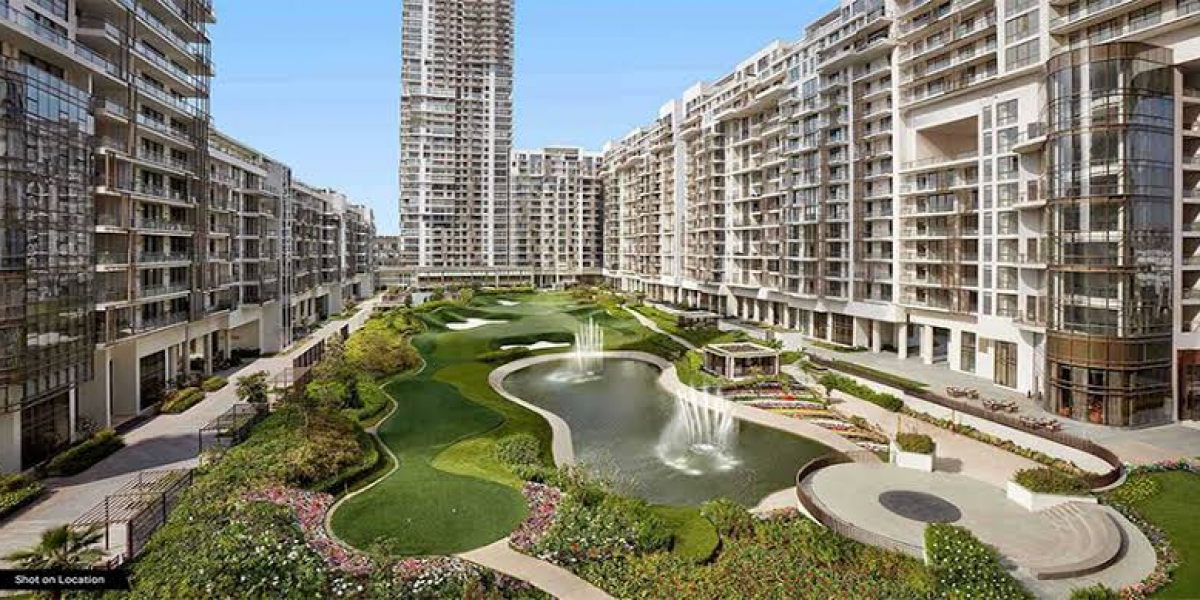
Redefining Luxury: The Iconic M3M Golf Estate, Sector 65In the bustling landscape of Gurugram, few addresses command the same level of prestige and architectural grandeur as M3M Golf Estate, Sector 65. As one of the most prominent residential landmarks along the Golf Course Extension Road, this project has effectively transformed the concept of
-

Redefining Ultra-Luxury: A Deep Dive into Whiteland Westin Residences, Sector 103, GurgaonIn the heart of the rapidly evolving Dwarka Expressway corridor, a new benchmark for premium living has emerged. Whiteland Westin Residences, located in Sector 103, Gurgaon, isn't just a residential project—it is a landmark collaboration that brings the world-renowned hospitality o
-
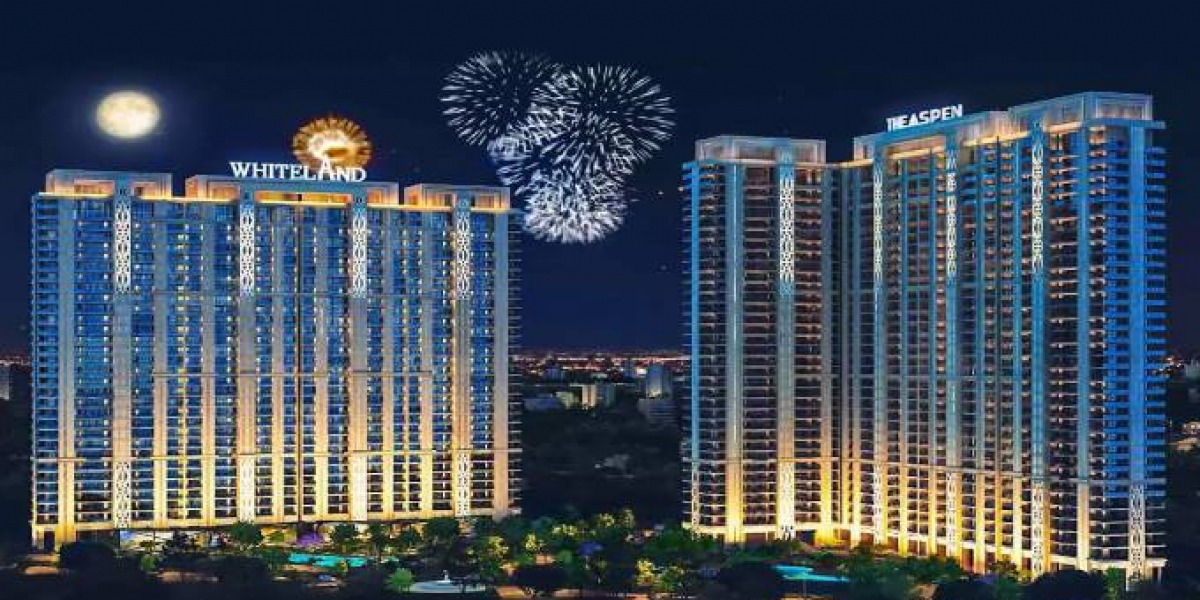
Green Engineering and Health Optimization at Whiteland The AspenTo address this, Whiteland Corporation integrated specialized CTMA3 Air Purification technology into the core building systems. This central air infrastructure works continuously to treat, filter, and circulate air throughout enclosed common areas, double-height entrance lobbies, and tower
-

Mastering the Asset: Technical Infrastructure, Micro-Market Value, and Structural Layouts at DLF Park PlaceThis deep dive focuses on the granular technical infrastructure, exact structural layouts, and macro-economic factors that explain why this specific project maintains a massive edge over its competition in 2026.
-
Brand Identity and Tenant Experience: Cultivating Loyalty at Elan Empire GurgaonSecuring high occupancy in a premium high-street asset is only half the battle. For long-term viability, property management and individual investors must shift their focus to building tenant loyalty and creating a distinctive brand identity.
-
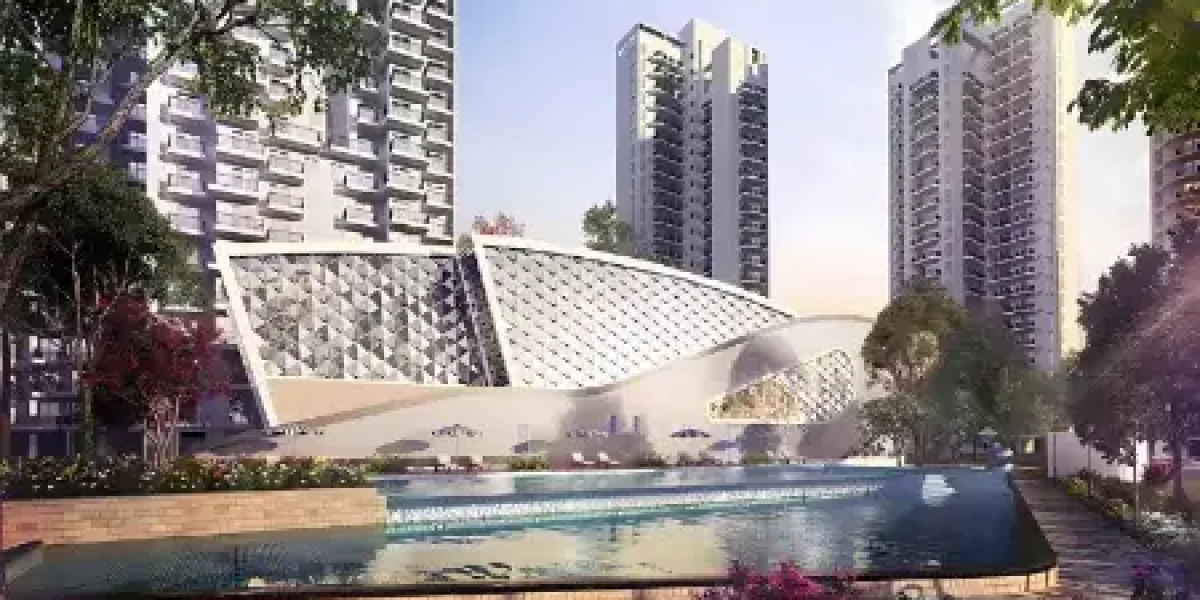
Master Review: Evaluating Godrej Nature Plus, Sector 33, GurgaonThe layout uses a smart structural pattern where towers are angled away from each other. This creates a staggered footprint that gives corner apartments clear, unblocked views of the Aravalli foothills while ensuring optimal morning and afternoon sunlight. Inside the towers, the floor plan
-
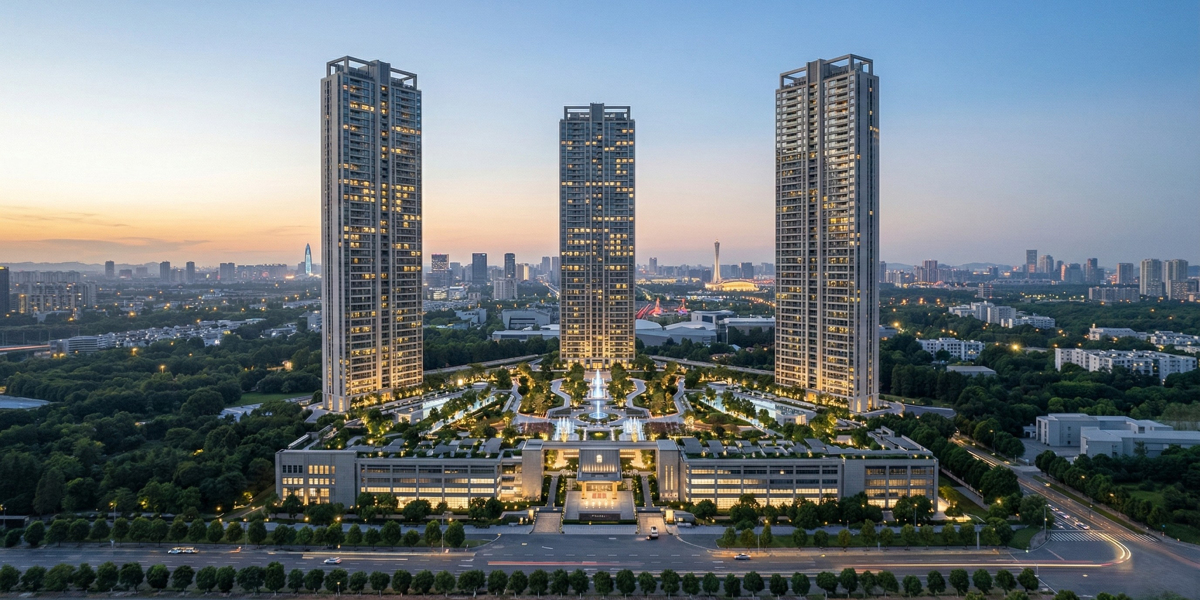
BPTP Downtown 66: A Masterpiece of Vertical Luxury in Sector 66BPTP Downtown 66 has emerged as one of the most anticipated high-rise developments on the Golf Course Extension Road. Designed by the globally acclaimed architectural firm Aedas, this project is not just a residential complex but a vertical ecosystem where luxury meets functionality.
-
Aesthetic Clinic in Australia | Beauty Clinic in Carolina | PM AestheticsDiscover a trusted aesthetic clinic in Australia and a professional beauty clinic in Carolina. PM Aesthetics offers advanced skincare, cosmetic treatments, and personalized beauty solutions.
-
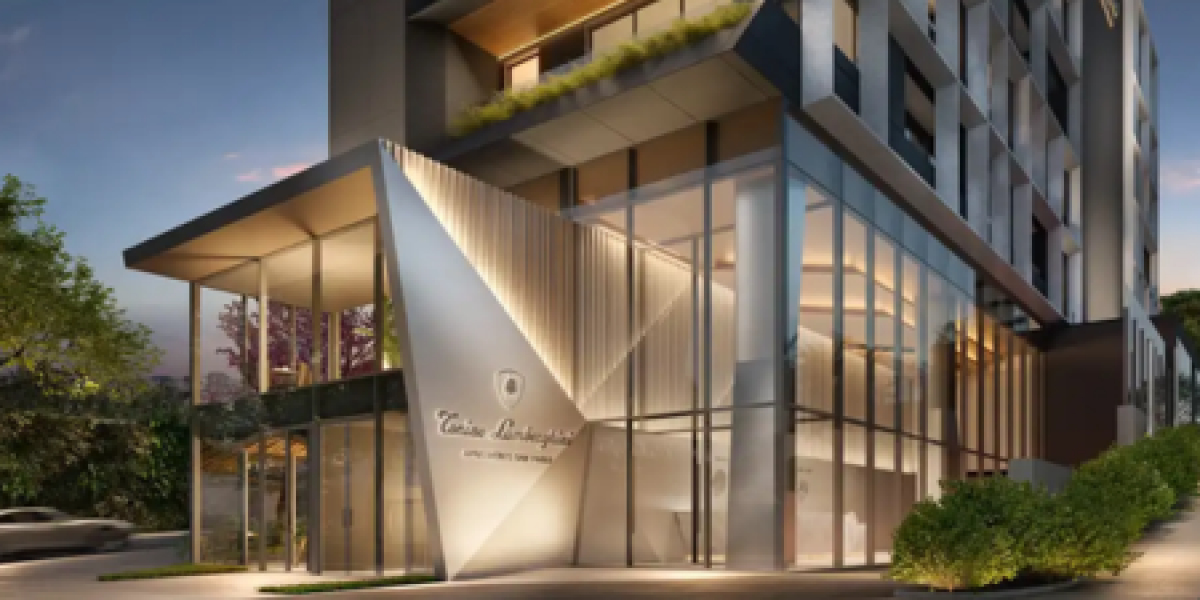
The Masterful Synergy at Signature Global Tonino LamborghiniSignature Global Tonino Lamborghini Residences represents a ₹2,890 crore synergy of Italian supercar aesthetics and Indian engineering excellence in Sector 71.
-
Sidewalk Repair NYC: A Complete Guide for Property OwnersSidewalks in New York City endure constant wear and tear due to heavy foot traffic, extreme weather conditions, and tree root growth. Over time, cracks, uneven surfaces, and potholes can develop. These issues not only create an unpleasant appearance but also pose serious safety hazards for


