The United States has long been a popular destination for international students seeking quality education, cultural experiences, and career opportunities. With its top-ranking universities, cutting-edge research facilities, and diverse student life, it's no surprise that many students worldwide dream of pursuing their higher education in the US. However, before packing your bags and heading to the land of opportunities, it’s essential to understand the visa requirements for studying in the US. In this guest post, we’ll take a deep dive into the visa application process, necessary documentation, and other important details that every student should know to study in the US.
Why Study in the US?
Before we delve into the visa process, let’s briefly touch on why studying in the US is such an attractive option for students. The US is home to some of the world’s most prestigious universities, such as Harvard University, Stanford University, and the Massachusetts Institute of Technology (MIT), offering a vast array of programs and research opportunities. The country’s diverse academic offerings, combined with the ability to gain real-world experience through internships and work opportunities, make it an ideal destination for students seeking both education and career growth.
Moreover, the multicultural environment in the US provides students with an opportunity to network globally, interact with people from different backgrounds, and develop a broader perspective on the world.
Types of US Student Visas
To study in the US, you will need to apply for a student visa. There are three main types of student visas issued by the US government:
F-1 Visa (Academic Student Visa): The F-1 visa is the most common visa for students who wish to pursue full-time academic programs, including degree programs at universities and colleges, high school programs, and language training courses. If you plan to study in the US at a recognized institution, the F-1 visa will most likely be your visa of choice.

Visa Requirements for Studying in the US M-1 Visa (Vocational Student Visa): The M-1 visa is for students who wish to attend non-academic or vocational programs, such as technical courses, culinary arts programs, or other specialized training that doesn’t lead to a degree. M-1 visas are typically granted for shorter periods than F-1 visas.
J-1 Visa (Exchange Visitor Visa): The J-1 visa is designed for students who are part of exchange programs sponsored by the US government or other exchange programs. This visa allows students to engage in cultural and educational exchange programs while pursuing academic studies. It’s particularly common for students involved in research or teaching assistant positions.
Steps to Apply for a Student Visa to Study in the US
Step 1: Get Accepted to a SEVP-Approved School
The first step to obtaining a student visa to study in US is to secure admission to a Student and Exchange Visitor Program (SEVP)-approved school. SEVP is a program run by the US Department of Homeland Security that ensures educational institutions meet specific standards for admitting international students.
Once you are accepted, the school will issue you a Form I-20, which is required for the visa application process. The Form I-20 verifies your acceptance into the school and outlines the program you will be studying. This form must be signed by both you and a designated school official before you proceed to the next step.
Step 2: Pay the SEVIS Fee
After receiving your Form I-20, you are required to pay the SEVIS (Student and Exchange Visitor Information System) fee. The SEVIS fee is used to fund the tracking system that monitors international students during their stay in the US. You can pay the SEVIS fee online, and you must keep the receipt as proof of payment for your visa interview.
Step 3: Complete the DS-160 Visa Application
The next step is to complete the DS-160 form, which is the online visa application form for all US non-immigrant visas, including student visas. You will be required to provide personal information, travel details, and background information as part of the DS-160 application. Once completed, you will receive a confirmation page with a barcode, which you need to print and bring to your visa interview.
Step 4: Schedule a Visa Interview
After completing the DS-160 form and paying the visa application fee, you must schedule a visa interview at the nearest US embassy or consulate. The visa interview is a critical step in the application process, and it’s important to be prepared. You can schedule an interview online or through the embassy’s website.
Keep in mind that there may be long waiting times for visa appointments, so it’s advisable to book your interview as early as possible to avoid delays in your application process.
Step 5: Prepare the Required Documents
For your visa interview, you will need to bring several important documents. These documents prove your eligibility for a student visa and support your application. The required documents typically include:
- Valid Passport: Your passport must be valid for at least six months beyond your intended stay in the US.
- Form I-20: The acceptance letter from your SEVP-approved school.
- DS-160 Confirmation Page: The printed confirmation page from your DS-160 application.
- Visa Application Fee Receipt: Proof of payment for the visa application fee.
- SEVIS Fee Payment Receipt: Proof of payment for the SEVIS fee.
- Passport-sized Photos: Recent passport-style photographs that meet the US visa requirements.
- Transcripts and Academic Records: Copies of your previous academic records, including your marksheets, diplomas, and certificates.
- Proof of Financial Support: Documents that show you have enough financial resources to cover your tuition and living expenses in the US. This can include bank statements, affidavits of support, or scholarship letters.
- Ties to Your Home Country: You may be required to show proof that you have strong ties to your home country and that you intend to return after your studies. This can include family ties, property ownership, or a letter from your home government.
Step 6: Attend the Visa Interview
On the day of your interview, arrive at the embassy or consulate well ahead of time. During the interview, a US consular officer will ask you questions about your academic background, financial situation, and plans in the US. Be honest and concise in your answers, and remember to stay calm.
It’s essential to demonstrate that you are a genuine student who intends to pursue your studies in the US and will return to your home country after completing your education.
Step 7: Wait for Your Visa Approval
After the interview, the consular officer will determine whether to approve or deny your student visa application. In most cases, applicants are approved, but there may be instances where additional documentation or clarification is required. If your visa is approved, your passport will be returned with a visa stamp.
Step 8: Travel to the US
Once you have your visa, you can travel to the US to begin your studies. You can enter the US up to 30 days before the start of your program as indicated on your Form I-20. Upon arrival, you will go through customs and immigration procedures, where you will present your visa and Form I-20.
Conclusion
Studying in the US can be a life-changing experience, offering a high-quality education, exposure to global perspectives, and invaluable career opportunities. However, before you can embark on this journey, it’s crucial to understand the visa requirements and follow the necessary steps to obtain a student visa.
By securing admission to an SEVP-approved school, paying the SEVIS fee, completing the DS-160 form, and attending a visa interview, you will be on your way to obtaining the necessary visa to study in the US. Make sure to prepare all your documents thoroughly and apply well in advance to avoid any delays in your application process.
With the right preparation and guidance, you’ll be ready to make the most of your academic experience in the US. Good luck with your studies!
Sophia Pro
19 posts
-
Phó Thủ tướng chỉ đạo giải quyết dứt điểm tranh chấp tại Đại học Kinh BắcBộ Giáo dục và Đào tạo nhận chỉ đạo từ Văn phòng Chính phủ yêu cầu giải quyết dứt điểm tranh chấp nội bộ tại Đại học Kinh Bắc, gây ra tình trạng gián đoạn đào tạo cho hàng nghìn sinh viên.
-
Nước Lào: Biệt danh 'đất nước hình lục lăng' từ hệ thống biên giới phức tạpĐất nước hình lục lăng là tên gọi đặc trưng của Nước Lào, nơi có phần lãnh thổ trung tâm giáp 8 quốc gia khác. Biệt danh này xuất phát từ hình dạng phong cách lãnh thổ độc đáo.
-
Lớp học ven biển xuất sắc với nhiều điểm 10 ToánLớp 12A6 của trường THPT Nguyễn Đình Liễn có nhiều điểm 10 Toán, trong đó 9 em đạt tuyệt đối, cao hơn điểm trung bình lớp và điểm chuẩn.
-

Đại học Luật TP HCM thưởng 180 triệu đồng cho giảng viên lấy bằng tiến sĩĐại học Luật TP HCM thưởng 180 triệu đồng cho giảng viên lấy bằng tiến sĩ nhằm tăng tỷ lệ tiến sĩ của trường.
-
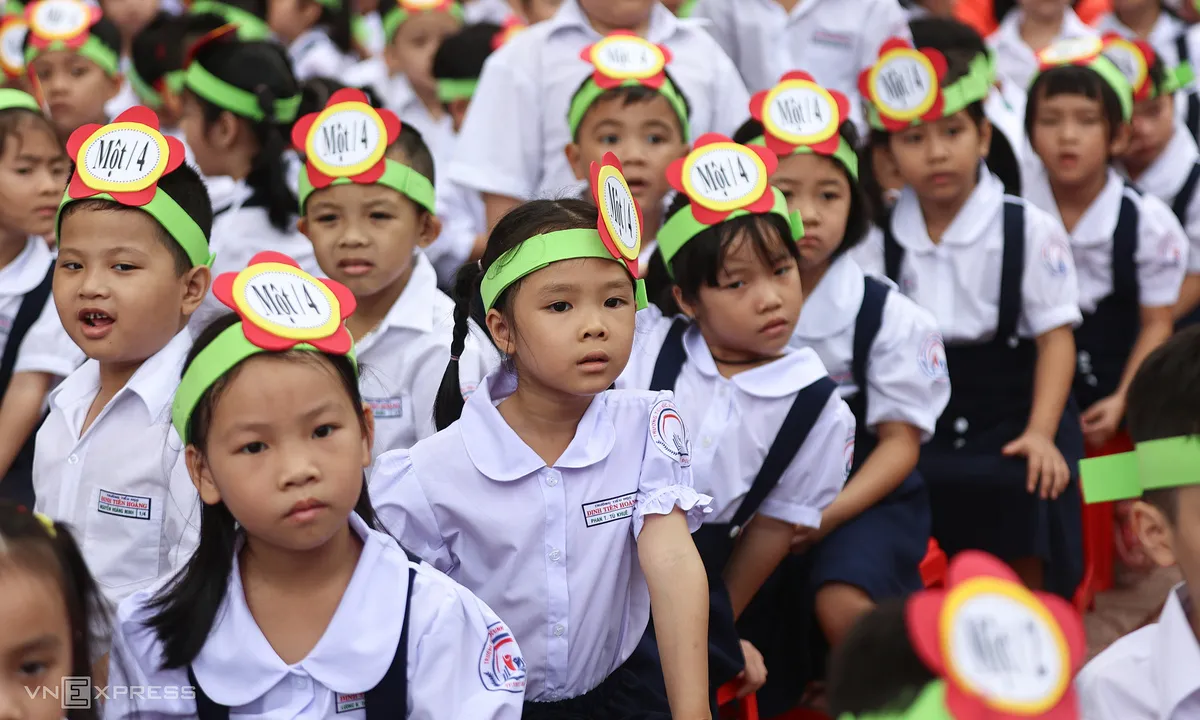
15 tỉnh, thành phố thí điểm sáp nhập trường học và chuyển đổi hệ trung cấp sang trung học nghềBộ Giáo dục và Đào tạo thí điểm sáp nhập trường học tại 13 tỉnh, thành phố nhằm nâng cao chất lượng giáo dục, đồng thời chuyển đổi hệ trung cấp sang trung học nghề theo hướng hiện đại.
-
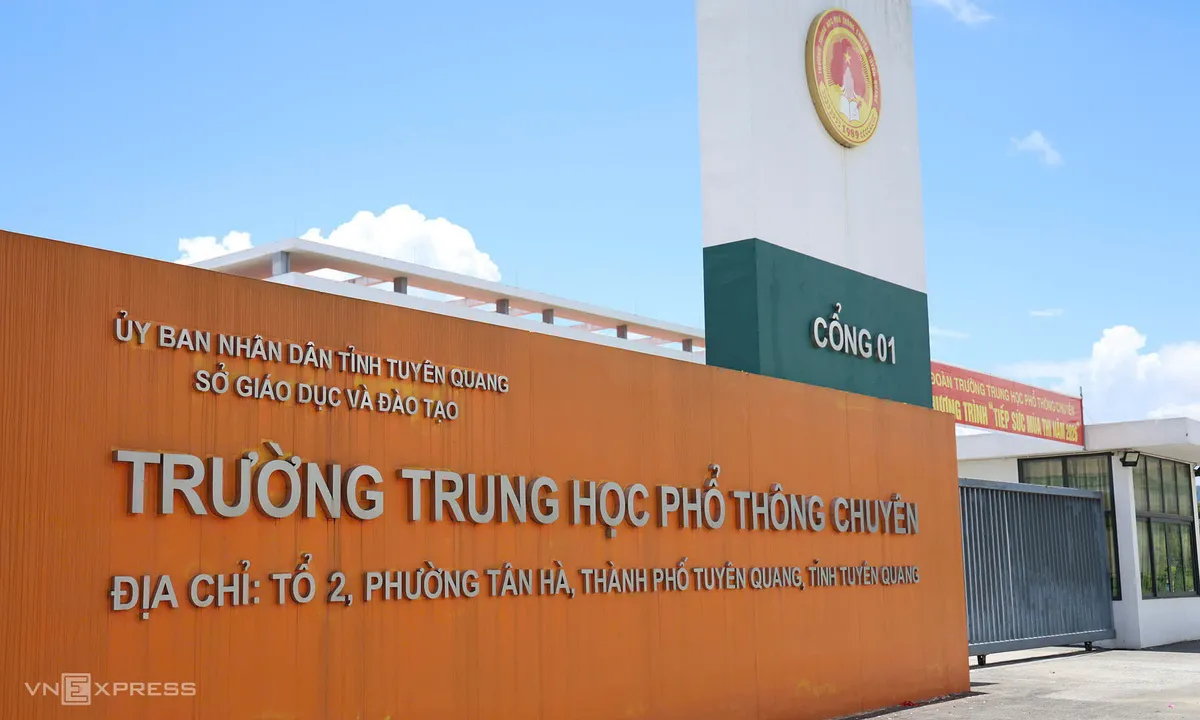
Tuyên Quang: Kiểm tra toàn bộ quy trình tổ chức thi với điểm thi, phòng thi có thí sinh đạt điểm caoTỉnh Tuyên Quang kiểm tra toàn bộ quy trình thi với bài toán đạt 10 điểm, đồng thời đối chiếu học bạ của các thí sinh.
-
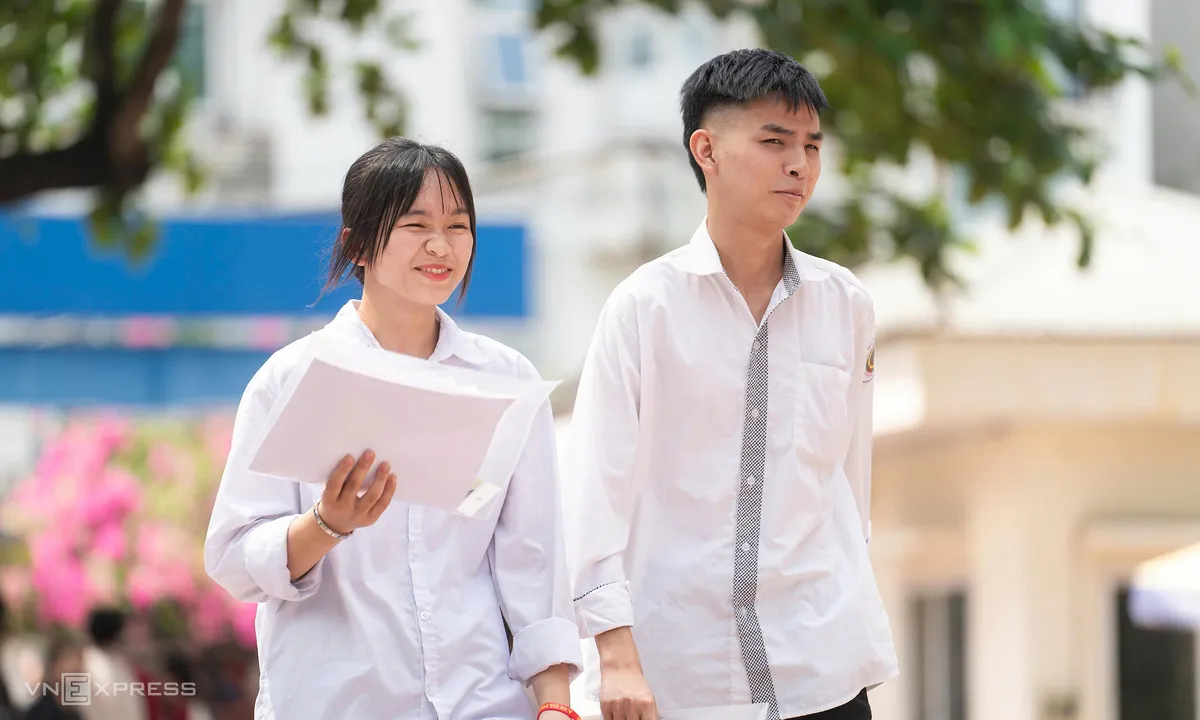
Danh sách trường công bố điểm sàn thi tốt nghiệp THPT 2026: Xu hướng và dự báo điểm chuẩnViệc nhiều trường đại học công bố điểm sàn thi tốt nghiệp THPT 2026 cho thấy xu hướng tuyển sinh và dự báo về điểm chuẩn năm nay.
-

Điểm sàn Đại học Ngoại thương: Xét tuyển từ 23-24 điểm, mở rộng ngành mớiĐại học Ngoại thương công bố ngưỡng điểm sàn xét tuyển từ 23-24/30 cho các tổ hợp môn năm 2026, đồng thời mở rộng nhiều ngành mới như Khoa học dữ liệu và Trí tuệ nhân tạo.
-
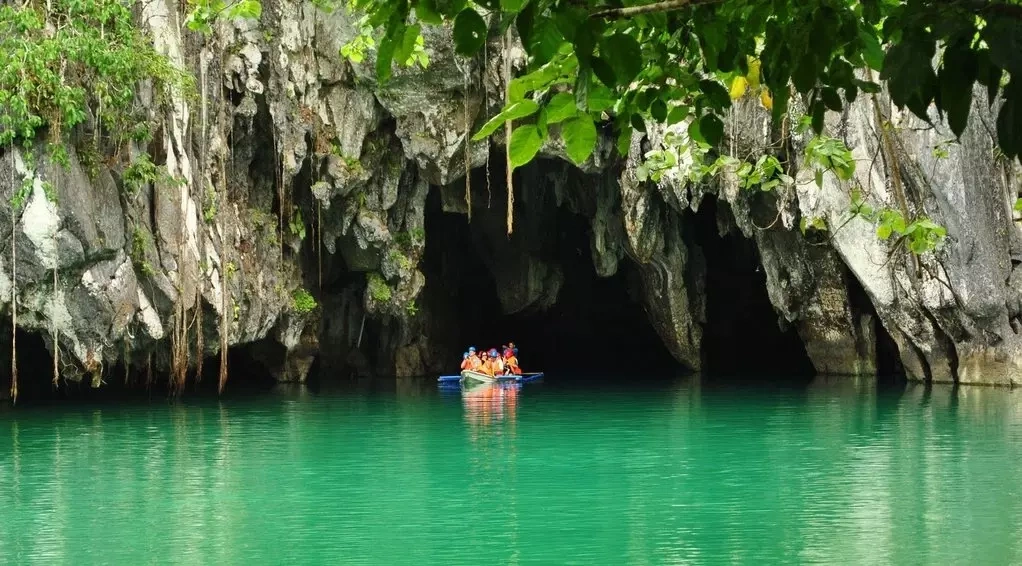
Sông ngầm kỳ thú ở Đông Nam Á: Tuyển lựa mới cho kỳ quan thiên nhiênViệt Nam nằm trong khu vực Đông Nam Á, nơi có nhiều kỳ quan thiên nhiên độc đáo, như con sông ngầm dài hơn 8 km gây ngạc nhiên.
-
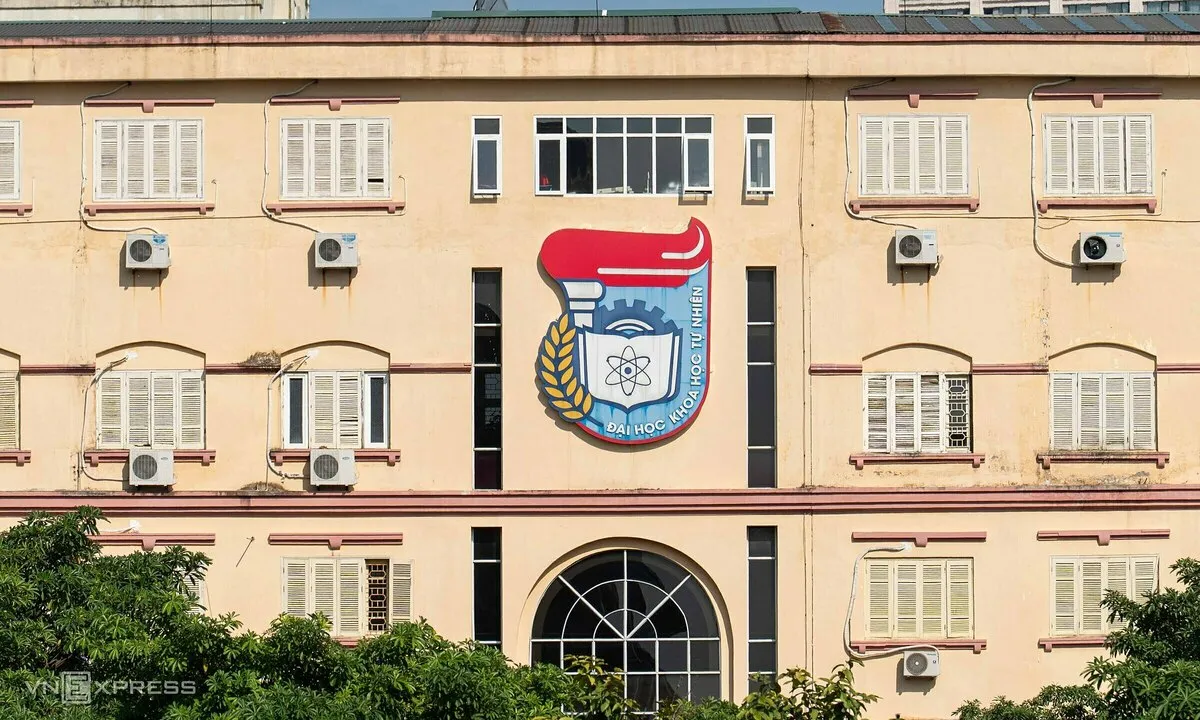
Điểm sàn Đại học Khoa học Tự nhiên và xu hướng điều chỉnh của các trường ĐHĐiểm sàn ĐH Khoa học Tự nhiên lên đến 25 điểm, còn Trường Hoa Sen công bố mức dễ thở hơn với 18 điểm theo tổ hợp 6 học kỳ. Sự linh hoạt trong quy định của các trường đang tạo ra nhiều lựa chọn cho thí sinh.
-
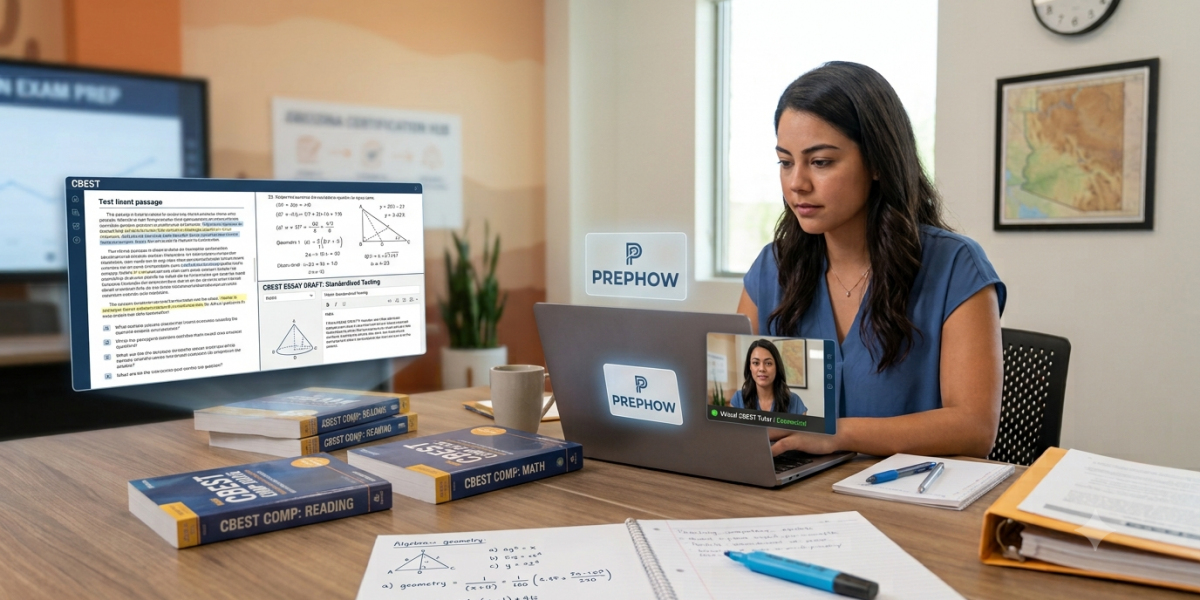
CBEST Exam Preparation Online – Pass with Expert Coaching & Practice TestsPrepare for the CBEST exam with Prephow online coaching, practice tests, expert guidance, and writing support to boost confidence and pass successfully.


