UK house prices flat in June, says Nationwide; higher energy bills cap kicks in – business live

By Julia Kollewe • July 1, 2026 • Business
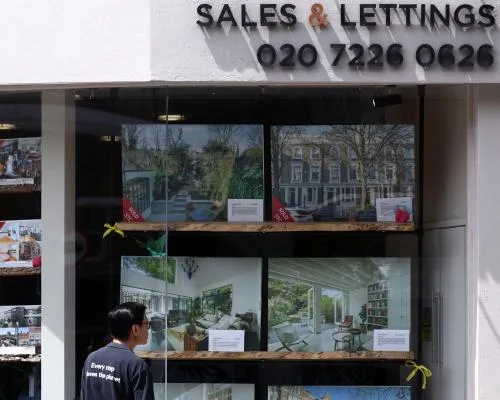
Annual house price growth accelerates to 2.2%, led by Northern Ireland
Airlines and airports have called for the new EU biometric border check system to be suspended during the peak summer holiday period, warning that some flights are leaving half full and passengers are struggling in queues of up to five hours. In a letter to Ursula von der Leyen, the president of the European Commission, airlines and airports asked for an option to suspend checks under the system over fears the situation will get much worse during the busy summer. The summer will bring a “significant worsening of an already very difficult situation for passengers,” said industry groups ACI Europe, which represents airports, and Airlines 4 Europe and IATA, which represents airlines. The letter said: Passengers have already been forced to queue for extended periods outside terminal buildings and on exposed aprons because border control facilities cannot process arrivals quickly enough. Airlines face half-empty planes at gate closing time, while passengers are stuck in border control queues.” Some planes have had to delay take off while waiting for passengers, while others have had to leave passengers behind. The groups called on the EC to allow airports to “completely suspend” checks “whenever passenger volumes exceed the operational capacity of border control facilities” during July and August. “The UK housing market is proving to be a study in resilience rather than exuberance,” said Anthony Codling, housing analyst at RBC Capital Markets. The average price of a home dipped £540 in June from May but rose almost £6,000 year on year. The average UK home now costs £277,484, a market that is moving sideways more than it is marching forward. The headline number tells one story, but the regional picture tells a more interesting one: Northern Ireland is doing its own thing entirely, running nearly four times hotter than the national average, while much of southern England is essentially flatlining. Mortgage rates remain the stubborn gatekeeper to a more meaningful recovery, with affordability still stretched by historical standards, and the Bank of England’s cautious approach to rate cuts keeping buyers in a holding pattern. The good news is that all 13 regions are now in positive annual growth territory, which is no small feat. The bad news is that for housebuilders hoping for a demand surge to justify a bullish volume outlook, this is a market that remains more tortoise than hare. Good morning, and welcome to our rolling coverage of business, the financial markets and the world economy. House prices in the UK were flat last month, as the market weakened amid the Iran war which sapped people’s confidence. The average price of a home was little changed at £277,484 in June, versus £278,024 in May, according to Nationwide Building Society’s monthly survey. The zero change reading, which had been expected by economists, came after May’s 0.6% monthly dip. Compared with June last year, property values were 2.2% higher, up from 1.7% in May. Robert Gardner, Nationwide’s chief economist, said: It is not surprising that the market has softened a little in recent months, given the uncertainty caused by developments in the Middle East and the subsequent rise in energy prices and market interest rates. Indeed, consumer confidence and measures of housing sentiment have weakened, and mortgage approvals fell noticeably in May. Nationwide also published regional figures for the second quarter. House prices rose fastest in Northern Ireland between April and June, although the annual rate slipped to 8.6% from 9.5%, taking the average price to £226,699. The annual pace was 3.9% in north west and northern England, and 3.5% in Scotland and Wales. In London, prices rose at an annual rate of 1.6%, down from May’s 1.7%, to an average property value of £540,903. Gardner said the mortgage payment on a typical first-time buyer property in Northern Ireland is now equivalent to 31% of an average earner’s take home pay, up from 24% in the second quarter of 2022 – although this is still lower than the UK average of 33%. Moreover, the price of a typical home in Northern Ireland is now roughly 80% of the average UK price, up from 70% in early 2024, but still well below the peak of 125% recorded in 2007. Gardner added: While geopolitical tensions remain high, the signing of a memorandum of understanding between Iran and the US helped push oil prices back towards the levels prevailing before the conflict began. If the energy shock continues to subside, the Bank of England may not need to raise interest rates, or at least by less than had previously been anticipated – a view reinforced by the fact that UK inflation has also been lower than expected in recent months. In recent weeks a shift in market expectations for the future path of Bank Rate has helped to bring down the market interest rates which underpin fixed-rate mortgage pricing. If maintained, these trends will help to restore household confidence and ease affordability constraints, paving the way for a recovery in housing market activity in the coming quarters, providing that domestic political uncertainty does not adversely impact sentiment. The government’s new energy price cap comes into effect today. There are warnings that millions of households in Great Britain will be pushed into fuel poverty after months of volatility on the global gas markets, as energy bills rise by more than £220 a year, writes our energy correspondent Jillian Ambrose. As the cap on gas and electricity rates rises to the equivalent of £1,862 a year, the number of households forced to spend more than 10% of their income on energy bills will increase to 13.5m from almost 11.3m in April, according to fuel poverty campaigners. Using new calculations, which assume lower energy consumption, the regulator believes the average UK household will spend £1,663 a year from July. The End Fuel Poverty Coalition warned that the steepest summer rise in energy charges in four years would leave almost 5.5m homes facing energy bills of about 20% of their income, up sharply from 4.3m in April this year. The charity calculated the figures based on research by the University of York. The Agenda 10am BST: Eurozone inflation for June (flash) 2pm BST: Bank of England governor Andrew Bailey, ECB president Christine Lagarde and US Federal Reserve chief Kevin Warsh, Bank of Canada governor Tiff Macklem speak at ECB panel in Sintra, Portugal 3pm BST: US ISM manufacturing PMI for June
Source: The Guardian
Business Daily
212 posts
-
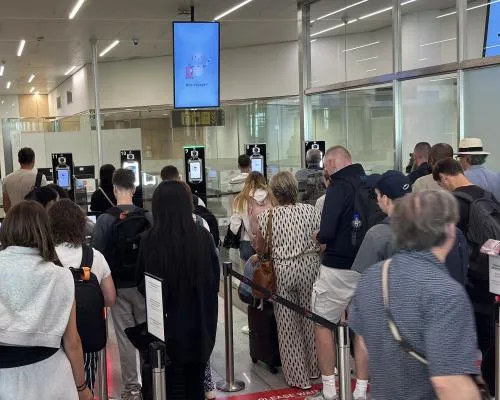 Call to suspend new EU border system in peak holiday period as planes leave half full
Airlines and airports say passengers are struggling in queues of up to five hours for biometric checks
-
 ‘Complicated and expensive’: Burnham is right about the risks of nationalisation
Track record of Welsh Water shows public ownership is not the answer to all the woes in the utilities sector
-
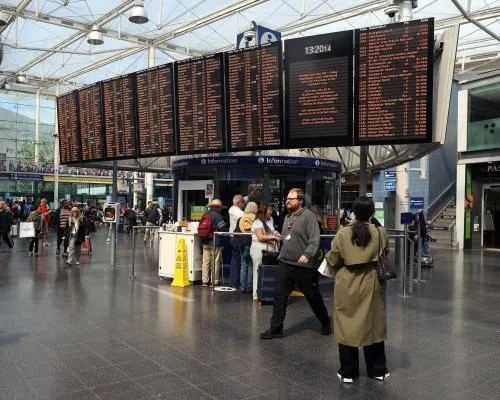 Northern Rail Project risks repeating costly HS2 failures, MPs warn
The £45bn scheme to link cities across north of England with new or upgraded lines has no convincing or properly costed plan, committee says
-
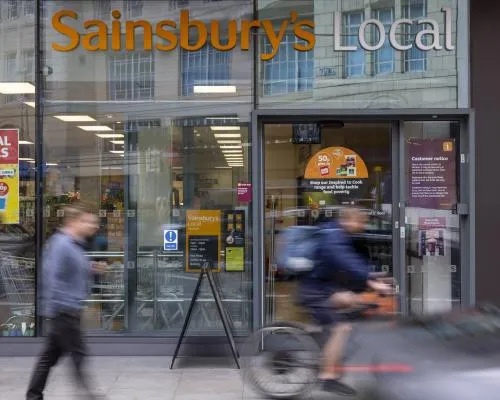 Sainsbury’s chief says grocery inflation not as bad as feared so far
Supermarket has lifted sales with Aldi price match, and has benefited from hot weather and World Cup matches
-
 US treasury secretary warns oil and gas companies to lower prices: ‘we’re watching’
Scott Bessent says he ‘encourages them to be good actors’ after Trump ranted about prices not dropping fast enough
-
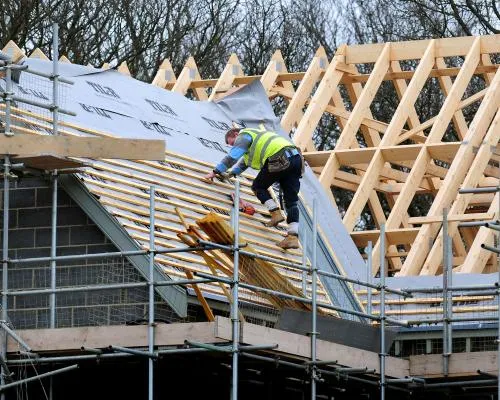 UK housebuilders face class action suit over alleged collusion to inflate prices
Law firms seek up to £4.5bn on behalf of 700,000 buyers of new-build homes
-
 Hospitality VAT cut: can it help the sector and at what cost to UK taxpayer?
Drop to 10% for pubs and eateries would be in line with most of Europe, but critics say it favours multinationals
-
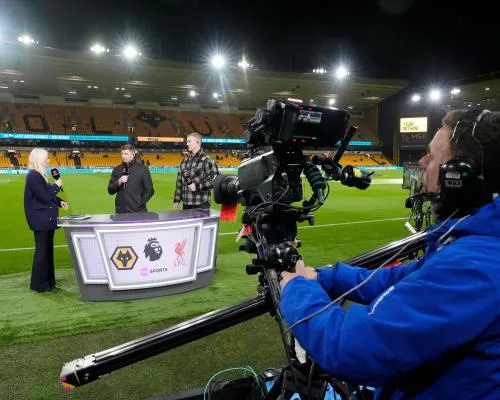 UK ‘minded to’ intervene in Paramount’s $110bn takeover of Warner Bros Discovery
Lisa Nandy to ask regulators to assess mega-merger involving Channel 5, CNN and TNT Sports on grounds of media plurality and competition
-
 UK watchdog plans to break Apple and Google’s ‘effective duopoly’ on mobile app stores
CMA says developers should be able to steer users away from app stores for payments to increase competition
-
 UK disposable incomes squeezed by price rises and tax changes
ONS confirms 0.6% GDP growth in first quarter, with services, production and construction sectors expanding


