When embarking on a commercial construction project, the choice of the right construction service provider can significantly influence the success of your venture. The construction industry is a complex landscape with numerous players, each offering different specialties, capabilities, and cost structures. Therefore, understanding the process of hiring Commercial construction services is essential for business owners and project managers alike. This guide will walk you through the critical steps involved in hiring commercial construction services, ensuring that you make informed decisions that lead to successful project execution.
Step 1: Define Your Project Requirements
The first step in hiring commercial construction services is to clearly define your project requirements. This involves outlining the scope of the project, including the type of construction (e.g., office building, retail space, or industrial facility), budget constraints, timeline, and specific needs such as sustainable building practices or specialized features. By establishing a comprehensive project brief, you set the foundation for the entire hiring process. Research indicates that projects with well-defined scopes are 40% more likely to be completed on time and within budget. This clarity will help potential contractors assess your project accurately and provide realistic proposals.
Step 2: Conduct Market Research
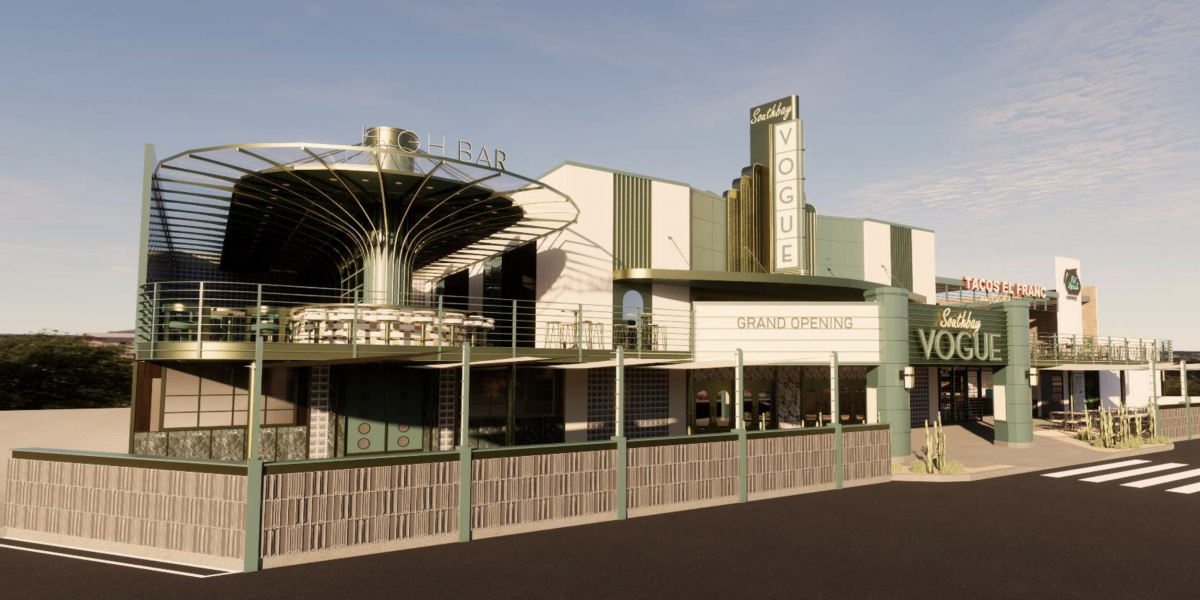
Once you have a clear understanding of your project requirements, the next step is to conduct market research to identify potential commercial construction service providers. Start by seeking recommendations from industry peers, real estate professionals, or local business organizations. Additionally, online resources such as the Associated General Contractors of America (AGC) or the Construction Industry Institute (CII) can provide valuable insights into reputable companies in your area. Consider creating a shortlist of candidates based on their experience, project portfolio, and client reviews. This step not only helps you find qualified contractors but also allows you to gauge the competitive landscape and pricing trends.
Step 3: Evaluate Qualifications and Experience
With a shortlist of potential construction service providers, it is essential to evaluate their qualifications and experience. Look for contractors who specialize in the type of project you are undertaking, as specialized expertise can make a significant difference in execution. Review their portfolios to assess the quality of previous work, and check for any completed projects similar to yours. Additionally, verify their credentials, including licenses, insurance, and bonding requirements. According to the National Association of State Contractors Licensing Agencies (NASCLA), failure to hire licensed contractors can lead to significant legal and financial repercussions. Therefore, due diligence in this step is vital.
Step 4: Request Proposals and Quotes
After evaluating qualifications, the next step is to request detailed proposals and quotes from the shortlisted construction service providers. A well-structured proposal should outline the contractor's approach to your project, including timelines, materials, labor costs, and any contingencies. During this phase, it's essential to communicate your expectations clearly and provide any necessary documentation to facilitate accurate estimates. Keep in mind that the lowest bid is not always the best option. Consider the overall value, including quality and reliability, rather than just focusing on cost. According to recent surveys, 60% of project delays are attributed to poor contractor selection, highlighting the importance of thorough evaluation.
Step 5: Interview Candidates
Once you have received proposals, it's time to interview candidates. This step allows you to assess not only their technical capabilities but also their communication skills and cultural fit with your organization. Prepare a list of questions that cover various aspects of the project, such as how they handle challenges, their approach to safety, and their project management processes. Additionally, inquire about their subcontractors and suppliers, as these relationships can impact project quality and timelines. Conducting interviews provides an opportunity to gauge the contractor's responsiveness and professionalism, essential traits for successful collaboration throughout the project lifecycle.
Step 6: Check References and Reviews
Before making a final decision, it is crucial to check references and reviews for the candidates you are considering. Request a list of past clients and reach out to them to inquire about their experiences with the contractor. Key questions to ask include whether the project was completed on time and within budget, the quality of work, and how well the contractor communicated throughout the process. Additionally, online review platforms such as Yelp and Google Reviews can provide insights into the contractor's reputation. According to a survey by BrightLocal, 86% of consumers read reviews for local businesses, underscoring the importance of reputation in decision-making.
Step 7: Review Contracts and Terms
After selecting a commercial construction service provider, the next step is to review contracts and terms thoroughly. Contracts should clearly outline the scope of work, payment terms, timelines, and any other conditions relevant to the project. Pay close attention to clauses regarding change orders, warranties, and dispute resolution processes. It is advisable to have a legal professional review the contract to ensure that your interests are adequately protected. According to the American Institute of Architects (AIA), well-drafted contracts can help mitigate disputes and clarify expectations, reducing the likelihood of costly misunderstandings during the project.
Step 8: Maintain Open Communication
Once the project is underway, maintaining open communication with the contractor is critical for its success. Schedule regular check-ins to discuss progress, address any concerns, and ensure that the project remains on track. Establishing a clear communication plan helps prevent misunderstandings and allows for prompt resolution of any issues that may arise. According to a study by McKinsey & Company, effective communication can improve project performance by up to 20%. By fostering a collaborative atmosphere, you can enhance the working relationship with the contractor and ensure a smoother construction process.
Conclusion
Hiring commercial construction services is a multifaceted process that requires careful planning and execution. By following this step-by-step guide, you can navigate the complexities of the hiring process and make informed decisions that lead to successful project outcomes. From defining project requirements to maintaining communication throughout construction, each step plays a vital role in ensuring that your project is completed on time and within budget. As the construction industry continues to evolve, staying informed and proactive in your hiring process will position you for success in your commercial construction endeavors.

Valentino Van
68 posts
-
 The Timeless Appeal of DLF Park Place Sector 54 Gurgaon: A Living Legacy
Living at DLF Park Place Sector 54 Gurgaon means becoming part of an established, sophisticated, and close-knit neighborhood. The clubhouse acts as the center of social activity, hosting everything from fitness sessions and sporting events to community gatherings.
-
 Redefining Luxury: The Iconic M3M Golf Estate, Sector 65
In the bustling landscape of Gurugram, few addresses command the same level of prestige and architectural grandeur as M3M Golf Estate, Sector 65. As one of the most prominent residential landmarks along the Golf Course Extension Road, this project has effectively transformed the concept of
-
 Redefining Ultra-Luxury: A Deep Dive into Whiteland Westin Residences, Sector 103, Gurgaon
In the heart of the rapidly evolving Dwarka Expressway corridor, a new benchmark for premium living has emerged. Whiteland Westin Residences, located in Sector 103, Gurgaon, isn't just a residential project—it is a landmark collaboration that brings the world-renowned hospitality o
-
 Green Engineering and Health Optimization at Whiteland The Aspen
To address this, Whiteland Corporation integrated specialized CTMA3 Air Purification technology into the core building systems. This central air infrastructure works continuously to treat, filter, and circulate air throughout enclosed common areas, double-height entrance lobbies, and tower
-
 Mastering the Asset: Technical Infrastructure, Micro-Market Value, and Structural Layouts at DLF Park Place
This deep dive focuses on the granular technical infrastructure, exact structural layouts, and macro-economic factors that explain why this specific project maintains a massive edge over its competition in 2026.
-
 Brand Identity and Tenant Experience: Cultivating Loyalty at Elan Empire Gurgaon
Securing high occupancy in a premium high-street asset is only half the battle. For long-term viability, property management and individual investors must shift their focus to building tenant loyalty and creating a distinctive brand identity.
-
 Master Review: Evaluating Godrej Nature Plus, Sector 33, Gurgaon
The layout uses a smart structural pattern where towers are angled away from each other. This creates a staggered footprint that gives corner apartments clear, unblocked views of the Aravalli foothills while ensuring optimal morning and afternoon sunlight. Inside the towers, the floor plan
-
 BPTP Downtown 66: A Masterpiece of Vertical Luxury in Sector 66
BPTP Downtown 66 has emerged as one of the most anticipated high-rise developments on the Golf Course Extension Road. Designed by the globally acclaimed architectural firm Aedas, this project is not just a residential complex but a vertical ecosystem where luxury meets functionality.
-
 Aesthetic Clinic in Australia | Beauty Clinic in Carolina | PM Aesthetics
Discover a trusted aesthetic clinic in Australia and a professional beauty clinic in Carolina. PM Aesthetics offers advanced skincare, cosmetic treatments, and personalized beauty solutions.
-
 The Masterful Synergy at Signature Global Tonino Lamborghini
Signature Global Tonino Lamborghini Residences represents a ₹2,890 crore synergy of Italian supercar aesthetics and Indian engineering excellence in Sector 71.
-
 Sidewalk Repair NYC: A Complete Guide for Property Owners
Sidewalks in New York City endure constant wear and tear due to heavy foot traffic, extreme weather conditions, and tree root growth. Over time, cracks, uneven surfaces, and potholes can develop. These issues not only create an unpleasant appearance but also pose serious safety hazards for


