New therapies and technologies are changing the way we treat anxiety in the future

The Beginning
As a common mental health problem, anxiety illnesses can make it hard to go about daily tasks and enjoy life. Many people have found that standard treatments for anxiety, like medication and therapy, help, but more and more people are interested in trying new ways to treat anxiety. Recent progress in neuroscience, technology, and therapeutic methods has made it possible for the creation of new tools that could be used instead of or in addition to current treatments. To understand the future of treating anxiety, we need to look at new tools and therapies that could change the way we deal with anxiety in the years to come.
1. New developments in pharmacology
Innovations in pharmacology are at the heart of treating anxiety, and researchers are always looking for ways to make drugs safer and more effective. Benzodiazepines and selective serotonin reuptake inhibitors (SSRIs) are two common drugs used to treat anxiety. However, they have problems like side effects, resistance, and dependence. However, new medicines coming out, like novel anxiolytics that target specific neurotransmitter systems or neural pathways, might work better and have fewer side effects. Also, improvements in drug delivery methods like transdermal patches or implantable devices may help people with anxiety disorders stick with their treatments and get better results from their therapy.
2. Therapies that use neurostimulation

Neurostimulation therapies are a new and innovative way to treat anxiety. They change brain function by stimulating it with electricity or magnets. Both transcranial magnetic stimulation (TMS) and transcranial direct current stimulation (tDCS) are non-invasive methods that have shown promise in treating a number of mental illnesses, such as worry. These treatments focus on parts of the brain that help control anxiety, like the dorsolateral prefrontal cortex or the amygdala, and can change the way neural systems that handle and control emotions work. As more study is done on the connections between the brain and behavior, neurostimulation therapies may become useful as extra help for people with anxiety disorders that don't respond to other treatments.
3. Therapy with virtual reality
Virtual reality therapy (VR therapy) is a new way to treat anxiety that uses immersive technology to create stressful events in a safe, therapeutic setting. VR therapy helps people face and get over their fears in a safe and helpful environment by putting them in virtual situations that make them anxious, like flying or speaking in public. Virtual reality exposure therapy (VRET) has been shown to help people with certain phobias, social anxiety disorder, and post-traumatic stress disorder (PTSD). It is a new way to treat anxiety that works well with standard exposure-based therapies.
4. Interventions based on mindfulness
Mindfulness-based interventions (MBIs) are getting more and more attention as good ways to treat anxiety and stress-related illnesses. MBIs are based on spiritual practices like mindfulness meditation and stress being aware of the present moment, accepting what is, and observing thoughts and feelings without judging them. Mindfulness-based stress reduction (MBSR) and mindfulness-based cognitive therapy (MBCT) are treatments that have been shown to help people with anxiety and sadness who are at risk of relapse. More study is needed to fully understand how mindfulness practices work. Mindfulness-based interventions (MBIs) show promise as easy to use and low-cost ways to improve mental health and well-being.
5. Approaches to personalized medicine
Personalized medicine methods are a big change in how we treat anxiety. They move us toward precision-based, individualized interventions that are made to fit each person's unique genetic, neurobiological, and psychosocial profile. The goal of personalized medicine is to find biomarkers of treatment reaction and match people with the best solutions for their needs by combining genetic testing, neuroimaging, and biomarker assessments. For example, pharmacogenetic testing can help doctors choose the right medicines and the right amount to give each person based on their genetic profile. This can improve treatment results and lower the risk of side effects. As personalized medicine develops, it could completely change the way anxiety disorders are treated by allowing personalized interventions that target the root causes of these disorders.
6. Online platforms for mental health
The field of digital mental health platforms is growing quickly. These platforms use technology to make anxiety treatment and prevention more available and scalable. Evidence-based treatments like cognitive behavioral therapy (CBT), mindfulness training, and stress management tools are easy to get to through mobile apps, web-based programs, and online services. People can deal with anxiety in their daily lives with the help of these tools, which offer self-guided support, interactive exercises, and real-time monitoring of symptoms. As digital mental health keeps getting better, it could make it easier for more people to get effective anxiety treatment, reach groups that aren't getting enough help, and support early intervention and prevention efforts.
7. Approaches that are integrated
When treating anxiety disorders, integrative approaches blend both traditional and alternative therapies to deal with the complicated ways that biological, psychological, and social factors affect each other. Integrative therapies like acupuncture, yoga, nutrition guidance, and herbal supplements are all-around approaches that work well with conventional therapies and improve health in general. Integrative mental health clinics and programs offer full care for people with anxiety disorders, meeting all of their different needs by combining proven methods from both conventional and alternative treatment. When it comes to helping people recover from anxiety, integrative approaches offer a complete framework by encouraging healthcare workers to work together and treating the whole person.
In conclusion
The future of treating anxiety disorders looks bright, with new therapies and tools that offer fresh ways to deal with the complicated problems that come with these conditions. A lot of different types of treatments are changing how we understand and treat anxiety. These include new drugs and neurostimulation therapies, virtual reality, mindfulness-based interventions, personalized medicine, digital mental health platforms, and integrative approaches. Adopting new discoveries in science, technology, and therapy can completely change how we handle anxiety, lead to better results, and raise the standard of living for people with anxiety disorders
cummins cummins
33 posts
-
 Decoding Life's Molecular Switches: How Structural Biology Is Illuminating the Path to Modern Medicine
The answers often lie in a microscopic world tens of thousands of times smaller than the width of a human hair, hidden deep inside our cells
-
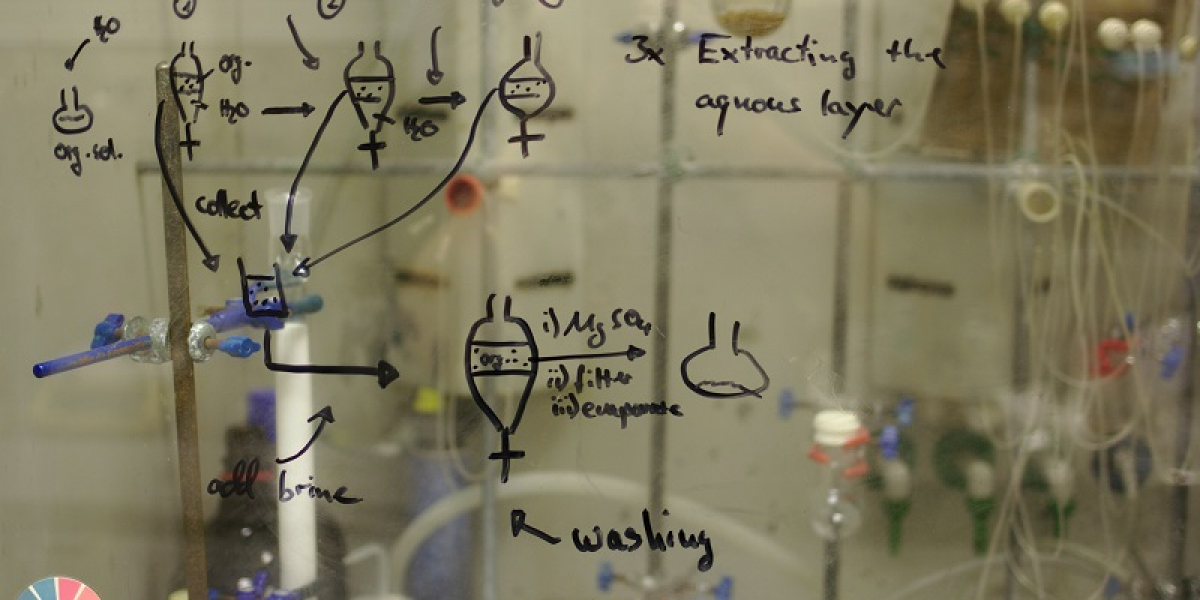 Liposomes in Modern Research: From Basic Structures to Specialized Drug Delivery Systems
For researchers committed to reproducible data and reliable therapeutic outcomes, starting with validated Research Grade Liposomes removes a major variable from the experimental pathway, ensuring consistent and high-quality results.
-
 Bendamustine for Scientific Research: Mechanism, Applications, and Research Uses
This article provides a detailed overview of Bendamustine, a unique chemotherapeutic agent characterized by its hybrid structure that combines a nitrogen mustard group with a purine-like benzimidazole ring. It explores the drug's dual mechanism of action—including DNA crosslinking
-
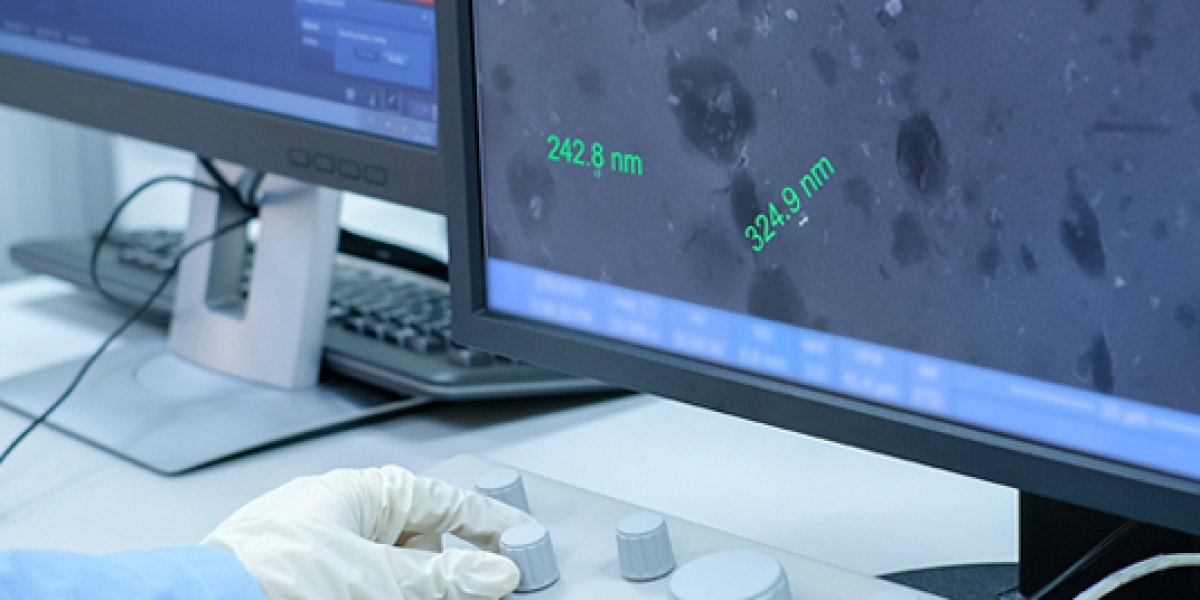 Advanced MERS-CoV Animal Models to Accelerate Coronavirus Vaccine and Drug Development
Advanced MERS-CoV Animal Models to Accelerate Coronavirus Vaccine and Drug Development
-
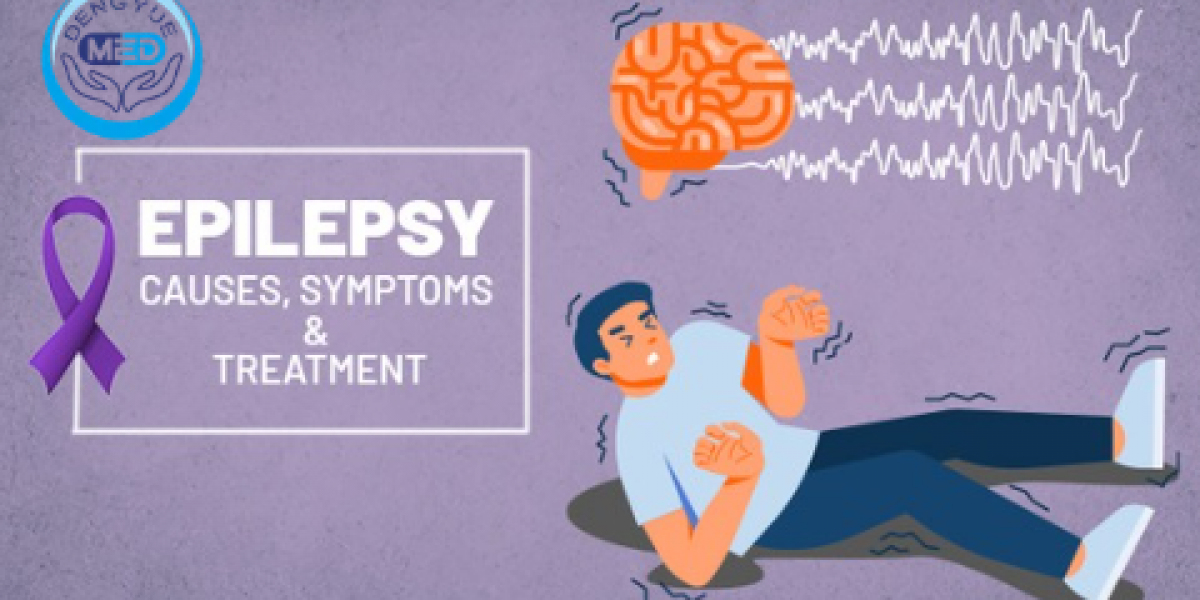 Could Staring Spells and Hand Tremors Be Epilepsy?
Discover 9 common misconceptions about epilepsy, including seizure symptoms, causes, treatment options, medication management, and seizure first aid. Learn the facts about epilepsy and improve awareness to support patients and families.
-
 How Women Long Sleeve Hoodies Redefine Tactical Streetwear Fashion
Women Long Sleeve Hoodies have transformed from simple wardrobe essentials into defining pieces of tactical streetwear fashion. Their evolution reflects a broader shift in how clothing is perceived—not just as a necessity, but as an extension of personality and lifestyle.
-
 Elevate Your Health with Natural Therapies in Oceanside
Discover natural healing at an Acupuncture Clinic Oceanside and a trusted Holistic Wellness Center Oceanside for stress relief, pain management, and total wellness.
-
 Get 10% Off Reliable ED Medicines with Medsvilla Special Deal
These medicines are commonly prescribed and widely used for managing ED symptoms effectively when used under proper medical guidance.
-
 How to Get a Hydrocodone Prescription
Online via Telehealth (Safe & Legal Guide)This guide explains how to safely and legally get a hydrocodone prescription via telehealth,
along with key legal rules and safety precautions. -
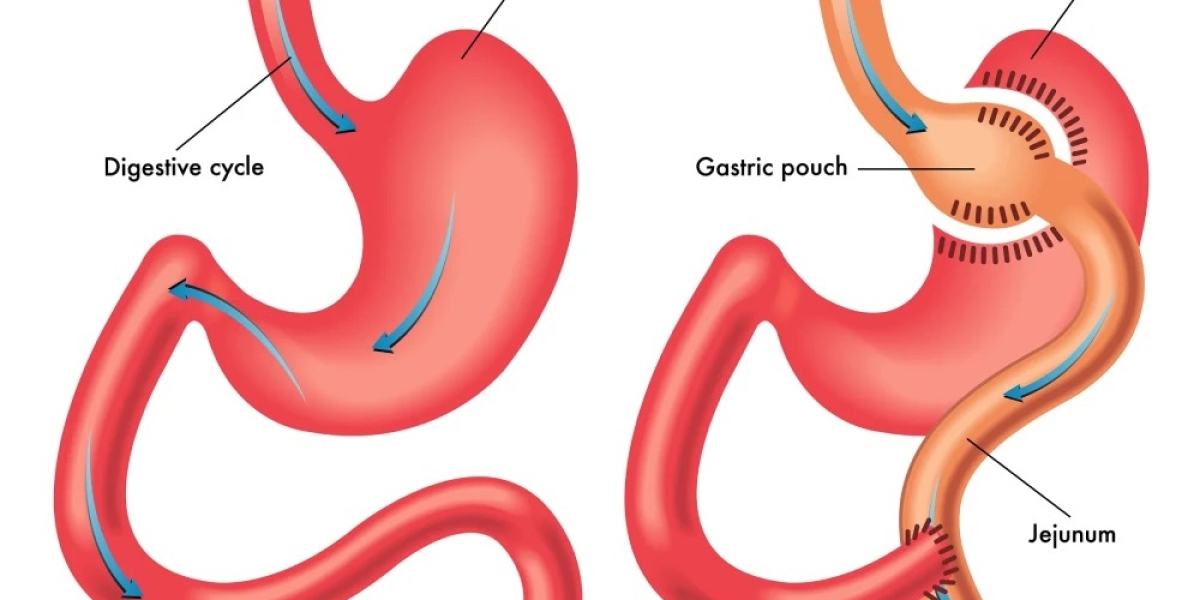 Transform Your Health with Advanced Surgical Solutions in Houston
Invest in your future. Choose Houston. Choose life-changing care.
-
 Unlocking Wellness: Functional Lab Testing & Nutraceutical Care in Columbia
Your path to balance, vitality, and healing starts here.


