Mechanical Engineering’s Impact on Supply Chain Sustainability Through Waste Management

Effective waste management is essential for sustainable engineering machnical supply chain, and mechanical engineers are driving this transformation. By designing systems that reduce, reuse, and recycle waste, they help businesses align with environmental goals while lowering costs.
Mechanical Engineering Solutions for Waste Management
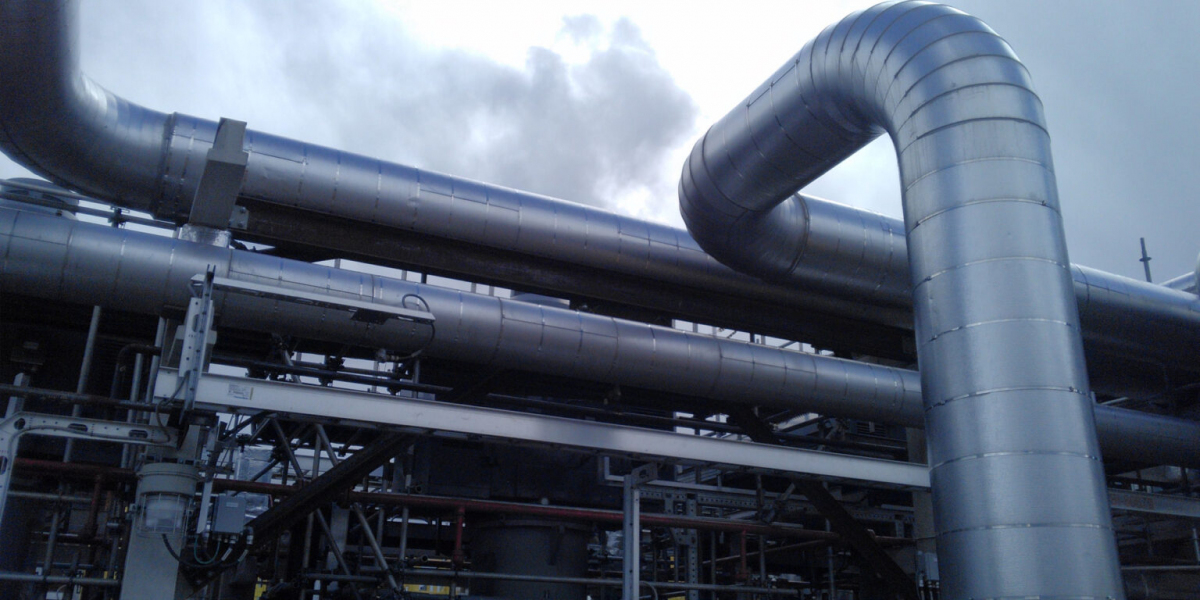
Mechanical engineers are innovating waste management practices to create more sustainable supply chains.
Recycling Technologies
Engineers develop machinery that processes and recycles materials such as plastics, metals, and paper, reducing landfill waste and promoting a circular economy.
Waste-to-Energy Systems
Mechanical engineers design systems that convert waste into usable energy, such as biogas or electricity, reducing dependency on nonrenewable resources.
Smart Waste Sorting Equipment
Engineers create automated sorting machines that use AI and sensors to segregate recyclable materials from waste efficiently, enhancing recycling rates.
Benefits of Effective Waste Management
- Environmental Conservation: Recycling and waste-to-energy systems reduce pollution.
- Cost Savings: Reusing materials lowers raw material expenses.
- Regulatory Compliance: Sustainable waste practices meet environmental standards.
Conclusion
Mechanical engineering is reshaping waste management in supply chains, creating solutions that reduce environmental impact and improve efficiency. By adopting these innovations, businesses can achieve long-term sustainability and cost savings.
Daniel Radcliffe
1 posts
-
 The Timeless Appeal of DLF Park Place Sector 54 Gurgaon: A Living Legacy
Living at DLF Park Place Sector 54 Gurgaon means becoming part of an established, sophisticated, and close-knit neighborhood. The clubhouse acts as the center of social activity, hosting everything from fitness sessions and sporting events to community gatherings.
-
 Redefining Luxury: The Iconic M3M Golf Estate, Sector 65
In the bustling landscape of Gurugram, few addresses command the same level of prestige and architectural grandeur as M3M Golf Estate, Sector 65. As one of the most prominent residential landmarks along the Golf Course Extension Road, this project has effectively transformed the concept of
-
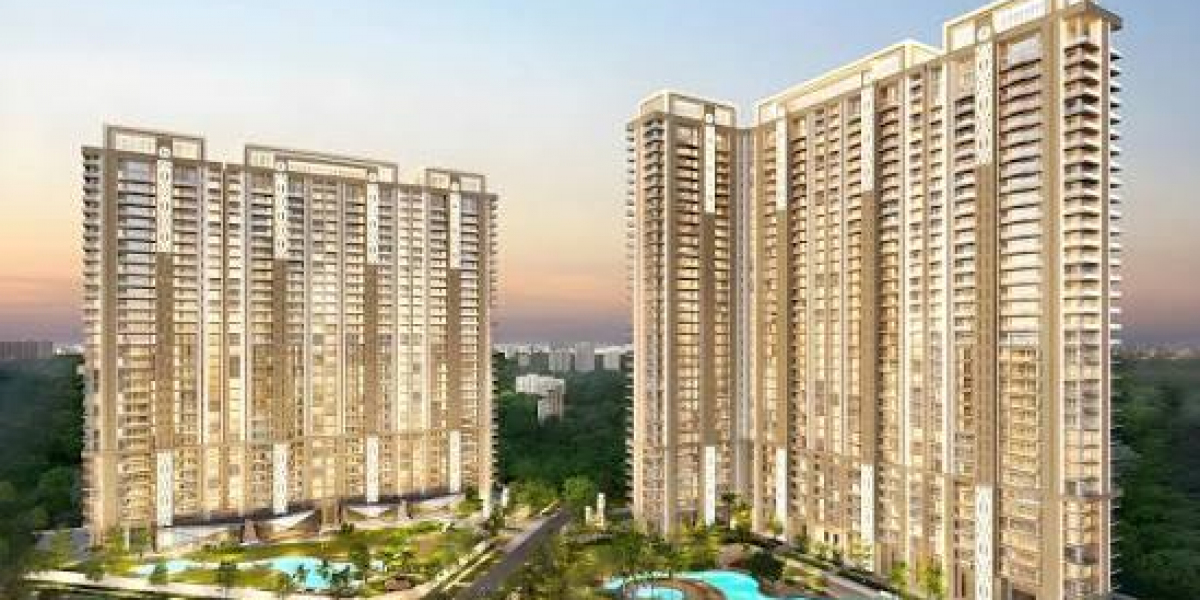 Redefining Ultra-Luxury: A Deep Dive into Whiteland Westin Residences, Sector 103, Gurgaon
In the heart of the rapidly evolving Dwarka Expressway corridor, a new benchmark for premium living has emerged. Whiteland Westin Residences, located in Sector 103, Gurgaon, isn't just a residential project—it is a landmark collaboration that brings the world-renowned hospitality o
-
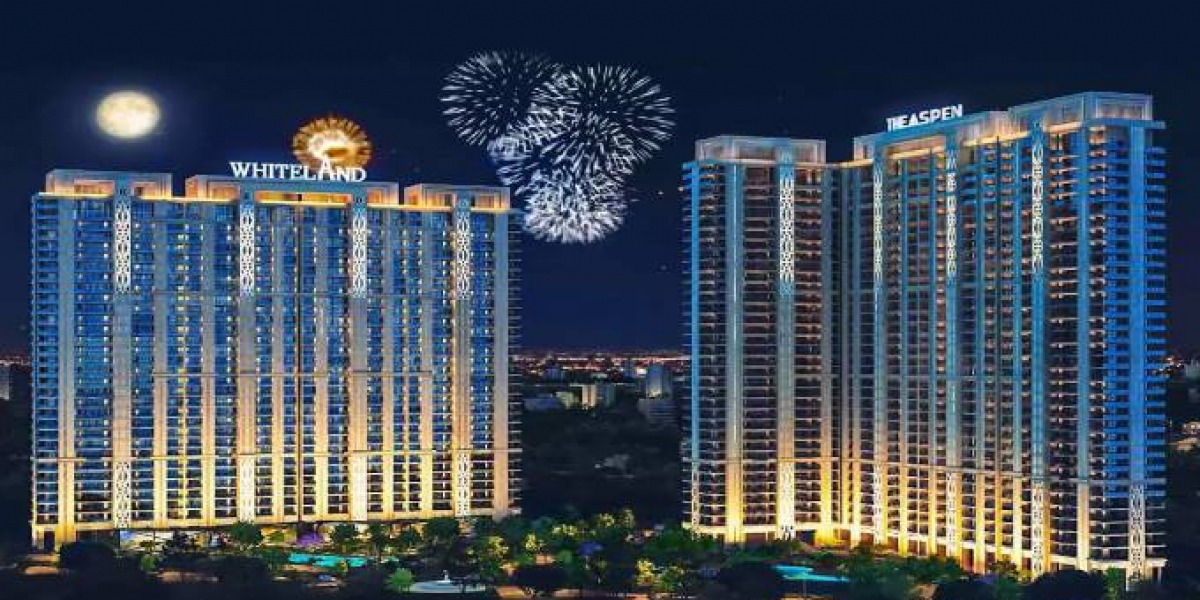 Green Engineering and Health Optimization at Whiteland The Aspen
To address this, Whiteland Corporation integrated specialized CTMA3 Air Purification technology into the core building systems. This central air infrastructure works continuously to treat, filter, and circulate air throughout enclosed common areas, double-height entrance lobbies, and tower
-
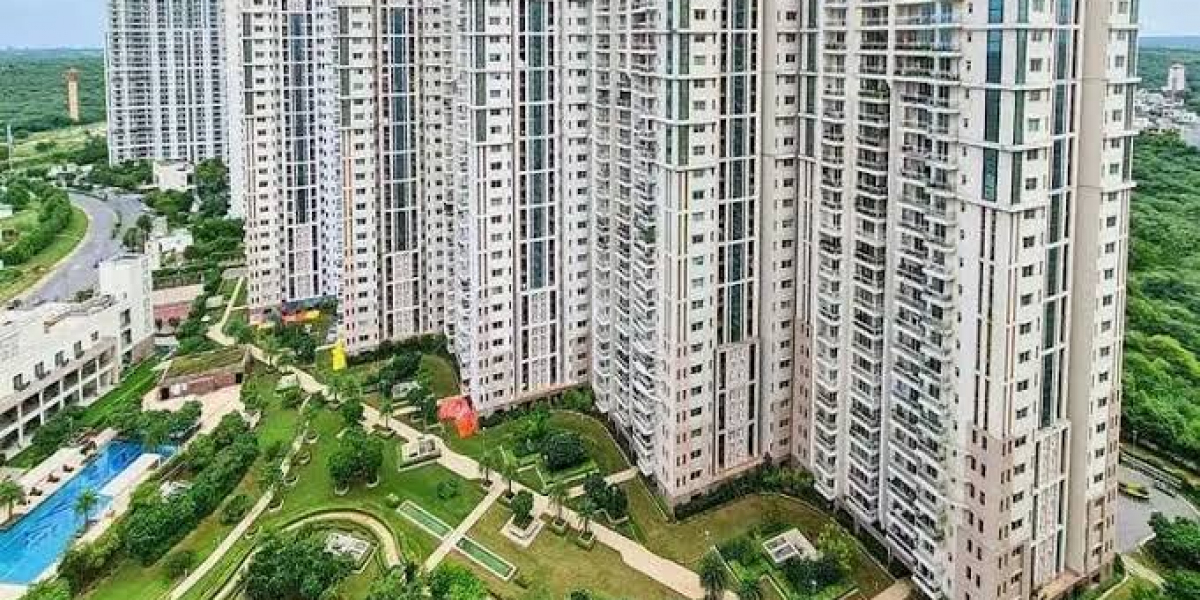 Mastering the Asset: Technical Infrastructure, Micro-Market Value, and Structural Layouts at DLF Park Place
This deep dive focuses on the granular technical infrastructure, exact structural layouts, and macro-economic factors that explain why this specific project maintains a massive edge over its competition in 2026.
-
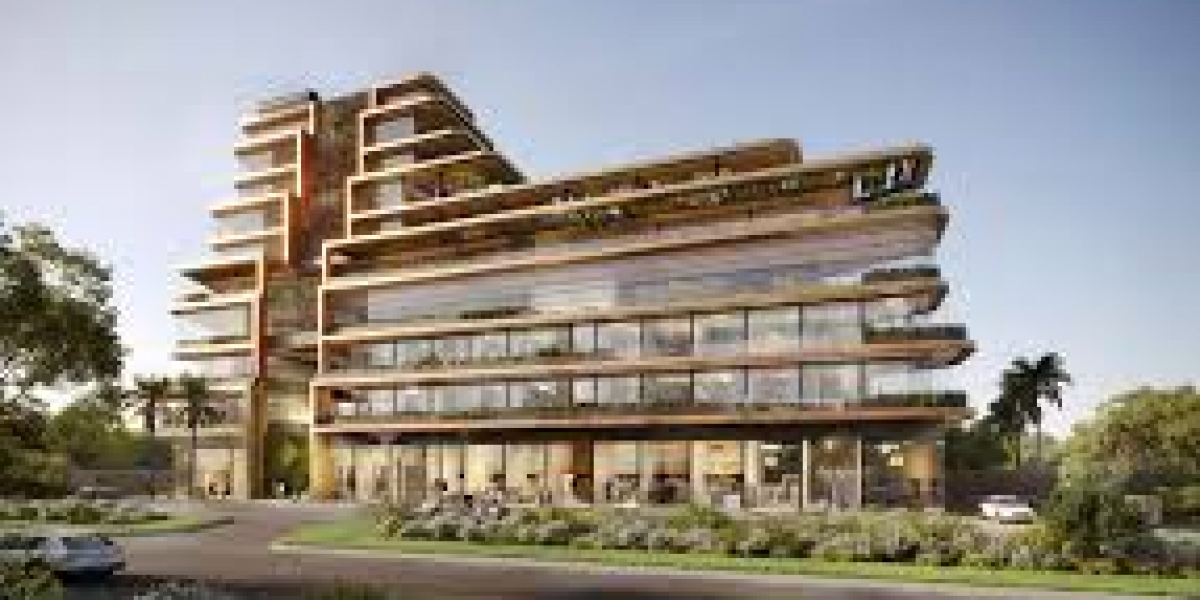 Brand Identity and Tenant Experience: Cultivating Loyalty at Elan Empire Gurgaon
Securing high occupancy in a premium high-street asset is only half the battle. For long-term viability, property management and individual investors must shift their focus to building tenant loyalty and creating a distinctive brand identity.
-
 Master Review: Evaluating Godrej Nature Plus, Sector 33, Gurgaon
The layout uses a smart structural pattern where towers are angled away from each other. This creates a staggered footprint that gives corner apartments clear, unblocked views of the Aravalli foothills while ensuring optimal morning and afternoon sunlight. Inside the towers, the floor plan
-
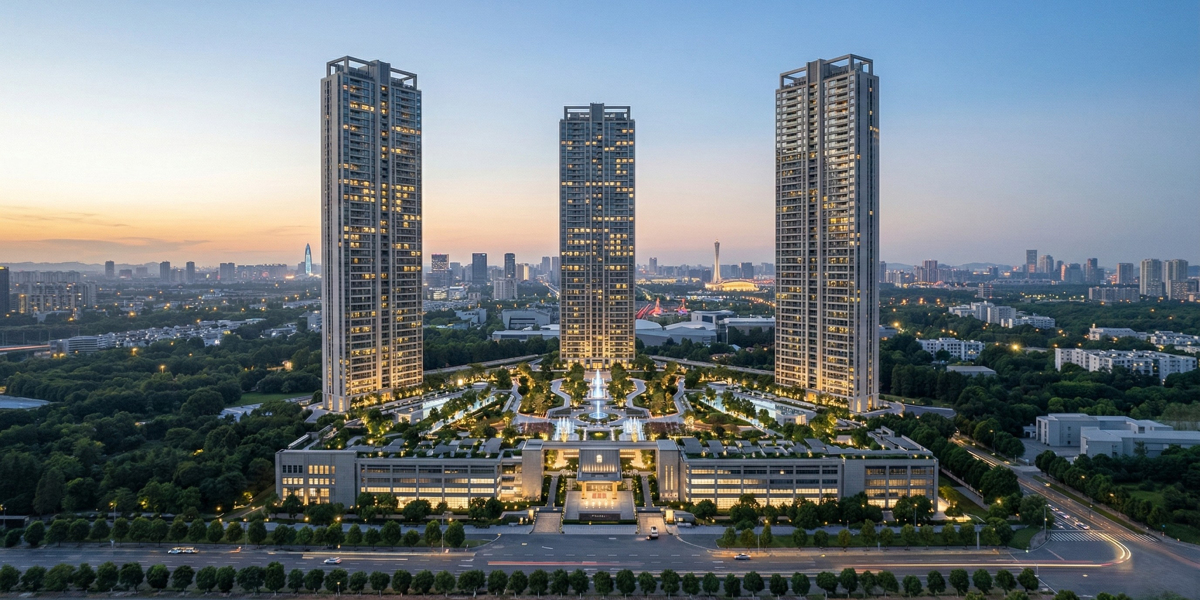 BPTP Downtown 66: A Masterpiece of Vertical Luxury in Sector 66
BPTP Downtown 66 has emerged as one of the most anticipated high-rise developments on the Golf Course Extension Road. Designed by the globally acclaimed architectural firm Aedas, this project is not just a residential complex but a vertical ecosystem where luxury meets functionality.
-
 Aesthetic Clinic in Australia | Beauty Clinic in Carolina | PM Aesthetics
Discover a trusted aesthetic clinic in Australia and a professional beauty clinic in Carolina. PM Aesthetics offers advanced skincare, cosmetic treatments, and personalized beauty solutions.
-
 The Masterful Synergy at Signature Global Tonino Lamborghini
Signature Global Tonino Lamborghini Residences represents a ₹2,890 crore synergy of Italian supercar aesthetics and Indian engineering excellence in Sector 71.
-
 Sidewalk Repair NYC: A Complete Guide for Property Owners
Sidewalks in New York City endure constant wear and tear due to heavy foot traffic, extreme weather conditions, and tree root growth. Over time, cracks, uneven surfaces, and potholes can develop. These issues not only create an unpleasant appearance but also pose serious safety hazards for


