In today’s environmentally conscious world, bottle recycling has become an essential process in reducing waste, conserving resources, and minimizing our carbon footprint. Whether it’s a plastic soda bottle, a glass wine bottle, or an aluminum can, recycling gives these containers a second life. But how does bottle recycling actually work? In this article, we’ll break down the bottle recycling process from start to finish, explain the benefits, and show how your everyday actions contribute to a healthier planet.
What Is Bottle Recycling?
Bottle recycling is the process of collecting, sorting, cleaning, and reprocessing used bottles into new products. This system applies to different materials such as plastic bottles, glass bottles, and aluminum cans. Instead of ending up in landfills or polluting the environment, these containers can be transformed and reused, reducing the demand for raw materials.
Step-by-Step: How Bottle Recycling Works
- Collection and Drop-Off
The first step in the bottle recycling process is collection. This happens through various channels:
- Curbside recycling bins
- Bottle return machines (especially in states or countries with deposit return schemes)
- Public recycling centers
In regions with bottle deposit programs, consumers pay a small deposit when purchasing a beverage, which is refunded when the empty bottle is returned. This encourages higher recycling rates and reduces litter.
- Transportation to Recycling Facilities
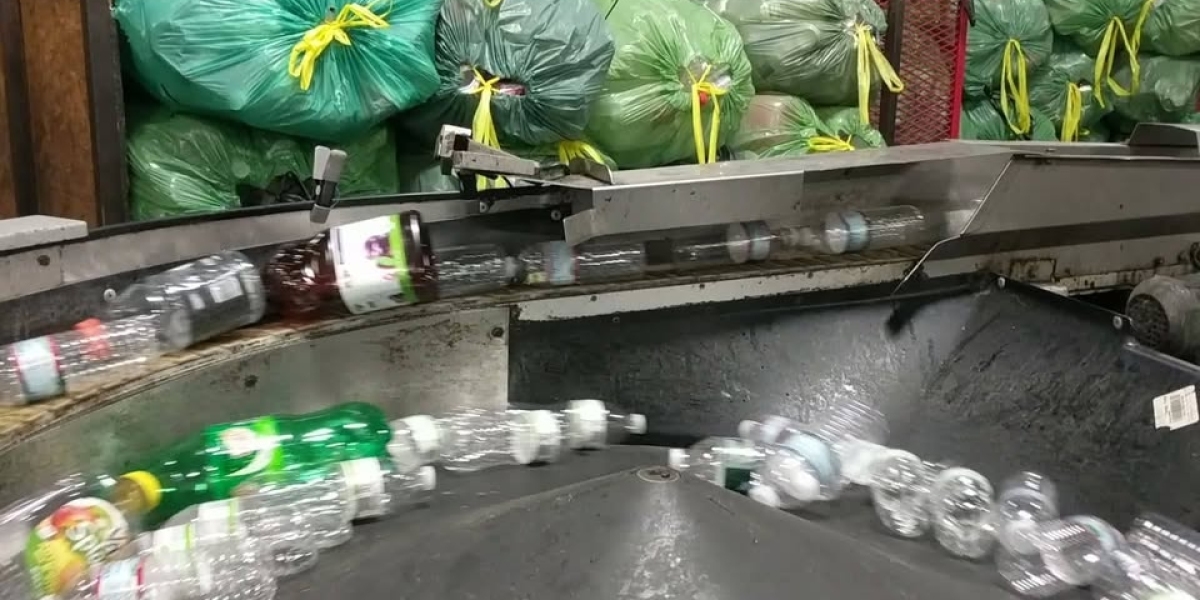
Once collected, bottles are transported to materials recovery facilities (MRFs) or specialized recycling plants. These facilities are designed to handle large volumes of waste and begin the sorting and processing phase.
- Sorting by Material Type
Bottles are sorted based on their material: plastic (PET or HDPE), glass, or aluminum. Advanced sorting technology such as optical scanners, magnets, and air jets help separate the materials accurately. This step is crucial because mixed or contaminated materials can ruin entire batches of recyclables.
For plastic bottles, sorting also includes separating them by color and resin type. Glass bottles are typically sorted by color—clear, green, and brown.
- Cleaning and Decontamination
Once sorted, bottles undergo a cleaning process to remove labels, adhesives, and any leftover liquid or debris. This step is essential to prevent contamination in the next stage. In plastic recycling, bottles are shredded into flakes or pellets and washed thoroughly to remove any contaminants.
Glass bottles are usually crushed into cullet—small pieces of glass—after cleaning. Aluminum cans are often cleaned and shredded before being melted down.
- Processing and Transformation
After cleaning, the bottles are processed into raw materials for reuse:
- Plastic bottles are melted and turned into plastic pellets, which can be used to make new bottles, clothing, carpets, or other plastic products.
- Glass bottles are melted in furnaces and formed into new containers or used in construction materials like fiberglass insulation.
- Aluminum cans and bottles are melted and formed into new cans or automotive parts. Aluminum is one of the easiest and most efficient materials to recycle.
- Manufacturing New Products
The final stage of the bottle recycling process involves using the recycled materials to manufacture new products. Recycled plastic might become part of a new water bottle or packaging tray. Recycled glass may be used in new bottles or tiles. Recycled aluminum returns to store shelves as new beverage cans—often within 60 days.
Why Is Bottle Recycling Important?
- Environmental Benefits
Recycling bottles reduces the need for raw materials, such as petroleum (for plastics), bauxite ore (for aluminum), and sand (for glass). This saves natural resources and decreases pollution from extraction processes.
Recycling also cuts down on greenhouse gas emissions. For instance, recycling one ton of plastic saves approximately 1,000–2,000 gallons of gasoline.
- Energy Conservation
Producing new products from recycled materials uses significantly less energy. Creating aluminum cans from recycled aluminum uses 95% less energy than making them from raw ore.
- Reduces Landfill Waste
By recycling bottles, we reduce the volume of waste sent to landfills, which are rapidly reaching capacity in many areas. This also decreases the chance of bottles ending up in oceans or rivers, where they can harm marine life.
- Economic Impact
Bottle recycling supports a growing green economy. It creates jobs in collection, sorting, and manufacturing, and contributes to the circular economy—where materials are reused continuously instead of discarded.
Challenges of Bottle Recycling
Despite the benefits, the bottle recycling process faces several challenges:
- Contamination from non-recyclable items or food residue
- Low recycling rates in some regions due to lack of infrastructure or public awareness
- Downcycling of plastics, which reduces their quality over time
To overcome these issues, better education, improved recycling technology, and supportive government policies are needed.
How You Can Help
You play a crucial role in making bottle recycling effective. Here’s how:
- Rinse your bottles before recycling to reduce contamination
- Remove caps and labels when possible
- Follow local recycling guidelines
- Participate in bottle deposit return programs
- Choose products made with recycled materials
Conclusion
Understanding how bottle recycling works helps us appreciate the journey that bottles take from our hands back into new products. By actively participating in the recycling process, we can all contribute to reducing waste, conserving resources, and building a more sustainable world

Reddy Chill
2 posts
-
 Chi phí logistics chiếm gần nửa lợi nhuận của doanh nghiệp xuất khẩu
Chi phí logistics tăng cao gây áp lực lớn cho doanh nghiệp xuất khẩu Việt Nam, trong khi nhiều giải pháp đề xuất nhằm cải thiện tình hình.
-
 BSC HR Coils: The Backbone of Reliable Steel Manufacturing
At Bharat Steel (Chennai) Pvt. Ltd. (BSC), we supply premium-quality Hot Rolled (HR) Coils that serve as the foundation for countless industrial and infrastructure applications. Sourced from leading steel manufacturers, our HR coils deliver the strength, durability, and consistency require
-
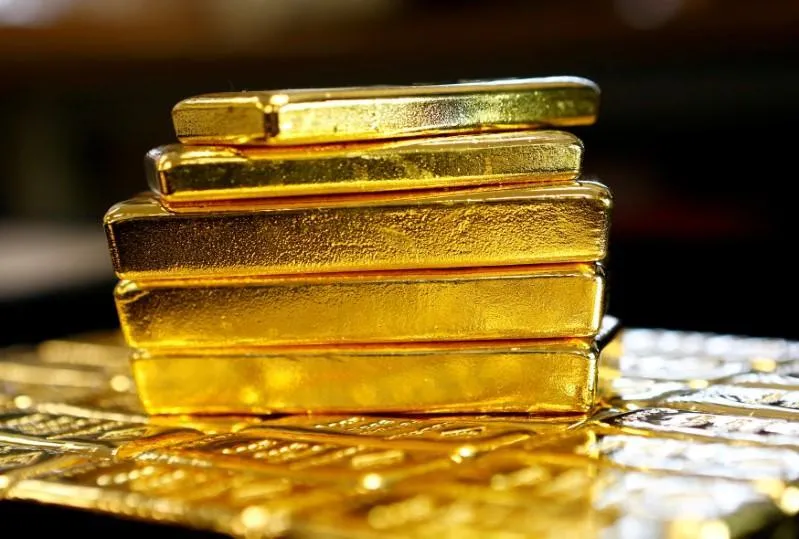 Giá vàng thế giới tăng tuần đầu tiên sau hơn 1 tháng, Đà Nẵng tiếp tục cấp đất cho dự án Golden Hills City
Giá vàng tăng tuần đầu tiên sau hơn một tháng do báo cáo việc làm yếu tại Mỹ, trong khi Đà Nẵng cấp đất cho dự án Golden Hills City
-
 UK domestic holiday bookings surge amid travel concerns
UK domestic holiday bookings are on the rise as Britons opt for home stays over international trips due to concerns about flight cancellations and long delays at EU borders.
-
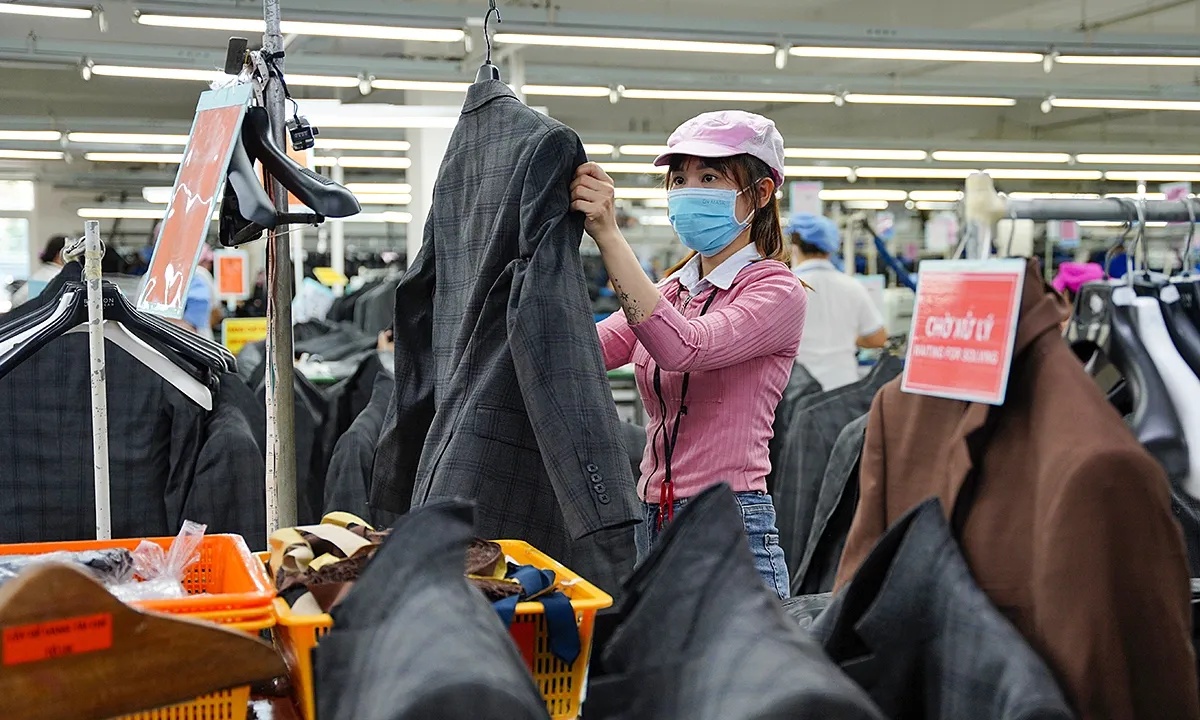 Doanh nghiệp Việt Nam gặp trắc trở trong việc tiếp cận vốn do thiếu tài sản thế chấp
Doanh nghiệp Việt Nam thiếu tài sản thế chấp để vay vốn, gây khó khăn trong hoạt động kinh doanh.
-
 Peter Checkland: Pioneering Thinker Behind Soft Systems Methodology
Peter Checkland's innovative Soft Systems Methodology revolutionized management approaches by focusing on complex human interactions.
-
 Nhiều quỹ mở cổ phiếu thua lỗ trong nửa đầu năm
Nhiều quỹ mở cổ phiếu thua lỗ trong nửa đầu năm 2023, chỉ duy nhất một quỹ vượt trội so với thị trường.
-
 UK Stock Market Rebounds Amid Global Economic Shifts
The UK stock market rebounded to close at a four-month high amid global economic shifts and rising concerns over fuel prices.
-
 Đại tá Vũ Cao Sơn bổ nhiệm Chánh văn phòng Bộ Tài chính: Khẳng định năng lực quản trị trong thời kỳ chuyển đổi số
Đại tá Vũ Cao Sơn được bổ nhiệm Chánh văn phòng Bộ Tài chính, nâng cao chất lượng công tác tham mưu và phối hợp điều hành trong bối cảnh cải cách quản trị.
-
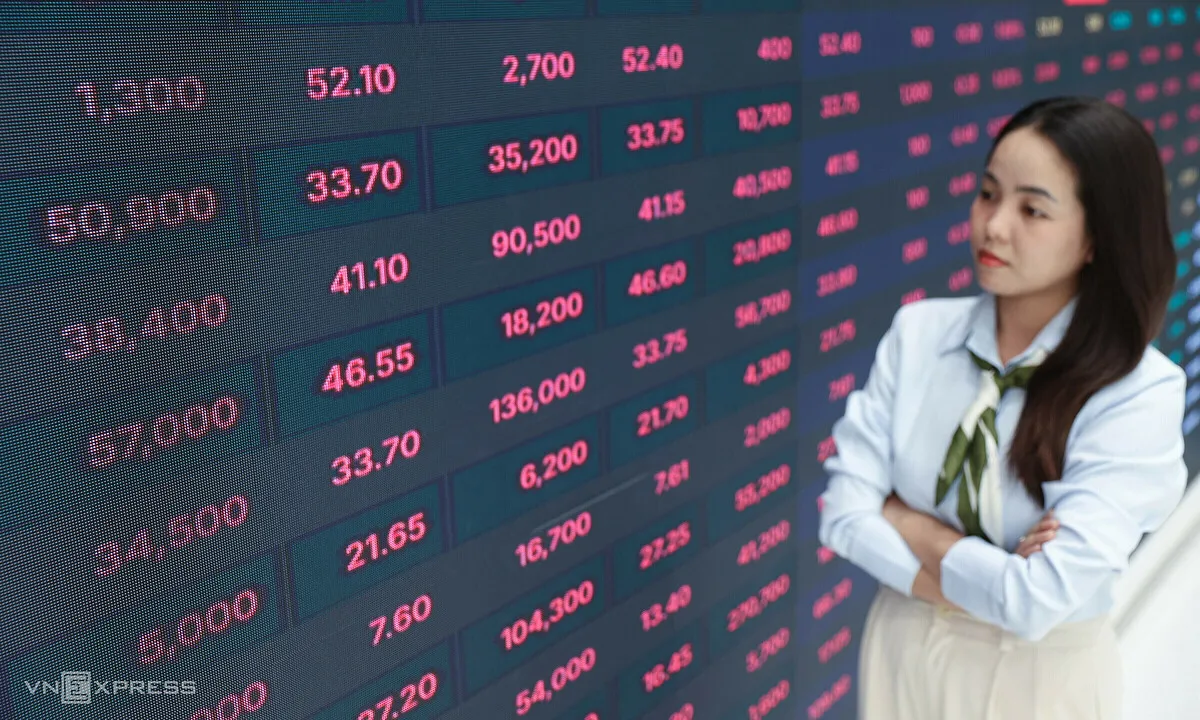 Chứng khoán tuần này giảm điểm, thanh khoản thấp và dòng tiền ngoại bán ròng
Chứng khoán tuần qua giảm gần 10 điểm do ảnh hưởng từ cổ phiếu vốn hóa lớn, thanh khoản duy trì ở mức thấp và bị dòng tiền nước ngoài tác động.
-
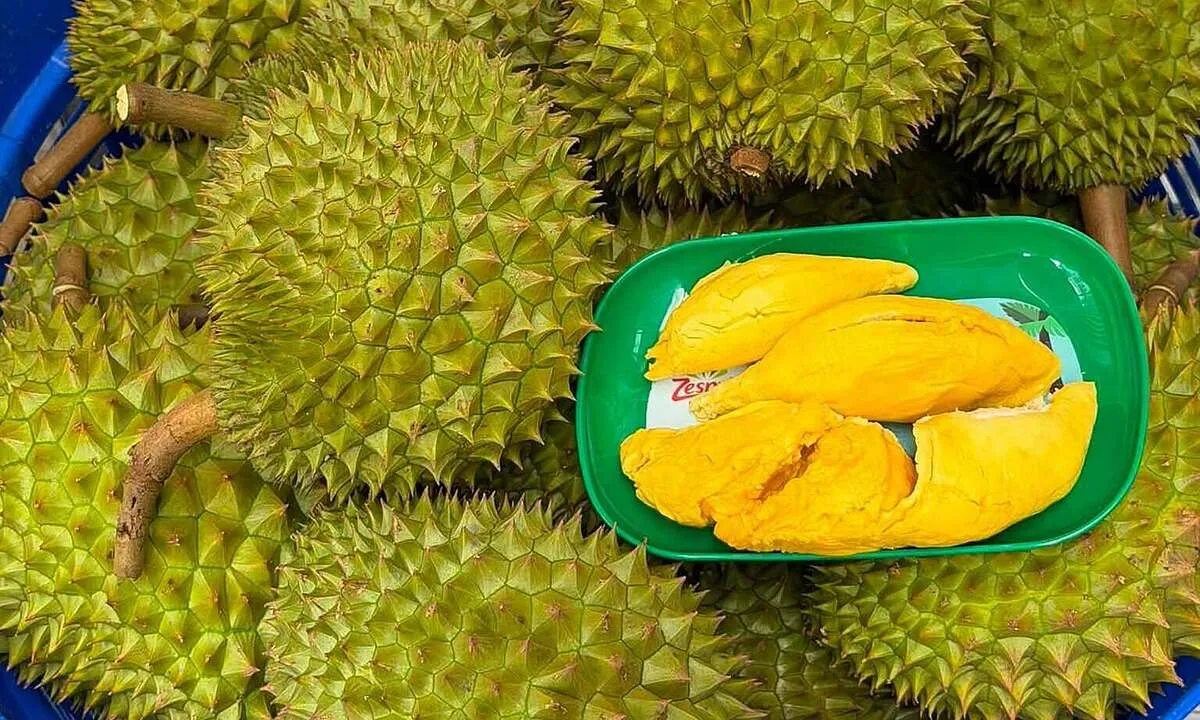 Giá sầu riêng tiếp tục suy giảm do ảnh hưởng của thời tiết và tiêu chuẩn xuất khẩu
Giá sầu riêng tiếp tục giảm sâu do mưa kéo dài và chất lượng trái kém, ảnh hưởng trực tiếp đến thu nhập của nông dân.


