By Sara Hudston • July 1, 2026 • Environment
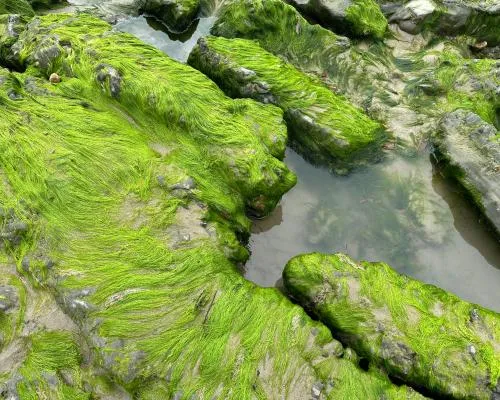
Charmouth, Dorset: On a busy beach day, I find bright green gutweed thriving by the river mouth. It’s resilient – and loves the nutrients found in sewage
Charmouth beach is always busy. Even on grey and stormy winter days, walkers and their dogs patrol the hissing waves, and fossil hunters pick over rubble newly fallen from the black cliffs. With summer here and school holidays approaching, the sands are strewn with visitors and the car park packed with glittering windscreens. It’s a lovely place to swim, as long as you heed the council signs warning of E coli and keep away from the River Char and its immediate outflow, which is often contaminated. While the seawater is designated as safe for bathing, it also becomes cleaner as it progresses west, a process that is mapped out organically on the rocks that appear at low tide. Those near the river mouth are covered with a rippling mono-pelt of bright-green gutweed (Ulva intestinalis). Also known as grass kelp because of its colour, this harmless common seaweed is found all around UK shores. It’s a fast-growing summer plant that dies off at the end of the season, leaving bleached and deflated white hanks that disintegrate as the autumn progresses. Highly resilient, in its prime it can survive in exposed places that dry out completely every low tide. Its ability to trap moisture in its dense filaments means that it provides a valuable refuge for tiny marine creatures that would otherwise perish. Hundreds of copepods – microscopic crustaceans that scavenge on bacteria and algae – can shelter in the hollow space inside a single translucent frond. Gutweed is a useful part of seashore ecology, but its growth can be boosted artificially by nutrients found in sewage and agricultural runoff. Walk away from the river and it becomes less dominant. By the time you reach the flat Blue Lias pavements of Bar Ledges, it intermingles with a brown, rubbery mix of wrack and kelp, tufted with red coral weed, none of which respond so prolifically to extra nitrogen. Some of the larger boulders are encrusted with brittle frills of pink plates (Mesophyllum lichenoides), a chalky, coralline species that seems halfway to becoming stone. Their fixity echoes the spiral bosses of ammonites in the rock underfoot, a reminder that one day all these weeds and creatures will be another sedimentary layer in Earth’s history. • Under the Changing Skies: The Best of the Guardian’s Country Diary, 2018-2024, is available now at guardianbookshop.com
Source: The Guardian

Green News
191 posts
-
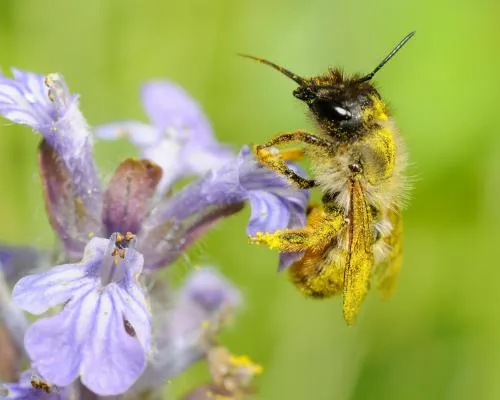 Specieswatch: How heatwaves play havoc with bees’ fertility
Study reveals extreme heat causes sharp drop with knock-on effect for pollination of food crops in following years
-
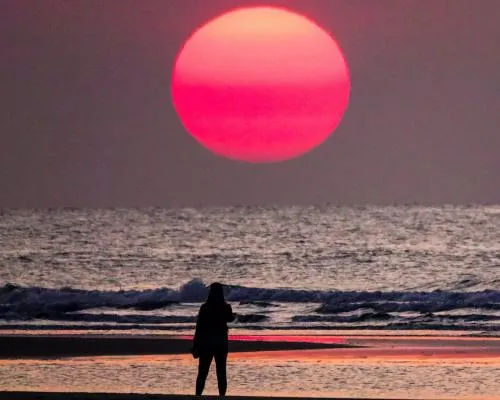 Ocean surface temperatures hit a record high for June
European scientists warn of consequences for weather patterns, the global climate and marine life
-
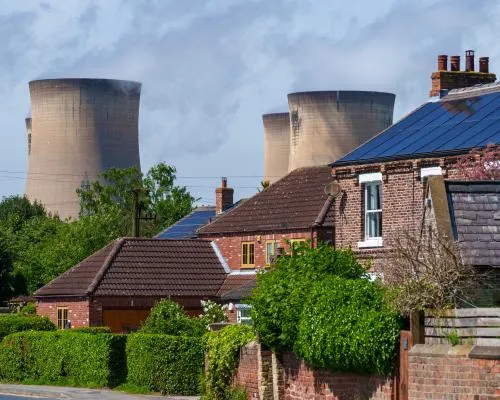 ‘But we’re just 1% of emissions’: do smaller countries’ climate efforts matter?
Past and present leaders of wealthy nations such as UK and Germany have argued their actions are insignificant
-
 Many Australians can get three free hours of power from today. Here’s how
Residents of Queensland, New South Wales and South Australia with a smart meter can access the Solar Sharer energy offer from 1 July
-
 Labour MPs tell Burnham to ignore ‘deluded’ calls for more North Sea drilling
Critics debunk economic claims as research finds Rosebank development would produce estimated 250m tonnes of CO2
-
 Reform UK chair of Welsh environment committee may ‘undermine scrutiny’, says thinktank
Climate campaigners question choice of James Evans for role given past criticism of green energy projects
-
 ‘Living laboratory’: Suffolk agroforestry farm seeks community ownership to survive
Wakelyns needs £1.2m to save its diverse organic crops and ‘micro’ enterprises including a bakery and honeybee hives
-
 How I survived the record Paris heatwave while seven months pregnant
It feels as if we are being abandoned to our fate by those in power, with further extreme heat expected next week
-
 Dangerous temperatures forecast for parts of Europe as heatwave moves east
Red warnings issued in Hungary, Poland, Romania and the Balkans, with authorities urging people to stay indoors
-
 Europe heatwave shows need to reject climate denial ‘lies’, says EU green chief
Teresa Ribera blames ‘ideologically driven’ falsehoods, driven by those with vested interests in fossil fuels, for attacks on green policy


