China has accused Japan of ‘reckless militarism’. What’s behind the latest tensions?


By Gavin Blair in Tokyo • July 2, 2026 • World news
China has denounced Japan’s ‘reckless new militarism’, while Tokyo has protested what it claims are Beijing’s defensive incursions, as relations sour
Relations between Tokyo and Beijing have ebbed and flowed in the decades since the second world war, but hit an undeniable low this week. Denouncing what it proclaimed was Japan’s “reckless pursuit of ‘new militarism’”, this week China imposed new export controls on 40 Japanese companies over dual-use items, or items that can be used for both civilian and military purposes. The move came as Tokyo protested against joint exercises by Chinese and Russian bombers near its airspace, and claims that the Chinese coast guard had entered its Exclusive Economic Zone. Japan also announced it was deploying missiles launchers on its easternmost island. What has sparked the tit-for-tat tensions, and is an off-ramp likely? What led to the latest tensions? In November 2025, less than three weeks after taking office, Japanese prime minister Sanae Takaichi sparked controversy when she said that an attack on Taiwan could trigger the deployment of her country’s self-defence forces if the conflict posed an existential threat to Japan. Takaichi’s comments were not a deviation from official policy, but in the past Japanese leaders have avoided commenting on potential Japanese military involvement in Taiwan. Beijing’s response was swift and furious: it accused Takaichi of interfering in domestic Chinese affairs, implemented economic sanctions, cancelled diplomatic meetings and discouraged its citizens from visiting Japan. Flights have been reduced, academic and cultural exchanges cancelled, while a ban on the import of Japanese seafood has been continued. Do Japan and China have a history of hostility? Despite being colonised and exploited by foreign powers including Britain, France, the United States, Russia, and Germany, China feels keenly its suffering at the hands of the Japanese, a much smaller Asian neighbour that it influenced culturally and linguistically. Beijing believes Tokyo has never sufficiently apologised for Japan’s brutal second-war occupation of China. It is this wound that China evokes when it accuses Japan of remilitarising and threatening regional peace. Dozens of apologies have been made by Japanese prime ministers, cabinet members and major corporations, along with expressions of remorse by emperors and other senior figures. But Japan falls short in comparison with Germany, which went to extraordinary lengths to learn from its wartime history. At the same time, visits by Japanese politicians to Yasukuni Shrine, where the souls of “Class A war criminals” who were convicted of plotting and waging the war are said to be enshrined, fuel claims the nation is still in denial about a dark chapter in its history. Is Japan pursuing ‘neo-militarism’? China’s growing assertiveness and concerns about whether Japan can rely on the US under Donald Trump are driving its push to boost its defence capabilities. Japan has increased its defence budget by 9.4% to around $58bn this year, as it moves towards a target of spending 2% of GDP. Revisions of the pacifist clause in Japan’s constitution, imposed postwar by the US, is a longstanding mission of the ruling Liberal Democratic Party’s right wing, of which Takaichi is a part. They argue that its restrictions on Japan’s ability to defend itself against a more powerful China and a nuclear-armed North Korea are unrealistic in the face of current geopolitical realities. Though China’s spending on defence is nearly five times larger than Japan’s at $275bn, its huge population makes its per capita spending lower, something Beijing emphasises in its claims about Japanese remilitarisation. However, many observers believe China understates its defence budget, partly by reclassifying military research and other related spending. How have tensions affected trade, and is a rapprochement likely? Frosty relations have hurt commerce. China has restricted rare earth exports (and recently arrested two Japanese nationals it accuses of flouting those regulations). Chinese tourist visits to Japan dropped 45% in February, while Japanese films have seen lucrative releases in China nixed. Despite vacillating political temperatures over the decades, business between the two continues to expand, topping $322bn in 2025. Though there are concerns about longer-term impacts, bilateral trade continued to grow in the first five months of this year. Ultimately, this economic interdependence may halt further escalation. Japanese diplomatic efforts are now focused on rapprochement via an expected meeting between Takaichi and China’s Xi Jinping at the APEC summit in Shenzhen this November. But senior Chinese figures, including foreign ministry spokesperson Lin Jian, have repeatedly called for Takaichi to withdraw her comments on Taiwan, something she will be loath to do given how popular they were with her supporters.
Source: The Guardian
Guardian News World
447 posts
-
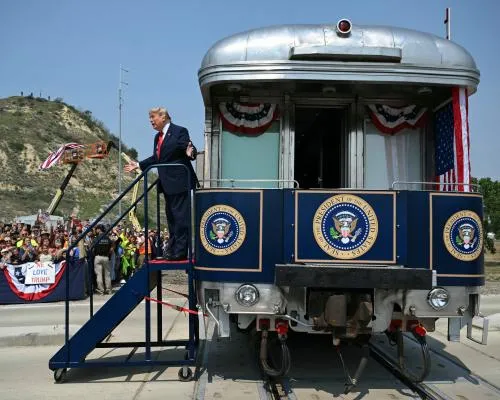 Trump sees bond with ‘great he-man’ Theodore Roosevelt at lavish library opening
Bizarre 250th spectacle in North Dakota sees Trump take ride on red, white and blue train – and speak with hologram of 26th president
-
 Salzburg bans tourists from driving into historic centre over summer
Day trippers face fines for entering Austrian city’s old town during July and August to curb ‘chaotic traffic situations’
-
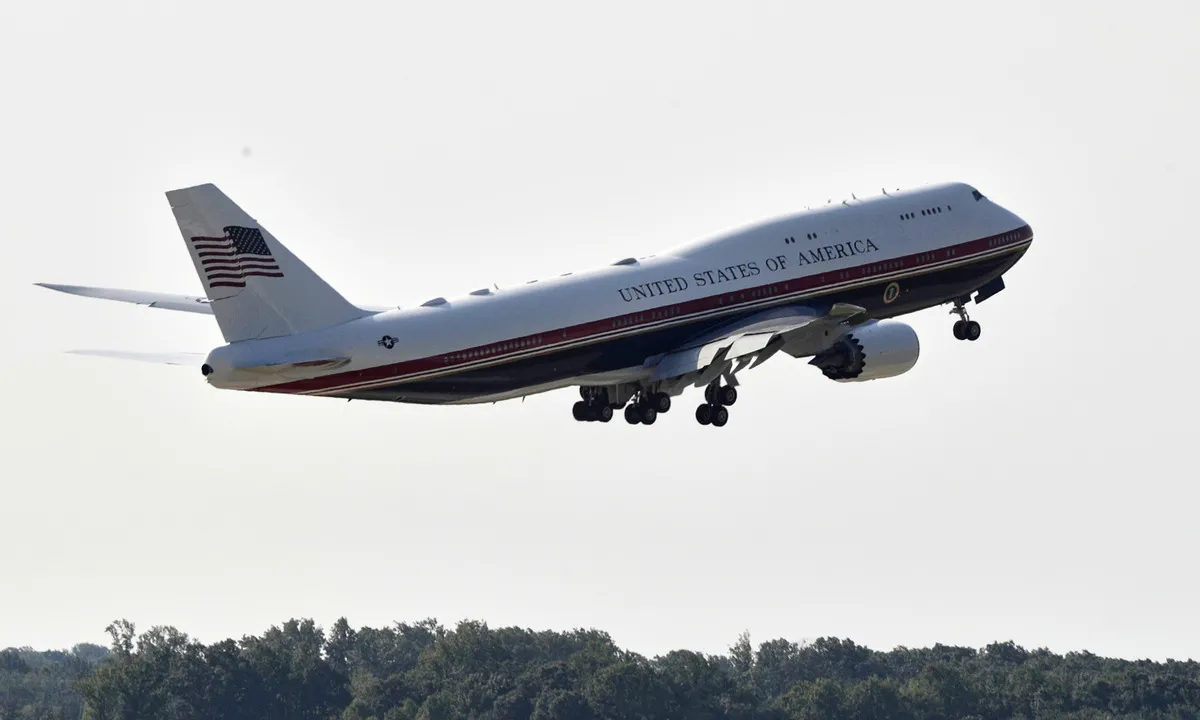 Ông Trump cân nhắc quay lại tấn công Iran sau chuyến bay mới
Tổng thống Trump có chuyến bay đầu tiên trên chuyên cơ Không lực Một mới, đồng thời cân nhắc quay trở lại xung đột toàn diện với Iran sau các cuộc thảo luận với quan chức quân sự.
-
 Nancy Guthrie: FBI clarifies it is investigating some extortion demands as legitimate
Statement comes a day after report that three messages received in case were determined to be fake
-
 Mỹ tăng cường truy quét 'du lịch sinh con'
Mỹ tăng cường truy quét các đường dây 'du lịch sinh con' để ngăn chặn tình trạng lợi dụng hệ thống nhập cư.
-
 Authorities arrest 10 people accused of facilitating sex trafficking in Los Angeles
Prosecutors said members of the a gang targeted about 51 underage girls and women along LA’s Figueroa corridor
-
 The Harvard astronomer dubbed Trump’s chief alien hunter starts by assuming UFOs human-made
Avi Loeb’s White House panel has asked the Pentagon for videos and files on unexplained aerial sightings
-
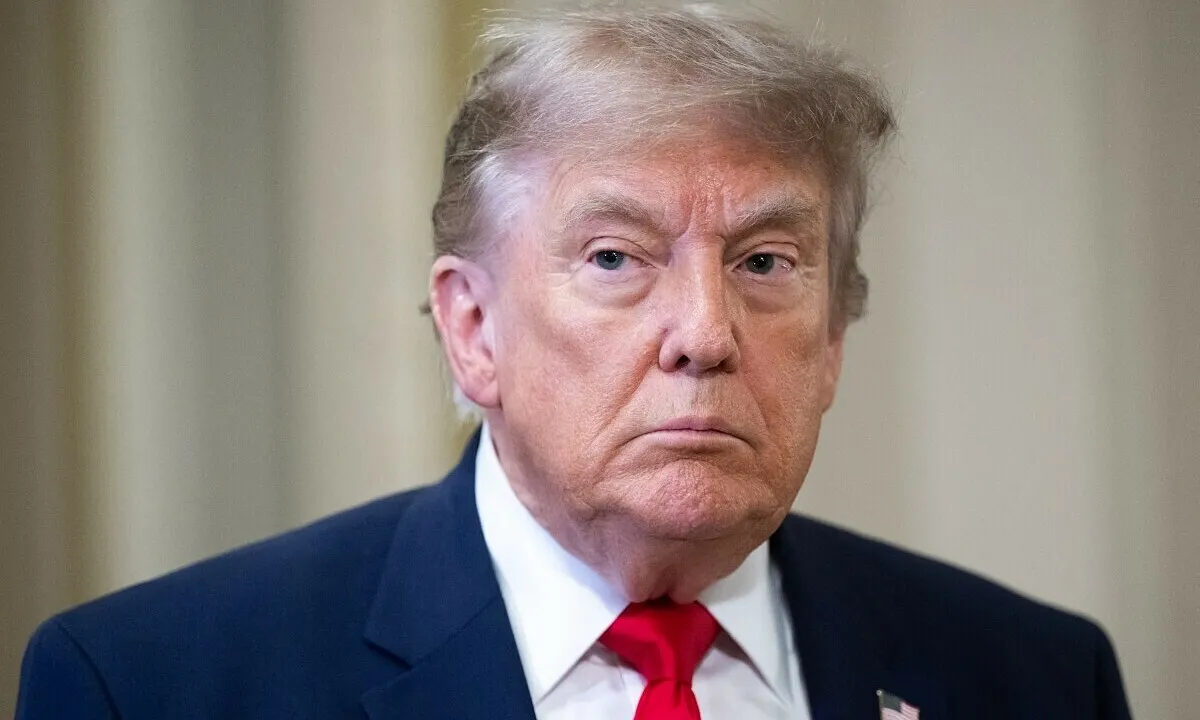 Tòa Tối cao Mỹ quyết định ranh giới quyền lực của Tổng thống Trump
Tòa án Tối cao Mỹ vừa ra phán quyết mở rộng quyền lực của Tổng thống Trump nhưng vẫn kìm hãm với chính sách xóa bỏ quyền công dân theo nơi sinh.
-
 Student drowns in River Wye while on Duke of Edinburgh’s Award trip to Wales
Body of 18-year-old man located after search involving Mountain Rescue, police and the fire service
-
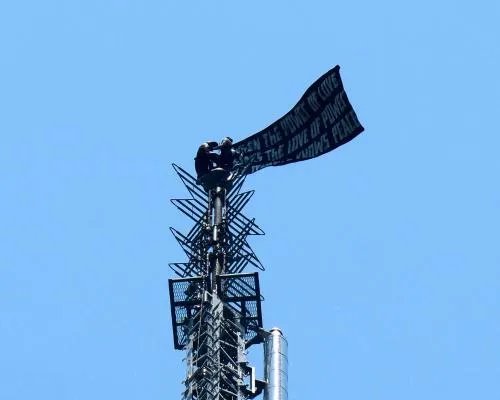 Two people arrested in apparent marriage proposal atop Empire State Building
Pair also unfurled a large black banner displaying a message of peace on top of New York landmark


