Introduction:
Grass-fed beef often conjures images of idyllic pastures and happy cows roaming freely. It's marketed as a more ethical and sustainable option compared to conventionally raised beef. However, beneath this picturesque facade lies a reality that many consumers are unaware of – the cruelty inherent in grass-fed beef production. Grass-fed beef cruelty
The Myth of Ethical Farming: Heading: Ethical Chicken Farming
While the term "grass-fed" may evoke notions of humane treatment, the truth is far from it. In our quest for ethically sourced meat, it's crucial to examine the broader landscape of animal agriculture, including practices such as ethical chicken farming. By juxtaposing these practices, we can gain a clearer understanding of the ethical implications of our dietary choices.
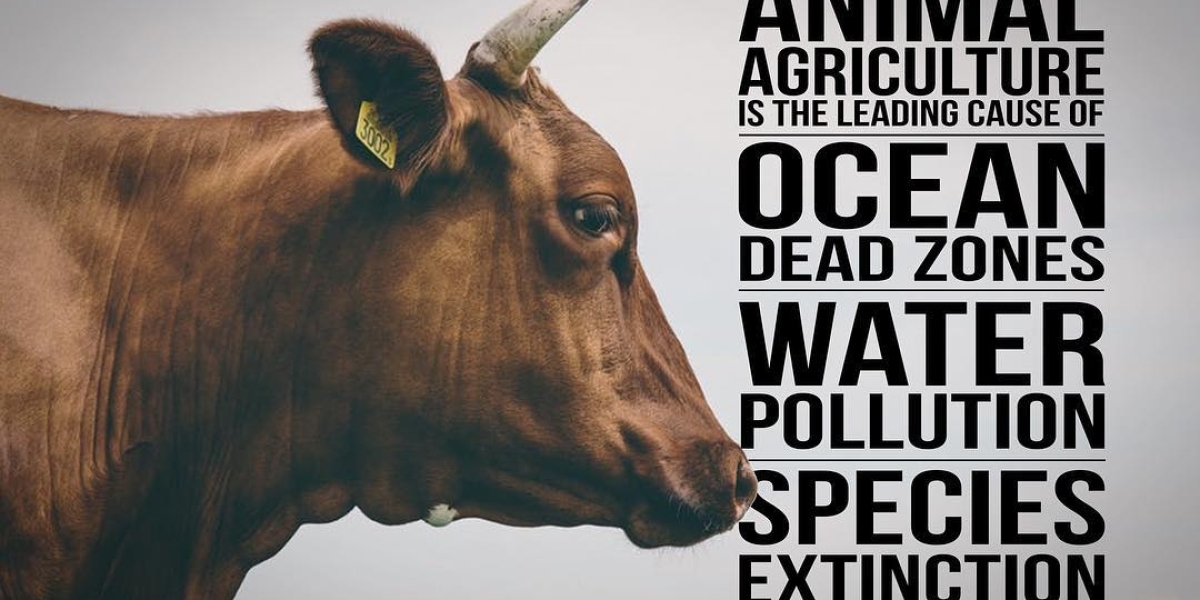
Grass-Fed Beef: The Dark Side of the Pasture:
Despite the pastoral imagery associated with grass-fed beef, the reality is often starkly different. Many grass-fed operations subject their cattle to inhumane conditions, including overcrowded pastures, lack of access to veterinary care, and minimal oversight. Additionally, the process of transporting cattle to different grazing areas can be stressful and traumatic for the animals.
Environmental Impact:
Grass-fed beef is often touted as a more environmentally friendly option due to its reliance on pastureland rather than feedlots. However, this overlooks the significant environmental impact of grazing, including deforestation, soil degradation, and methane emissions. In contrast, ethical chicken farming emphasizes sustainable practices such as rotational grazing and habitat preservation, minimizing its ecological footprint.
Health Considerations:
While grass-fed beef may offer some nutritional advantages over its conventional counterpart, such as higher levels of omega-3 fatty acids, it's essential to consider the broader health implications of meat consumption. Research suggests that diets high in red meat, regardless of production method, may increase the risk of cardiovascular disease and certain cancers. In contrast, ethically raised chicken provides a leaner protein source with lower levels of saturated fat.
A Call for Conscious Consumption:
As consumers, we have the power to drive change through our purchasing decisions. By educating ourselves about the realities of grass-fed beef production and supporting truly ethical farming practices, such as ethical chicken farming, we can advocate for a more compassionate and sustainable food system. Let's choose empathy and awareness in every bite we take.
Conclusion:
Grass-fed beef may promise a bucolic ideal, but the truth is far from idyllic. By delving beneath the surface, we uncover the hidden cruelty and environmental consequences of this industry. Instead of blindly accepting marketing narratives, let's embrace a more conscious approach to food consumption, one that prioritizes the well-being of animals, the planet, and ourselves.

An Happy
32 posts
-
 The Timeless Appeal of DLF Park Place Sector 54 Gurgaon: A Living Legacy
Living at DLF Park Place Sector 54 Gurgaon means becoming part of an established, sophisticated, and close-knit neighborhood. The clubhouse acts as the center of social activity, hosting everything from fitness sessions and sporting events to community gatherings.
-
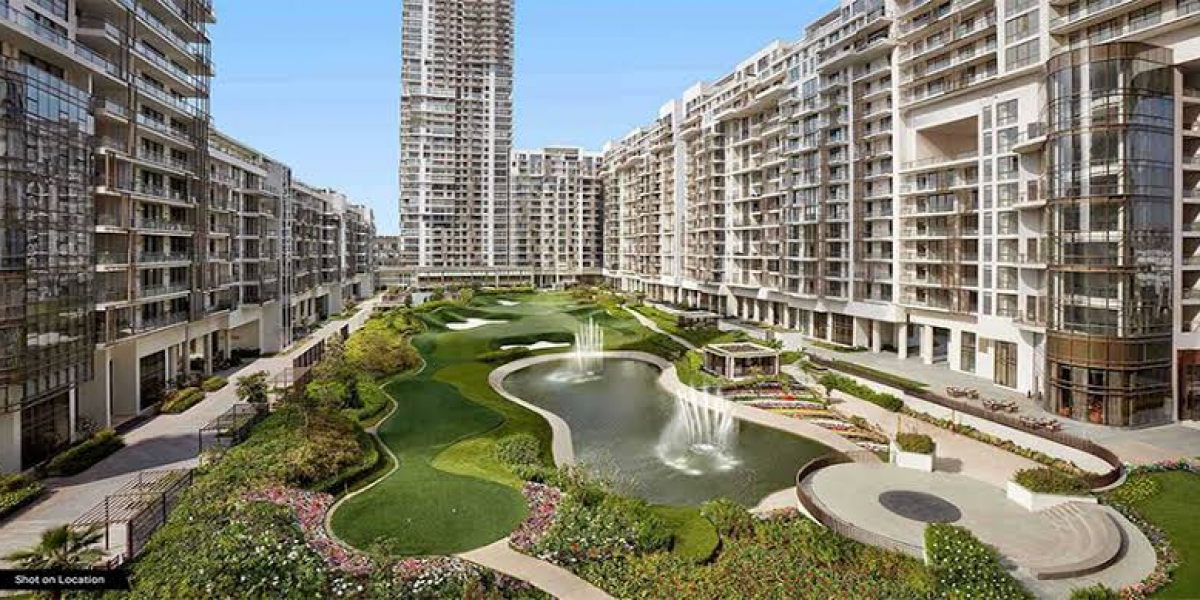 Redefining Luxury: The Iconic M3M Golf Estate, Sector 65
In the bustling landscape of Gurugram, few addresses command the same level of prestige and architectural grandeur as M3M Golf Estate, Sector 65. As one of the most prominent residential landmarks along the Golf Course Extension Road, this project has effectively transformed the concept of
-
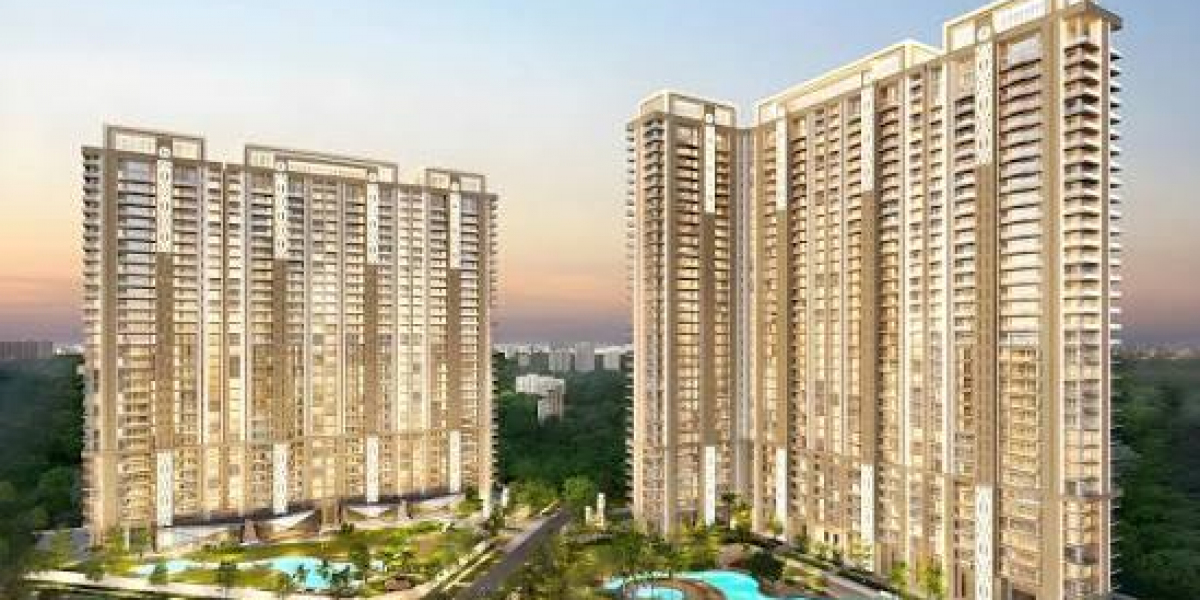 Redefining Ultra-Luxury: A Deep Dive into Whiteland Westin Residences, Sector 103, Gurgaon
In the heart of the rapidly evolving Dwarka Expressway corridor, a new benchmark for premium living has emerged. Whiteland Westin Residences, located in Sector 103, Gurgaon, isn't just a residential project—it is a landmark collaboration that brings the world-renowned hospitality o
-
 Green Engineering and Health Optimization at Whiteland The Aspen
To address this, Whiteland Corporation integrated specialized CTMA3 Air Purification technology into the core building systems. This central air infrastructure works continuously to treat, filter, and circulate air throughout enclosed common areas, double-height entrance lobbies, and tower
-
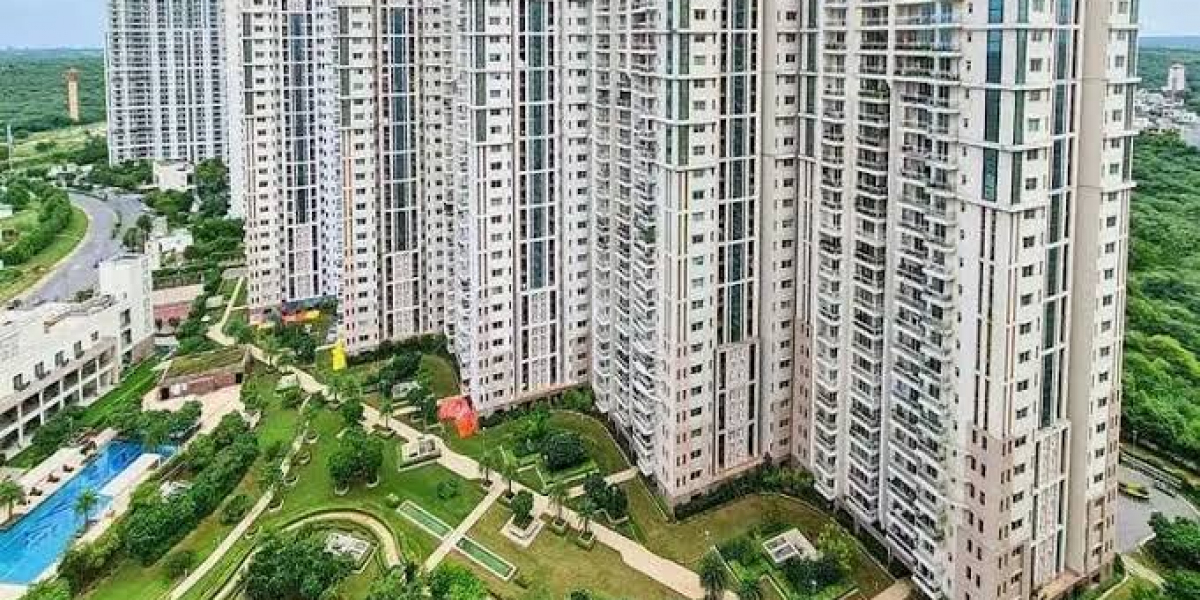 Mastering the Asset: Technical Infrastructure, Micro-Market Value, and Structural Layouts at DLF Park Place
This deep dive focuses on the granular technical infrastructure, exact structural layouts, and macro-economic factors that explain why this specific project maintains a massive edge over its competition in 2026.
-
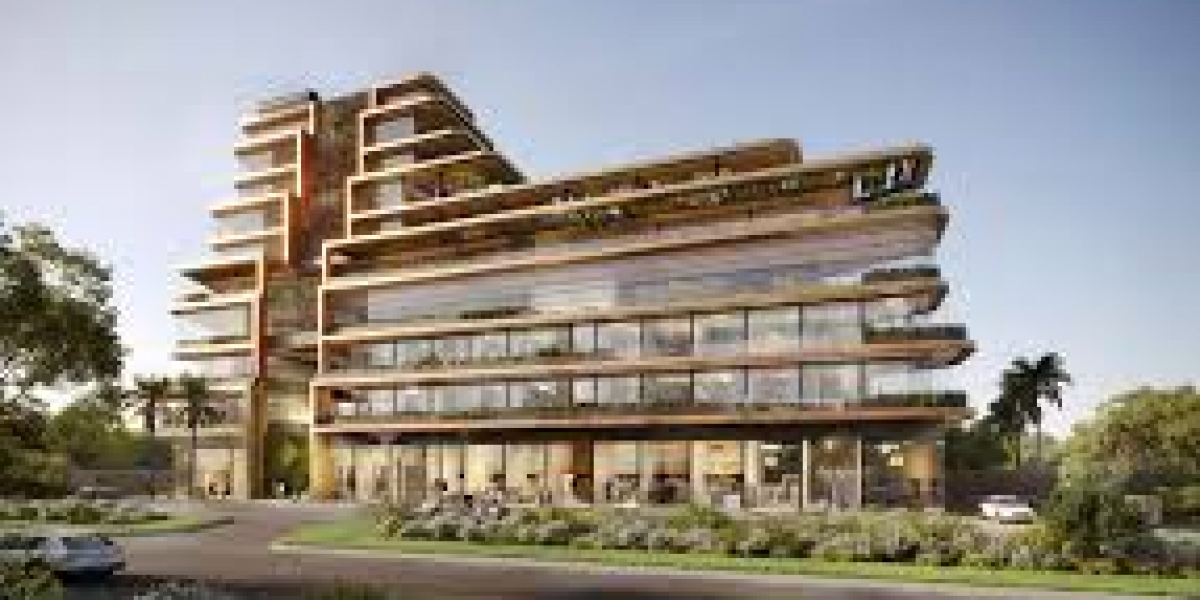 Brand Identity and Tenant Experience: Cultivating Loyalty at Elan Empire Gurgaon
Securing high occupancy in a premium high-street asset is only half the battle. For long-term viability, property management and individual investors must shift their focus to building tenant loyalty and creating a distinctive brand identity.
-
 Master Review: Evaluating Godrej Nature Plus, Sector 33, Gurgaon
The layout uses a smart structural pattern where towers are angled away from each other. This creates a staggered footprint that gives corner apartments clear, unblocked views of the Aravalli foothills while ensuring optimal morning and afternoon sunlight. Inside the towers, the floor plan
-
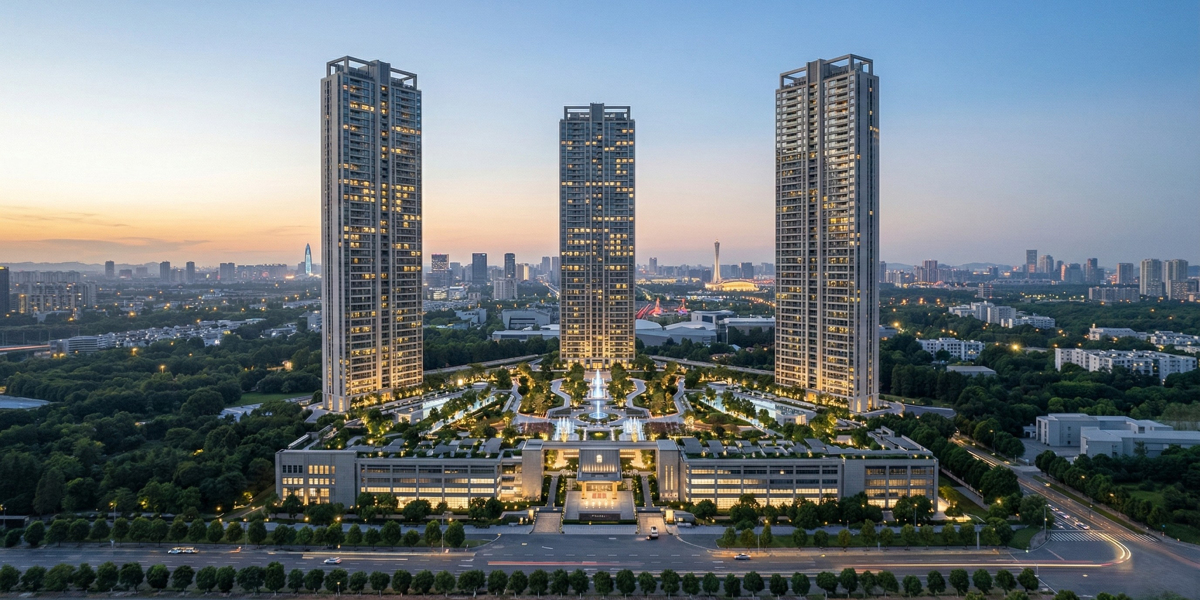 BPTP Downtown 66: A Masterpiece of Vertical Luxury in Sector 66
BPTP Downtown 66 has emerged as one of the most anticipated high-rise developments on the Golf Course Extension Road. Designed by the globally acclaimed architectural firm Aedas, this project is not just a residential complex but a vertical ecosystem where luxury meets functionality.
-
 Aesthetic Clinic in Australia | Beauty Clinic in Carolina | PM Aesthetics
Discover a trusted aesthetic clinic in Australia and a professional beauty clinic in Carolina. PM Aesthetics offers advanced skincare, cosmetic treatments, and personalized beauty solutions.
-
 The Masterful Synergy at Signature Global Tonino Lamborghini
Signature Global Tonino Lamborghini Residences represents a ₹2,890 crore synergy of Italian supercar aesthetics and Indian engineering excellence in Sector 71.
-
 Sidewalk Repair NYC: A Complete Guide for Property Owners
Sidewalks in New York City endure constant wear and tear due to heavy foot traffic, extreme weather conditions, and tree root growth. Over time, cracks, uneven surfaces, and potholes can develop. These issues not only create an unpleasant appearance but also pose serious safety hazards for


