MBR stands for Membrane Bioreactor; it is an enhanced water and wastewater treatment technique that integrates biological processes and membrane separation. It is a contemporary development of standard activated sludge systems where membrane technologies are incorporated to enhance the solid-liquor demarcation process. The first purpose of an MBR system is to manage wastes and convert them into uncontaminated water, which may be utilized again or discharged into the environment. This technology has attracted many users because it is efficient, has a small size, and is suitable for fluctuating inflow water quality standards.
Main Elements of a Membrane Bioreactor
- Bioreactor: This is one of the successive chambers of membrane bioreactor where biological degradation of organic matter occurs. It harborsthe enzymes which decomposes the pollutants present in the wastewater. They can be large usually made of stainless steel and come in standard sizes according to the capacity of the system or the type of wastewater to be treated.
- Membrane Filtration Unit: Consequently, membranes are the key operating elements in MBR systems. It is their task to ensure that water treated is separated from sludge physically as well. The membranes are mainly polymer-based, for example, polyvinylidene fluoride (PVDF) or polysulfone, and are available in two forms; flat sheet and hollow fiber. The pore size of the membrane ranges from 0.1 to 0.4 microns and hence all microbial and particulate contaminants will be effectively filtered.
- Aeration System: The aeration system supplies air to the bioreactor to support the microbial transformation of aerobic pollutants. The oxygen also assists in retaining the appropriate environment for successful biologically enhanced treatment.
- Sludge Management System: This includes provision for dealing with the sludge that forms in the bioreactor as well as that which accumulates on the outer surface of the membrane. Some systems utilize the above-mentioned cleaning procedures, and in addition, some use periodic cleaning techniques in order to preserve the efficiency of the membranes.
Advantages of Membrane Bioreactor Technology
High-Quality Effluent
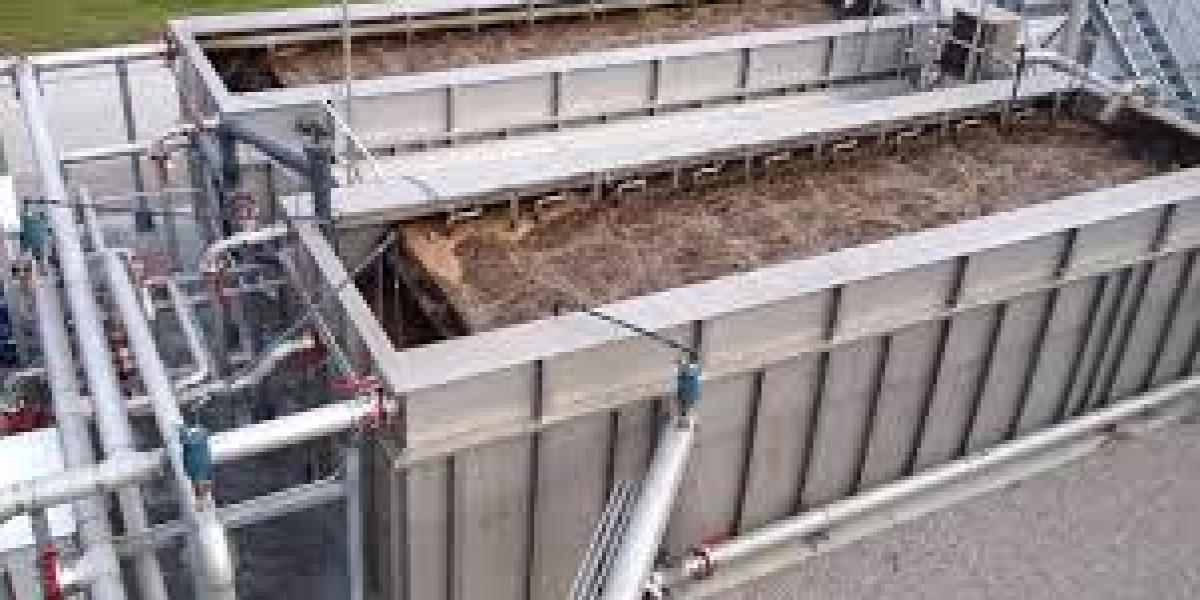
The major advantage of Membrane Bioreactor technology is its ability to produce high-quality effluent. The membranes, therefore, separate microorganisms and suspended solids from the treated water, leaving an effluent free from suspended particles, microorganisms, and organic contaminants. This makes it suitable for applications where the produced water has to meet rather strict discharge standards or is used for non-potable purposes such as irrigation, industry processes, or even flushing toilets.
Compact Design
Membrane Bioreactor are comparatively more compact compared to conventional activated sludge systems and have much less area requirements. They are ideally suited to areas where land is restricted or where stringent space allocations are made for small treatment facilities or in cities. Integration of membrane filtration does not require large settling tanks thereby reducing the general footprint of the plant.
Improved Efficiency
The membrane filtration ensures enhanced separation and retention of solids, thus high treatment efficiency. There is no gravity-based settling in the MBR, which allows it to operate at higher mixed liquor-suspended solids (MLSS) levels. This enhances biological treatment without the danger of sludge washout, thus leading to a concentration of biomass and probably using space in the bioreactor.
Less Chemical Usage
Membrane Bioreactor systems usually require fewer chemicals than traditional treatment processes. As the membranes facilitate effective filtration and separation, fewer chemical flocculants or coagulants are needed, thus the system is more environmentally friendly and economical in terms of chemical use.
Operational Flexibility
Primem’s MBR system provides flexibility in terms of operation since it is allowed to vary with changes in influent quality. Easily accommodates fluctuation flow rates, organic load, as well as the nature and types of pollutants, therefore suitable for municipal water wastewater treatment as well as for certain industrial processes where the quality of wastewater may vary from time to time.
Less Sludge Formation
While MBR systems produce sludge, the sludge produced is of higher quality and can be more easily treated or disposed of. The efficient separation of solids from the water reduces the volume of sludge that needs to be handled compared to conventional treatment systems.
The Future of Membrane Bioreactor Technology
Continued advancements in Membrane Bioreactor technology suggest that, shortly, MBR systems will become more efficient based on changes in membrane material, energy use, and fouling. Current research on meliorating includes improving the lifetime of membranes, so that the overall cost of their operation, and improving the filtration capabilities of membranes, thereby broadening the range of potential uses for MBR systems.
Summary
Primem’s Membrane Bioreactor is often used as a sophisticated wastewater treatment technology, as it effectively combines biological treatment with membrane separation to give high-quality effluent. In size, operation, and adaptability to fluctuating qualities of wastewaters accepted, it seems to fit both the city and the industrial requirements. Despite the limitations like membrane fouling and higher energy requirements, opportunities arising from research and development in new membranes and better utilization of the existing system in long-term application make MBRs an economically realistic option for global wastewater treatment and water recycling.

Andrew Tate
2 posts
-
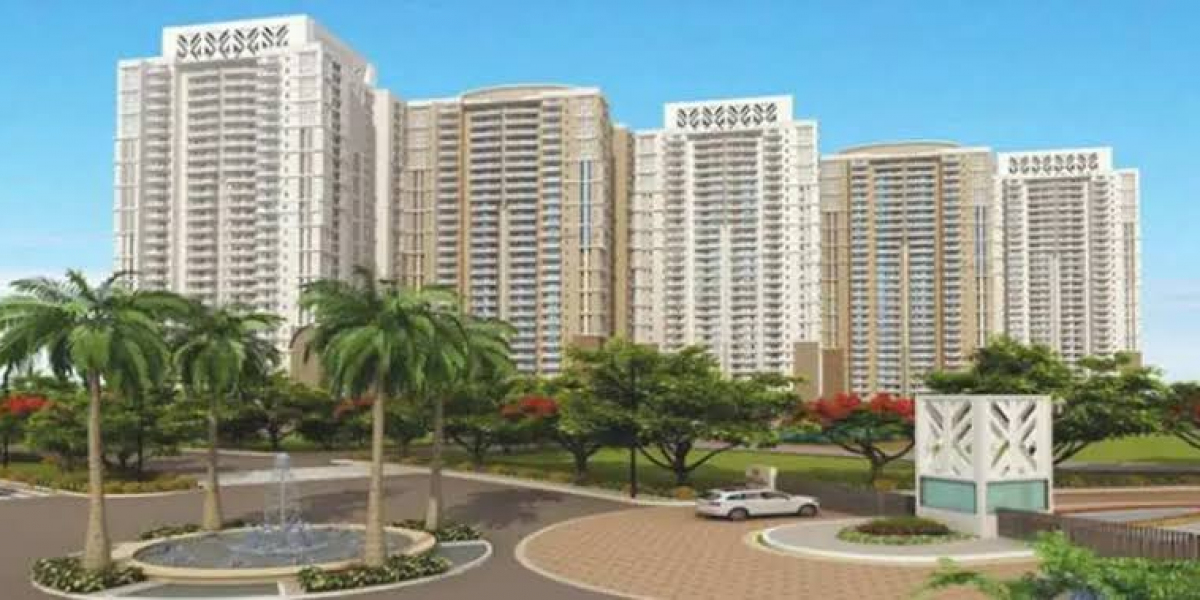 The Timeless Appeal of DLF Park Place Sector 54 Gurgaon: A Living Legacy
Living at DLF Park Place Sector 54 Gurgaon means becoming part of an established, sophisticated, and close-knit neighborhood. The clubhouse acts as the center of social activity, hosting everything from fitness sessions and sporting events to community gatherings.
-
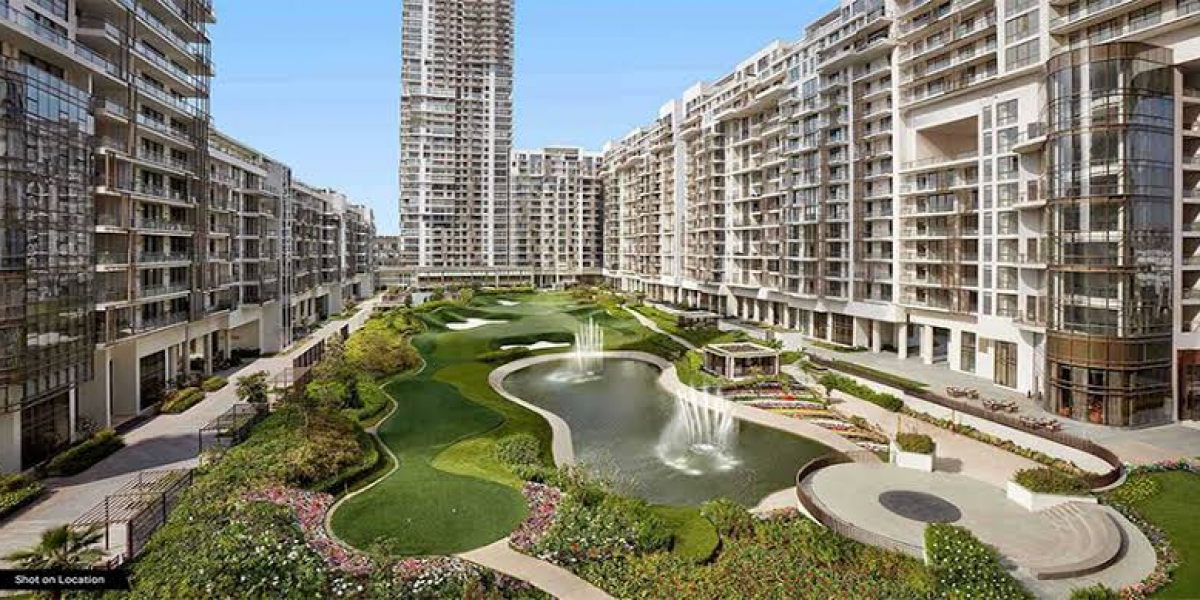 Redefining Luxury: The Iconic M3M Golf Estate, Sector 65
In the bustling landscape of Gurugram, few addresses command the same level of prestige and architectural grandeur as M3M Golf Estate, Sector 65. As one of the most prominent residential landmarks along the Golf Course Extension Road, this project has effectively transformed the concept of
-
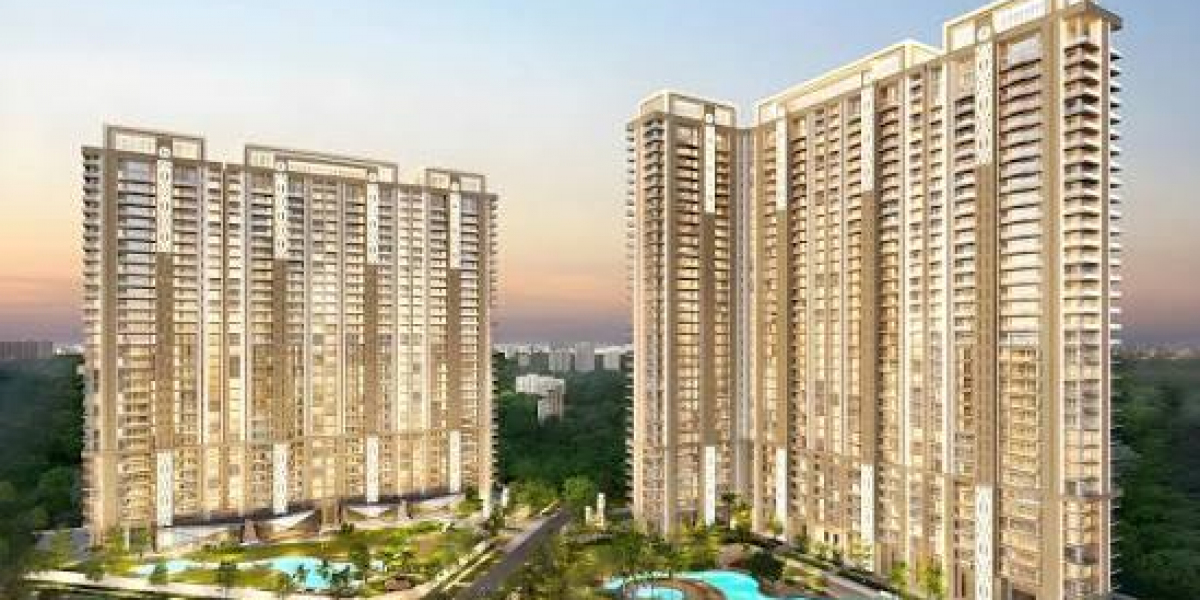 Redefining Ultra-Luxury: A Deep Dive into Whiteland Westin Residences, Sector 103, Gurgaon
In the heart of the rapidly evolving Dwarka Expressway corridor, a new benchmark for premium living has emerged. Whiteland Westin Residences, located in Sector 103, Gurgaon, isn't just a residential project—it is a landmark collaboration that brings the world-renowned hospitality o
-
 Green Engineering and Health Optimization at Whiteland The Aspen
To address this, Whiteland Corporation integrated specialized CTMA3 Air Purification technology into the core building systems. This central air infrastructure works continuously to treat, filter, and circulate air throughout enclosed common areas, double-height entrance lobbies, and tower
-
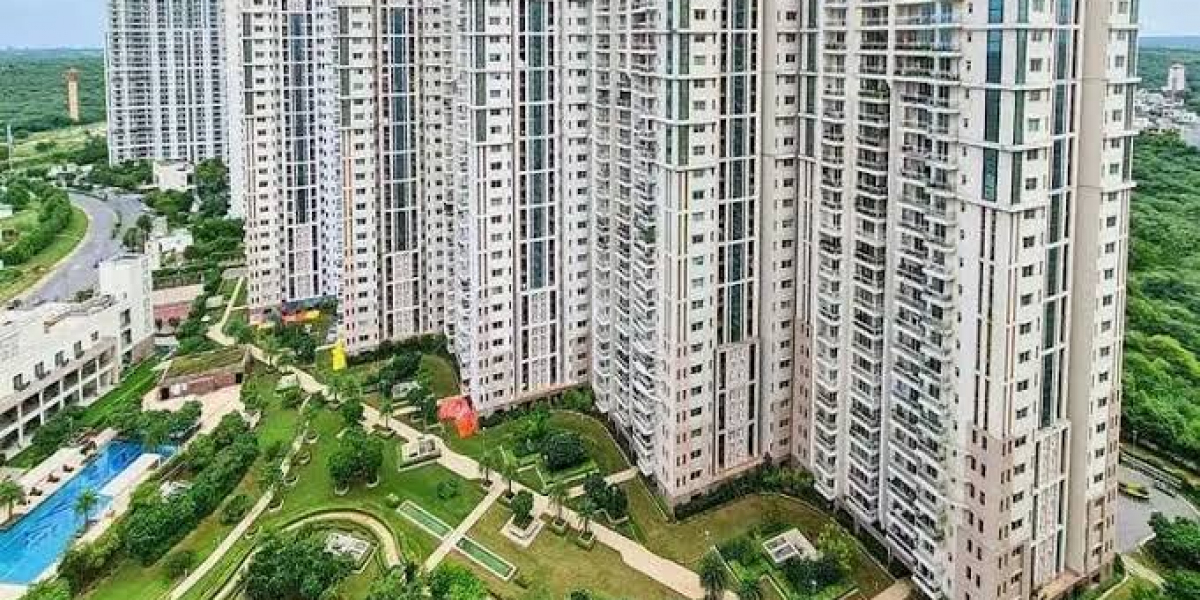 Mastering the Asset: Technical Infrastructure, Micro-Market Value, and Structural Layouts at DLF Park Place
This deep dive focuses on the granular technical infrastructure, exact structural layouts, and macro-economic factors that explain why this specific project maintains a massive edge over its competition in 2026.
-
 Brand Identity and Tenant Experience: Cultivating Loyalty at Elan Empire Gurgaon
Securing high occupancy in a premium high-street asset is only half the battle. For long-term viability, property management and individual investors must shift their focus to building tenant loyalty and creating a distinctive brand identity.
-
 Master Review: Evaluating Godrej Nature Plus, Sector 33, Gurgaon
The layout uses a smart structural pattern where towers are angled away from each other. This creates a staggered footprint that gives corner apartments clear, unblocked views of the Aravalli foothills while ensuring optimal morning and afternoon sunlight. Inside the towers, the floor plan
-
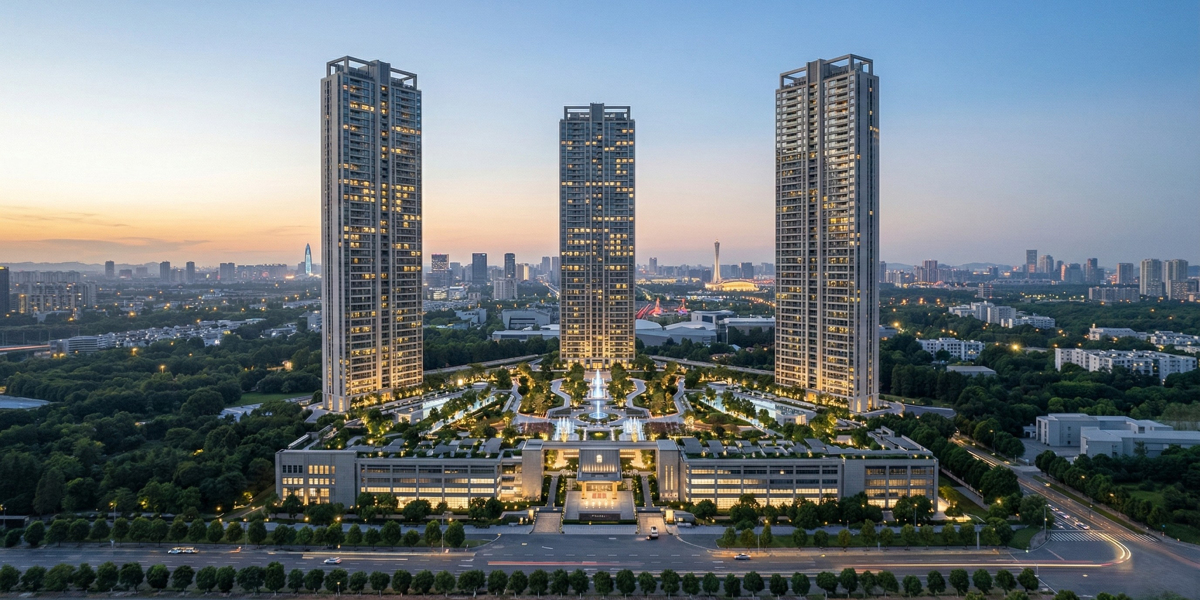 BPTP Downtown 66: A Masterpiece of Vertical Luxury in Sector 66
BPTP Downtown 66 has emerged as one of the most anticipated high-rise developments on the Golf Course Extension Road. Designed by the globally acclaimed architectural firm Aedas, this project is not just a residential complex but a vertical ecosystem where luxury meets functionality.
-
 Aesthetic Clinic in Australia | Beauty Clinic in Carolina | PM Aesthetics
Discover a trusted aesthetic clinic in Australia and a professional beauty clinic in Carolina. PM Aesthetics offers advanced skincare, cosmetic treatments, and personalized beauty solutions.
-
 The Masterful Synergy at Signature Global Tonino Lamborghini
Signature Global Tonino Lamborghini Residences represents a ₹2,890 crore synergy of Italian supercar aesthetics and Indian engineering excellence in Sector 71.
-
 Sidewalk Repair NYC: A Complete Guide for Property Owners
Sidewalks in New York City endure constant wear and tear due to heavy foot traffic, extreme weather conditions, and tree root growth. Over time, cracks, uneven surfaces, and potholes can develop. These issues not only create an unpleasant appearance but also pose serious safety hazards for


