Vision problems like nearsightedness, farsightedness, and astigmatism affect millions of people in India. While glasses and contact lenses offer temporary solutions, many seek permanent vision correction through procedures like PRK (Photorefractive Keratectomy) laser eye surgery. This guide explains everything you need to know about PRK, including how it works, its benefits, risks, and recovery process.
What Is PRK Laser Eye Surgery?
PRK is a type of refractive surgery that uses a laser to reshape the cornea, improving how light enters the eye. Unlike LASIK, which creates a corneal flap, PRK removes the outer layer of the cornea (epithelium) before applying the laser. This makes PRK a safer option for people with thin corneas or dry eyes.
How PRK Differs from LASIK
Both PRK and LASIK correct vision by reshaping the cornea, but their techniques differ. LASIK involves creating a flap, while PRK gently removes the outer corneal layer, which then regenerates naturally. PRK has a longer recovery time but is often recommended for patients with specific eye conditions. If you're considering PRK laser eye surgery, consulting an experienced surgeon at a trusted eye hospital Ludhiana can help determine the best option for you.
Who Is a Good Candidate for PRK?

PRK is ideal for individuals who:
- Have stable vision for at least a year
- Are over 18 years old
- Have healthy corneas but may not qualify for LASIK
- Do not have severe dry eye syndrome
- Are free from autoimmune diseases that affect healing
A thorough eye exam by a qualified ophthalmologist will confirm your eligibility.
The PRK Procedure: Step by Step
- Pre-Surgery Evaluation – Your doctor will measure corneal thickness, eye pressure, and overall eye health.
- Anesthesia – Numbing drops are applied to ensure a painless procedure.
- Epithelium Removal – The surgeon gently removes the outer corneal layer.
- Laser Reshaping – An excimer laser precisely reshapes the cornea to correct refractive errors.
- Bandage Contact Lens – A protective lens is placed to aid healing.
The entire process takes about 10-15 minutes per eye.
Recovery and Aftercare
PRK recovery is longer than LASIK, taking up to a week for initial healing and several weeks for full vision stabilization. Key recovery tips include:
- Avoiding rubbing your eyes
- Using prescribed antibiotic and anti-inflammatory eye drops
- Wearing sunglasses to protect against light sensitivity
- Avoiding swimming or strenuous activities for a few weeks
Most patients notice significant vision improvement within a month.
Benefits of PRK Surgery
- No risk of corneal flap complications (unlike LASIK)
- Suitable for thin corneas
- Long-term stable vision results
- Reduced dry eye risk compared to other procedures
Potential Risks and Side Effects
While PRK is safe, possible side effects include:
- Temporary discomfort or blurred vision
- Light sensitivity
- Risk of infection (minimal with proper care)
- Slow visual recovery compared to LASIK
Choosing an experienced surgeon minimizes these risks.
PRK vs. Other Vision Correction Surgeries
- LASIK – Faster recovery but requires a corneal flap.
- SMILE – Minimally invasive but only treats myopia.
- ICL (Implantable Collamer Lens) – Suitable for high prescriptions but more expensive.
PRK remains a reliable choice for those ineligible for LASIK.
Cost of PRK in India
PRK costs between ₹25,000 to ₹50,000 per eye, depending on the clinic and surgeon’s expertise. Many hospitals offer EMI options, making it affordable.
Final Thoughts
PRK laser eye surgery is a safe, effective solution for vision correction, especially for those unsuitable for LASIK. If you're exploring permanent vision correction options, consult a specialist at a reputable eye hospital Ludhiana to discuss whether PRK is right for you. With proper care and follow-up, PRK can provide clear, long-lasting vision.

ASG Eye Hospital
2 posts
-
 Bendamustine for Scientific Research: Mechanism, Applications, and Research Uses
This article provides a detailed overview of Bendamustine, a unique chemotherapeutic agent characterized by its hybrid structure that combines a nitrogen mustard group with a purine-like benzimidazole ring. It explores the drug's dual mechanism of action—including DNA crosslinking
-
 Advanced MERS-CoV Animal Models to Accelerate Coronavirus Vaccine and Drug Development
Advanced MERS-CoV Animal Models to Accelerate Coronavirus Vaccine and Drug Development
-
 Could Staring Spells and Hand Tremors Be Epilepsy?
Discover 9 common misconceptions about epilepsy, including seizure symptoms, causes, treatment options, medication management, and seizure first aid. Learn the facts about epilepsy and improve awareness to support patients and families.
-
 How Women Long Sleeve Hoodies Redefine Tactical Streetwear Fashion
Women Long Sleeve Hoodies have transformed from simple wardrobe essentials into defining pieces of tactical streetwear fashion. Their evolution reflects a broader shift in how clothing is perceived—not just as a necessity, but as an extension of personality and lifestyle.
-
 Elevate Your Health with Natural Therapies in Oceanside
Discover natural healing at an Acupuncture Clinic Oceanside and a trusted Holistic Wellness Center Oceanside for stress relief, pain management, and total wellness.
-
 Get 10% Off Reliable ED Medicines with Medsvilla Special Deal
These medicines are commonly prescribed and widely used for managing ED symptoms effectively when used under proper medical guidance.
-
 How to Get a Hydrocodone Prescription
Online via Telehealth (Safe & Legal Guide)This guide explains how to safely and legally get a hydrocodone prescription via telehealth,
along with key legal rules and safety precautions. -
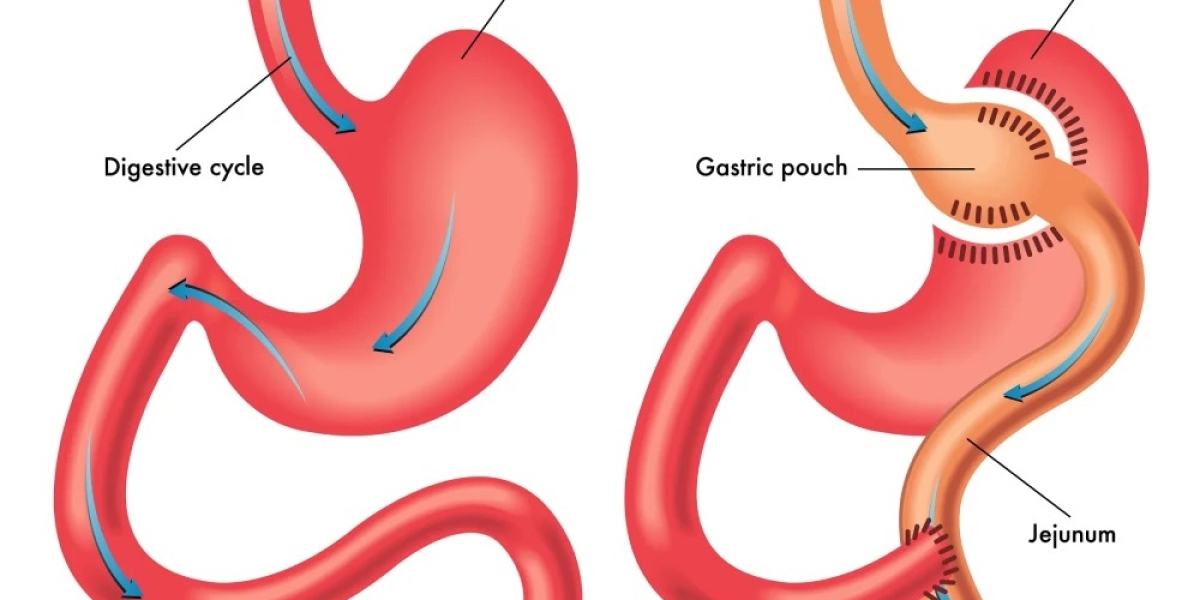 Transform Your Health with Advanced Surgical Solutions in Houston
Invest in your future. Choose Houston. Choose life-changing care.
-
 Unlocking Wellness: Functional Lab Testing & Nutraceutical Care in Columbia
Your path to balance, vitality, and healing starts here.
-
 How Modern Medical Equipment in Train Ambulance Ensures Patient Stability
Discover how advanced ICU equipment in Train Ambulance Service in Patna ensures patient stability during long-distance transfers with ventilators, monitors & expert care.
-
 Women’s Testosterone Dosage: What You Should Know
Testosterone isn’t just for men — it’s also a key hormone for women. When balanced properly, it supports energy, mood, muscle tone, mental clarity, and sexual wellness.


