Level Up Your Management Skills (While Munching Ghosts): A Look at Store Management Through Pacman

While it might seem a stretch at first, thinking about Pacman through the lens of store management reveals some surprisingly valuable lessons. Let's dive in and explore how you can level up your (imaginary) store owner skills while chomping pellets.
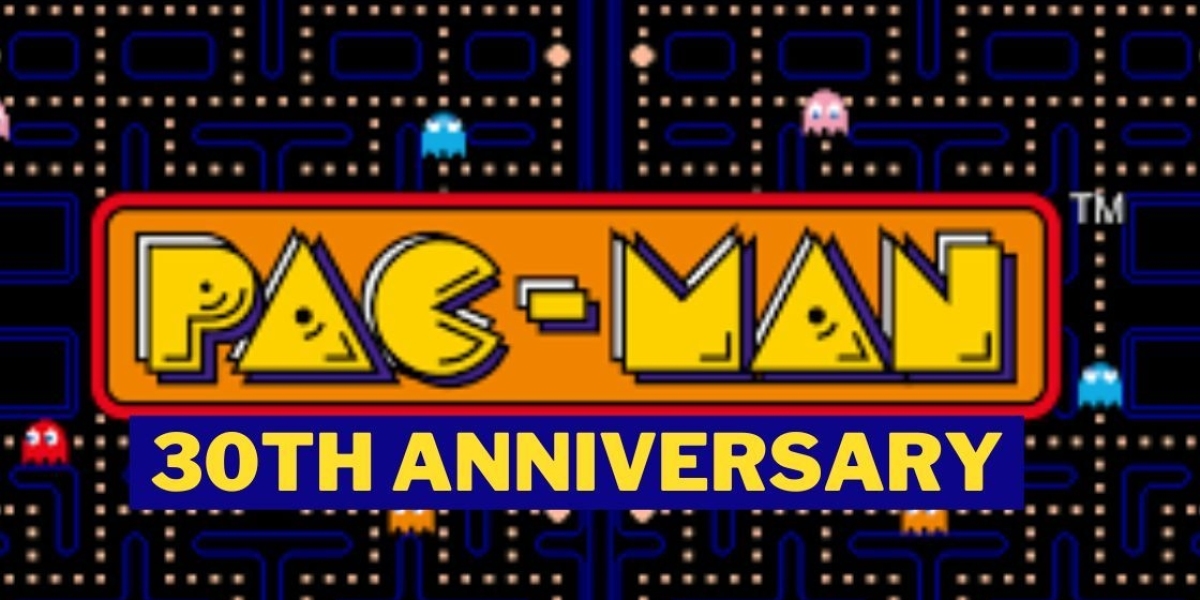
Gameplay as Store Management: A Pacman Paradigm
Okay, let's break down the core mechanics of Pacman and how they relate to store management.
- Inventory (The Pellets): Think of the pellets scattered throughout the maze as your inventory. Each pellet represents a product you need to sell. A well-stocked store, in Pacman terms, means a maze full of pellets ready to be consumed (purchased!). Your goal is to efficiently sell (eat) all the products (pellets) and keep your shelves stocked (reloading the maze after each level).
- Resource Management (Power Pellets): Those power pellets are like special promotions or deals. They are limited but give you a significant advantage. When activated, you can turn the tables on your competitors (the ghosts!) and even "consume" them. Strategically using these "promotions" at the right time can drastically boost your sales and market share.
- Customer Service (Avoiding Ghosts): The ghosts are like dissatisfied customers or potential pitfalls in running your store. Blinky (red), Pinky (pink), Inky (cyan), and Clyde (orange) each represent different challenges. Blinky might be a relentless competitor, Pinky could be negative online reviews, Inky could be unexpected expenses, and Clyde might represent inefficient processes within your business. Avoiding them is crucial to keeping your "business" alive.
- Route Optimization (Maze Navigation): Navigating the maze efficiently is like optimizing your store layout and workflow. You need to find the shortest, most effective routes to collect pellets (make sales) while avoiding ghosts (potential problems). This might mean strategically placing your products, optimizing checkout lines, or even streamlining your delivery process.
- Risk Assessment (Ghost Behavior): Understanding the patterns and behaviors of the ghosts is like analyzing market trends and competitor strategies. Knowing when and where the ghosts are likely to appear allows you to plan your moves accordingly, avoid potential dangers, and maximize your profits (pellet consumption). Knowing Blinky is aggressive and Inky is unpredictable helps you react strategically.
- Growth and Expansion (Bonus Fruit/Scoring): The bonus fruit that occasionally appears represents opportunities for growth and expansion. They offer a temporary boost in points, just like a successful new product line or a well-executed marketing campaign can boost your revenue. Scoring high is akin to increasing your store's overall value and profitability.
Tips for Thriving in the Pacman Storefront
So, how can you apply these management principles to your Pacman game? Here are some tips for a winning strategy, both in the game and in your (hypothetical) store:
- Plan your routes: Don't just wander aimlessly! Map out efficient paths to collect pellets, minimizing wasted movement and maximizing your "sales" potential. In store management, this translates to efficient stocking and employee placement.
- Strategically use power pellets: Don't waste power pellets when ghosts are far away. Save them for when you're surrounded or about to be cornered. Think of power pellets as a targeted marketing campaign or a limited-time offer; use them when you'll get the biggest impact.
- Understand ghost behavior: Observe how each ghost moves and reacts to your actions. This will help you anticipate their moves and avoid getting caught. This is the same as understanding market trends.
- Take calculated risks: Sometimes, you need to take risks to get ahead, like venturing into a dangerous area for a high-value pellet. But always weigh the potential reward against the potential danger. All business involve risk assessment.
- Adapt to changing circumstances: The ghosts' patterns and behaviors can change as you progress through the levels. Be prepared to adjust your strategy and adapt to new challenges. The market is always changing, so you need to adapt too.
- Learn from your mistakes: If you get caught by a ghost, analyze what went wrong and learn from your mistake. Did you misjudge a ghost's position? Did you take an unnecessary risk? Identifying your weaknesses is crucial for improvement. Same for your real business.
- Focus on long-term growth: While individual pellets are important, focus on maximizing your overall score and clearing as many levels as possible. This is like building a sustainable business that can thrive in the long run.
Conclusion: From Pixels to Practicality
While playing Pacman 30th Anniversary might not directly teach you how to balance a budget or manage employees, it can help you develop key strategic thinking skills that are valuable in any field, including store management. By consciously connecting the gameplay with these business principles, you can transform a simple arcade game into a fun and engaging learning experience. So, next time you're munching pellets and dodging ghosts, remember that you're also honing your management skills, one pixel at a time! Now go forth and conquer that maze, or… your business!
Tom Happy
33 posts
-
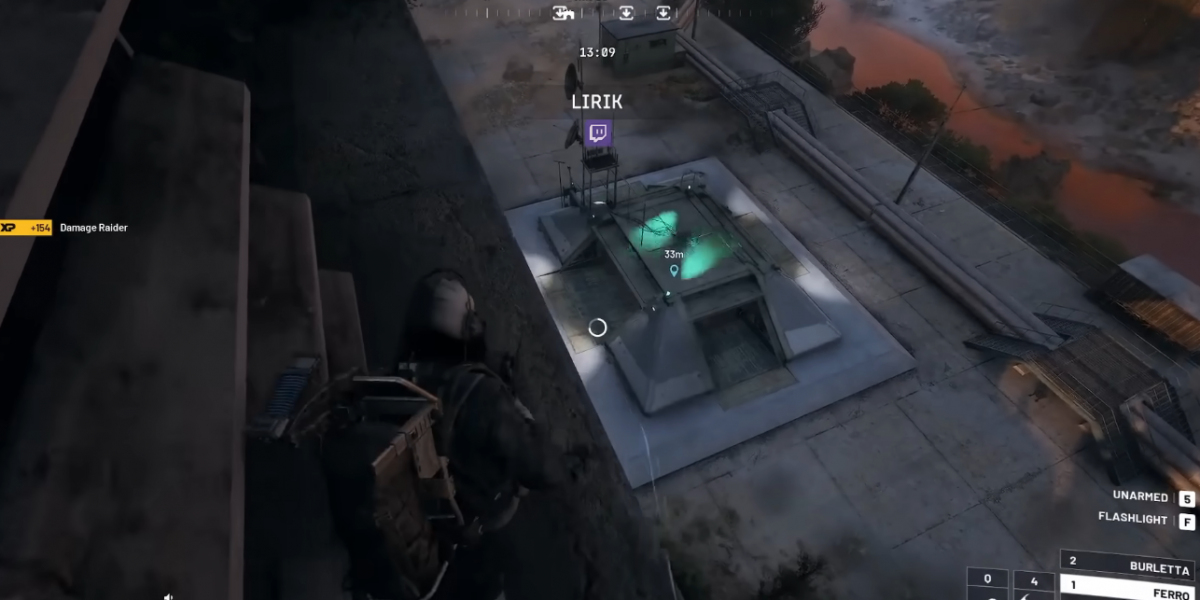 Where to Farm Mushrooms in ARC Raiders: A U4N Guide
Surviving and thriving in a hostile world requires a steady influx of materials, and efficient resource gathering is the foundation of your long-term success.
-
 The Psychology Behind Five Nights at Freddy's Fear
Why does Fnaf still make players nervous after all these years? Most gamers already know where the jump scares are. They understand the mechanics. They know the animatronics are coming. Yet many still feel anxious while playing. That reaction is not an accident. The success of Fnaf comes f
-
 Why Horror Games Make Ordinary Places Feel Unsettling
Castles, haunted mansions, and abandoned asylums certainly have their place in the genre. But some of the most memorable horror experiences I've had happened in places that felt surprisingly normal.
-
 Why I Keep Losing at Agario Even When I Think I’ve Improved
At least, that’s what I kept telling myself. You start noticing patterns, learning tricks, understanding positioning… and for a while, it feels like progress. You survive longer. You make smarter decisions. You stop dying instantly.
-
 Watch Live Football Matches on Yalla Shoot
Yalla Shoot – Live Football Streaming and Match Updates
-
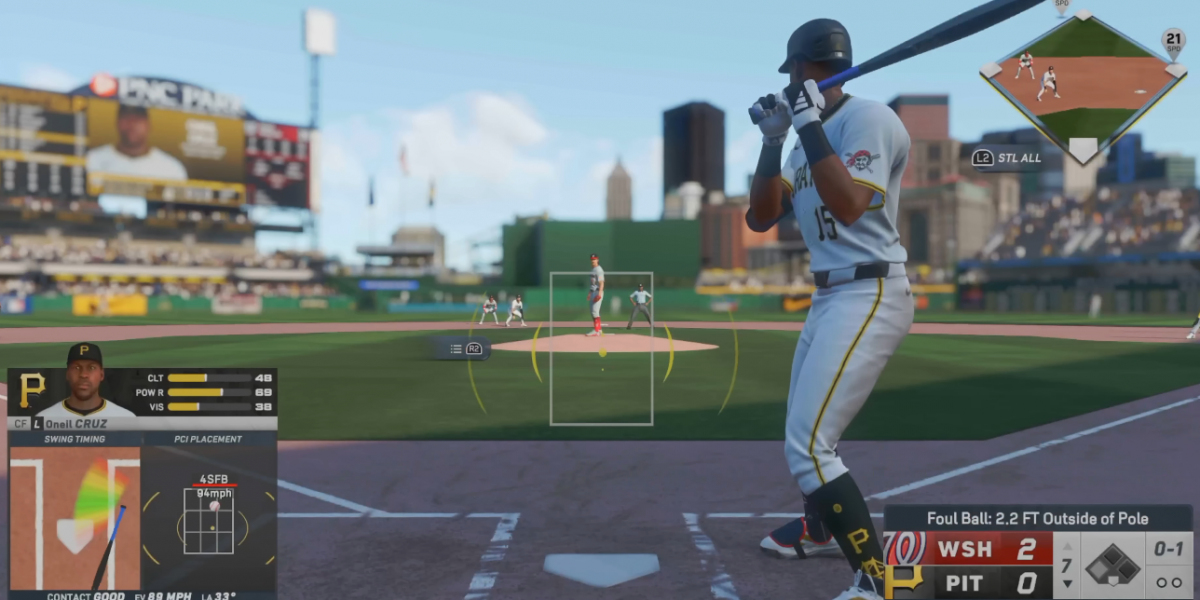 U4N: How to Complete Programs Faster in MLB The Show 26
If you want to survive the Diamond Dynasty grind in MLB The Show 26, you need to stop playing like a casual fan and start operating like an efficiency machine.
-
 Snow Rider: Play a Free Winter Racing Game
Jump, grab, and fly down snowy mountains in Snow Rider—an endless runner game that's free and browser-based.
-
 MMOEXP Beginner’s Guide to Aion 2 in 2026
The latest Aion 2 update is here, featuring improved rewards, Aion 2 Items, PvP enhancements, class balance changes, new cosmetics, and multiple bug fixes.
-
 Ragdoll Archers: A Physics-Based Archery Game Full of Chaos
A Physics-Based Archery Game Full of Chaos
-
 MMOEXP Path of Exile Guide: Hail Kingdom – Navigating the 0.5 Endgame Overhaul
Current prediction: Announcement likely the last week of April (Thursday, as usual), with patch release around May 8th.
-
 Xbox Game Pass May 2026 Lineup Brings Racing, Survival, RPGs, And Space Exploration
Few gaming subscriptions offer variety on the scale of Xbox Game Pass, and the May 2026 lineup proves exactly why the service continues attracting millions of players worldwide.


