- ITV's broadcasting division is sold to Sky for £1.6 billion.
- The deal marks the end of 70 years of ITV history in free-to-air commercial broadcasting.
- Regulatory approval and market conditions have made such a merger inevitable.
Historical Context and Current State
A generation ago, ITV was regarded as such a precious jewel in the UK broadcasting firmament that there was outrage when BSkyB acquired a significant stake to prevent any other company from gaining control. After a drawn-out saga, the then Murdoch-controlled Sky had to divest due to regulatory concerns over plurality. Politicians breathed a sigh of relief. That was 2006.
To say the UK television game has changed since those days is to understate matters grossly. As ITV unveiled its £1.6 billion deal to sell its broadcasting business – but not its more valuable programme-making studios operation – to Sky, now under the ownership of a US group, it was hard to detect any political uproar that might threaten the deal.
While everybody in TV-land agreed the transaction marks the end of an era (bringing an end to 70 years of ITV history, assuming regulators give a green light), Westminster has shown little concern in the seven months the talks have been running. Instead, there has been a general air of inevitability about the Sky/ITV combo – a sense that, in the age of Netflix, YouTube, Amazon, Disney+ et al., ITV's broadcasting division needed to seek shelter under a bigger roof.
Market Trends and Financial Implications
A decade ago, before the streamers and social media platforms grabbed chunks of the UK advertising market, ITV’s broadcasting business could make top-line earnings of £600 million in a good year; last year it did £234 million. The latter figure is still a long way from capitulation, but the trend has only been in one direction, which is why ITV's share price has been becalmed for years.
One can still view the price-tag of £1.6 billion as underwhelming for an operation which still has £2 billion of revenues and a top-line profit margin of 11.7%. That is especially so since £200 million of the sum is a contingent payment that depends on a 2027 revenue target being achieved. Yet it is probably also true that Dame Carolyn McCall, ITV’s chief executive, would have been castigated by her shareholders if she'd turned down £1.6 billion.
The sad fact is that dominance of free-to-air commercial broadcasting in the UK, which was once viewed as a licence to print money, has become seen by the stock market as a way to get poorer slowly. McCall's plan A for a remedy was to join the streamers via the launch of ITVX and, up to a point, that venture has worked: ITV’s digital advertising revenues improved 12% last year.
Unfortunately, the sheer size of the older linear business meant that investors were never truly interested in mini-digital triumphs. Since the day in 2022 that McCall announced the heavy investment in the launch of ITVX, the share price, now 82 pence, has never seen 100 pence again.
Regulatory Considerations and Future Outlook
In the absence of a full takeover bid, a break-up of ITV – separating broadcasting from more exciting business of making the programmes – has been seen as the only way to get investors to tune in. Sky counts as a more credible buyer than most alternatives, since it still retains a vague air of Britishness even under US ownership.
That might help to smooth a regulatory process that will take a year at least. The debate on that score is about which measure of advertising market share you prefer: the combined 70%-ish in commercial TV or the 6.5% of the overall UK advertising market. One suspects the Competition and Markets Authority (CMA) may wish to insert anti-price-gouging remedies to protect TV advertisers.
Sky made the required noises on day one about public service commitments, including on news provision, and maintaining the necessary quota of UK content. The real sadness about the deal is that, 20 years ago, regulators and politicians weren’t wrong about ITV’s status. It was a power in the land.
Conclusion
If Project Kangaroo had been allowed 20 years ago, it could have created a formidable UK competitor to global streaming services. Instead, we've now arrived at a point where ITV must throw its broadcasting and streaming lot in with Sky, a business which itself is far from being the main event at Comcast.
In terms of a great British commercial television empire, one is left with a sense of what might have been. ITV will be better off concentrating on television production and its studios business; in time, its share price may re-rate. But it’s hard to feel uplifted by how we've got to this point.
Source: The Guardian

Business Daily
238 posts
-
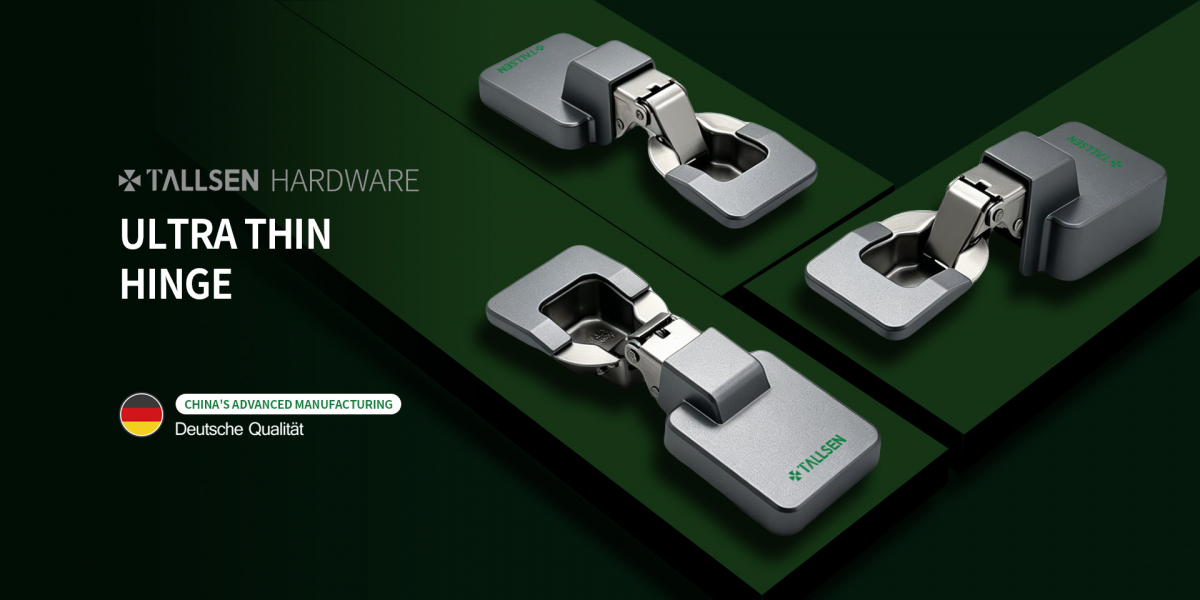 The Growing Importance of Precision Hardware in Modern Cabinet Systems
The global furniture and interior design industry is experiencing continuous growth as manufacturers strive to meet increasing consumer expectations for quality, durability, and modern aesthetics.
-
 Migsun Alpha Central – A Prime Commercial Destination
Explore Migsun Alpha Central Greater Noida, a prime commercial hub offering premium shops and strong business growth opportunities in a high-demand location.
-
 Exploring ISMS in Bangalore: Making the Technology Hub of India Stronger in Respect to Information Security
With the current explosion of information in the tech centric cities like Bangalore, information security excels top priority for businesses.
-
 The Importance of the Modern Security Audit Services
With the rise in cyber threats in the digital, businesses from all sorts of sectors today cannot do without Security Audit Services.
-
 Đề xuất bổ sung quy định tháo dỡ chung cư, tập thể cũ xuống cấp
Đại biểu Trần Văn Tuấn đề nghị bổ sung quy định về tháo dỡ công trình hết hạn sử dụng, nguy cơ sụp đổ, nhưng chưa tới mức khẩn cấp, như chung cư cũ.
-
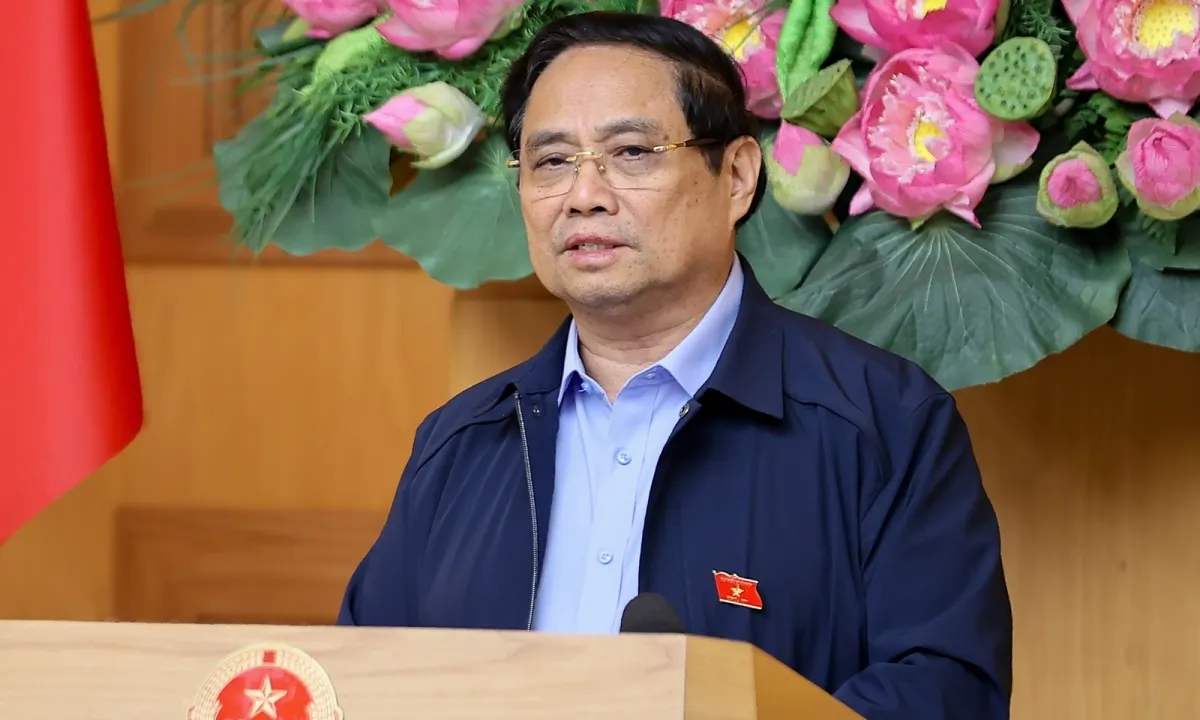 Thủ tướng: Tạo điều kiện khi doanh nghiệp tư nhân tham gia các dự án lớn
Thủ tướng yêu cầu tạo điều kiện nếu doanh nghiệp tư nhân nhận nhiệm vụ khó khăn ở những dự án lớn.
-
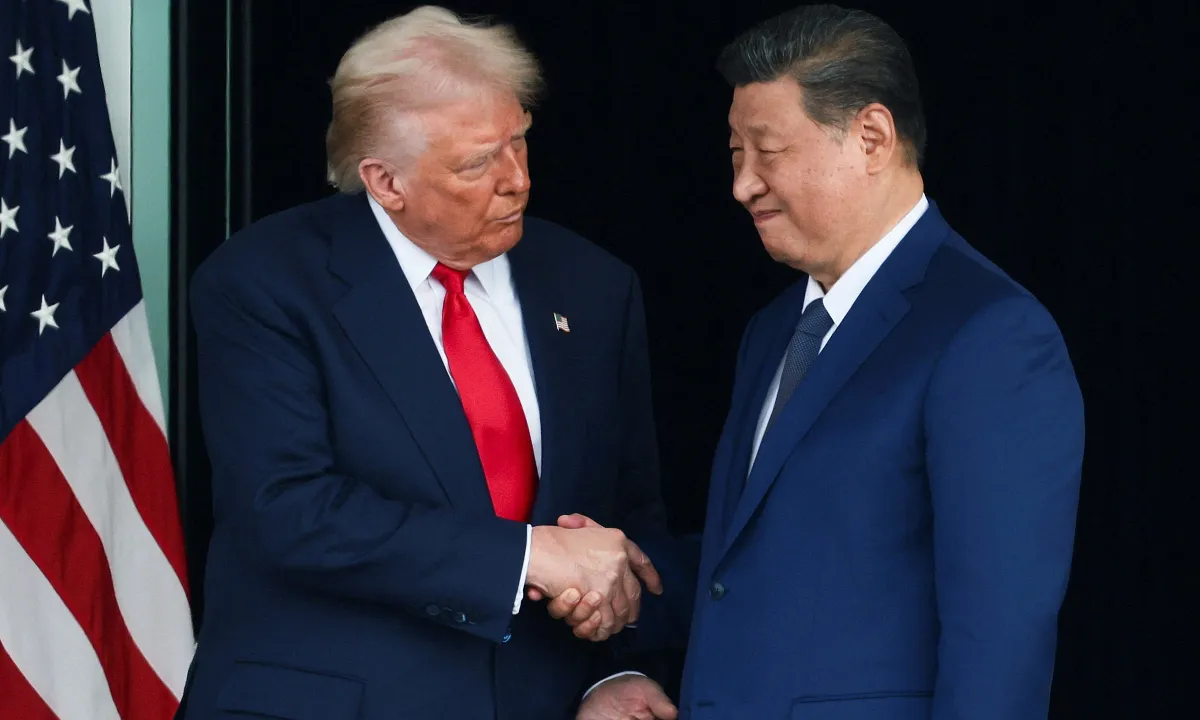 Mỹ - Trung Quốc thống nhất gì trong cuộc họp tuần này
Ngày 1/11, Nhà Trắng công bố chi tiết thỏa thuận mà Tổng thống Mỹ Donald Trump đạt được với Chủ tịch Trung Quốc Tập Cận Bình tại Hàn Quốc.
-
 IT Security Certification – Importance Today Digital World
IT security professionals in an age of rising cyber threats are in very high demand.
-
 Safety Valve Supplier in Saudi Arabia
Middleeast valve is the best Safety Valve Supplier in Saudi Arabia.
-
 System and Network Security in Bangalore: Safeguarding Digital Infrastructure
With Bangalore becoming a technological powerhouse, Bangalore requires more and more effective system and internet security in Bangalore.
-
 Understanding Data Security Information: Protecting against Digital Theft
The more data we produce, the more critical to understand data security information is.


