‘I have successfully defended my personal dignity’: woman wins rare MeToo court victory in China

By Amy Hawkins in Beijing • July 3, 2026 • World news
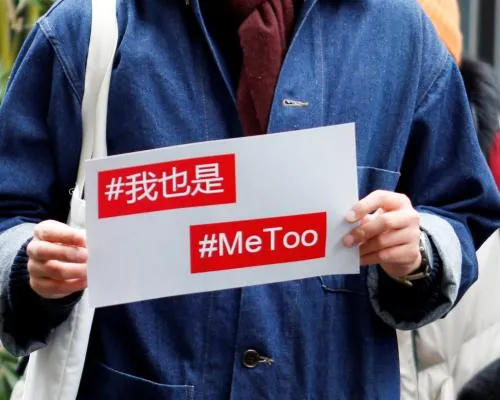
Former intern and employee awarded 5,000 yuan (£554) in emotional damages after court found former manager had harassed her
A woman in China has won a rare legal victory in a workplace sexual harassment case. The woman, a former intern and employee at Beijing Grassland Alliance, an environmental NGO, was awarded 5,000 yuan (£554) in emotional damages, to be paid by her former manager, who the court ruled had sexually harassed her. The manager was also ordered to write an apology to her. The case is as a rare example of an employee winning a claim about sexual harassment in a country where the MeToo movement enraged millions of women, but was quickly snuffed out by the authorities. Discussion of sexual harassment briefly surged on social media but was then censored to prevent the conversation snowballing into a wider social movement, with the hashtag #MeToo blocked. The ruling was originally made in January and upheld on appeal last week. “I have successfully defended my personal dignity,” said the woman, who asked to be referred to by her nickname, Xiong, to protect her privacy. She said the result “exceeded her expectations”. Xiong joined the Beijing Grassland Alliance as an intern in early 2022 in Fujian, a province in south-east China where she was studying at the time. Soon after she started she said that her manager, a man ten years her senior, started sexually harassing her. His behaviour included joking about her bra size, holding her hand and sending her sexually suggestive text messages. In one message submitted as evidence, her manager said: “Don’t get caught up in romance and hang around with your girlfriend, think about me more”. In another, he said: “I have a special fondness for you”. Xiong detailed her experience in an essay published on WeChat last year, in which she said she did not immediately identify her manager’s jokes about her bra size as harassment. “I didn’t realise it was sexual harassment, the atmosphere was cheerful and my embarrassment and sense of weirdness seemed out of place,” Xiong wrote. Xiong said that when she tried to speak to people in her industry about the experience her concerns were brushed off. It was only after talking to DeepSeek, a Chinese AI chatbot, that she felt like her suffering was acknowledged, she said. She left the NGO in 2024 and last year filed a lawsuit against her former manager. Beijing Grassland Alliance did not respond to a request for comment and Xiong’s former manager could not be reached for comment. Only since 2021 have victims of sexual harassment had the right to sue perpetrators, including companies, for civil liability. But cases are extremely rare. A 2018 study found only 34 judicial decisions from 2010 to 2017 where workplace sexual harassment was the primary issue. The majority of those cases were brought by employees who had been fired after being accused of sexual harassment. May Lu, managing partner at Shanghai Yaowang law offices who specialises in employment issues, said that in recent years there were more cases of victims of sexual harassment filing lawsuits, thanks to the influence of the MeToo movement and the development of Chinese laws. “But overall, we could not say it is common to see such cases successfully filed,” Lu said. “One of the reasons is culturally it is difficult for females speak up about sexual harassment”. The global conversation about combatting sexual harassment, sparked by revelations about Hollywood producer Harvey Weinstein in 2017 ignited heated discussion in China, with many women sharing their own experiences online. But many of these testimonies were censored by the authorities. In 2018, Zhou Xiaoxuan, a former intern at the state broadcaster CCTV accused a high-profile TV presenter, Zhu Jun, of forcibly kissing and groping her. The accusation went viral and Zhou, also known by her nickname Xianzi, became one of the most recognisable faces of China’s nascent MeToo movement. But she lost her legal case against Zhu on the grounds of insufficient evidence. Zhu, who denied the claims, also counter-sued Zhou for defamation, although this case was later dropped. In 2021, the professional tennis player Peng Shuai disappeared after she publicly accused the former vice-premier Zhang Gaoli of coercing her into sex. She later reappeared and said that there had been a “misunderstanding” about her social media post and that she had never made sexual assault allegations. Zhang did not comment publicly on the allegations. Xiong’s case succeeded in part because she was able to provide evidence from WeChat conversations between herself and colleagues at Beijing Grassland Alliance, including with her former manager. These included apologies from her former manager for making her feel uncomfortable. The manager argued at court that the apologies were an attempt to smooth over a professional relationship rather than an admission of guilt. The ruling also acknowledged power imbalances in the workplace . “As a team leader, an individual’s words and deeds have a far greater impact on employees than those of ordinary colleagues,” the judgement said. “Therefore, a leader should be more circumspect regarding the scale of their words and deeds, and fully respect the personal dignity of female employees.”
Source: The Guardian
Guardian News World
467 posts
-
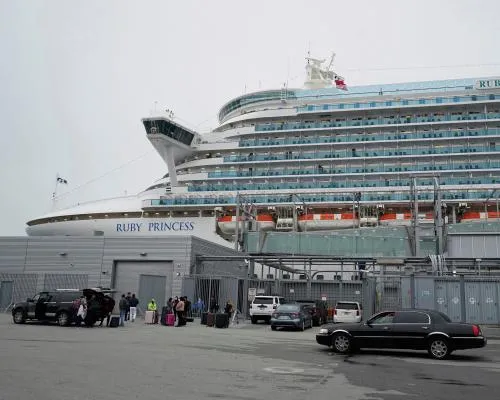 Third Norovirus Outbreak Reported on Princess Cruises Ship
More than 100 passengers and crew members on a Princess Cruises ship fell ill due to suspected norovirus, marking the third such outbreak this year.
-
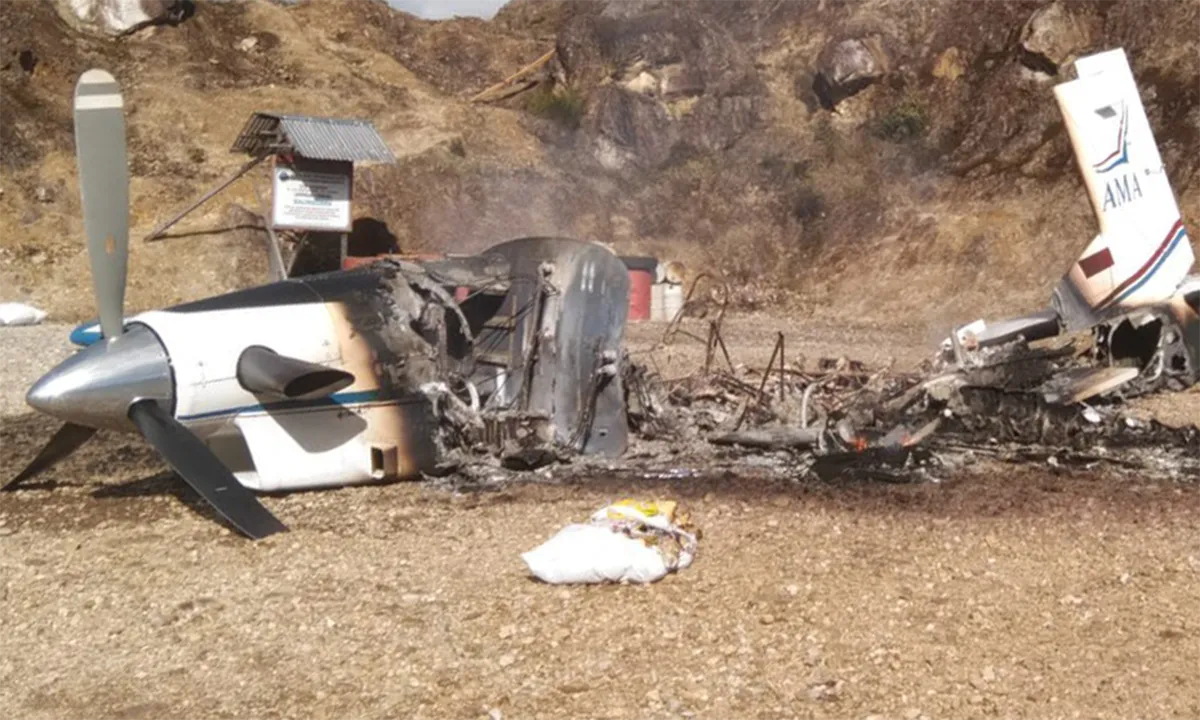 Phe ly khai tại Papua, Indonesia bắn hạ và phóng hỏa máy bay của phi công Mỹ
Phe ly khai tại Papua, Indonesia bắn chết phi công Mỹ và đốt cháy máy bay của người này để gửi thông điệp cho chính phủ Indonesia và Mỹ.
-
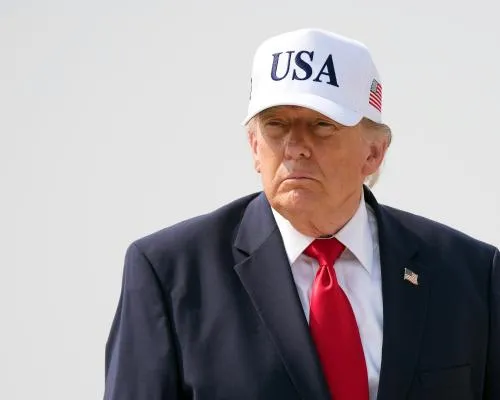 Trump posts AI video of him as doctor treating critics’ ‘derangement syndrome’
President, in latest AI-generated social media post, targets prominent celebrities who have spoken out against him
-
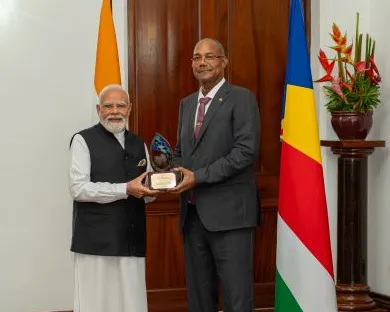 ‘Give him any award, and he’ll come running’: Narendra Modi racks up honours on overseas trips
Indian prime minister has a habit of collecting awards on his travels, some as their first and only recipient
-
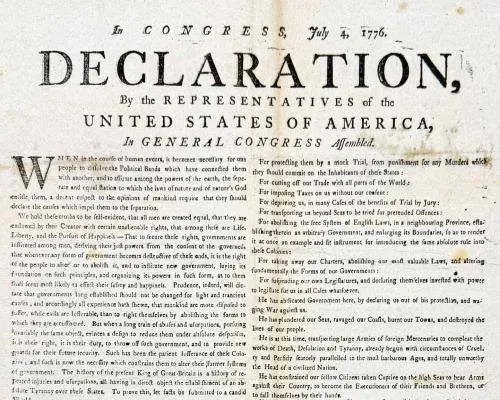 ‘Vanishingly rare’ copy of US Declaration of Independence found by volunteer in UK archives
One of 11 surviving copies of ‘Exeter printing’ and only one known outside US was taken from American privateer ship
-
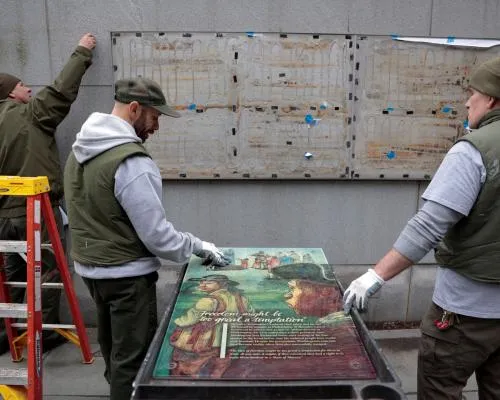 Trump administration can remove history and climate info from US parks, court says
In latest legal twist, appeals panel rules US does not have to reinstate signage on climate, immigration and slavery
-
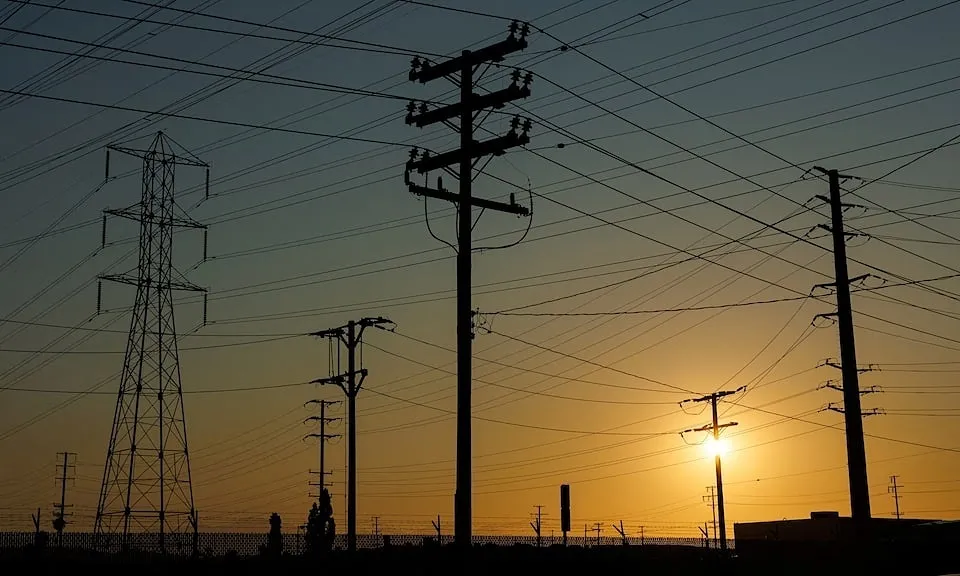 Nắng nóng cực đoan làm gia tăng áp lực cho hệ thống điện ở Mỹ và châu Âu
Nắng nóng cực đoan gây áp lực cho hệ thống điện ở Mỹ và châu Âu, khiến giá điện tăng vọt và hàng nghìn người tử vong.
-
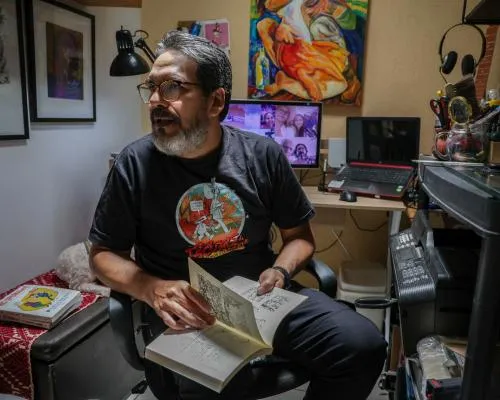 ‘Like good Mexicans, we laugh’: the cartoonist drawing humour from Sinaloa’s brutal drug cartels
Ricardo Sánchez Bobadilla has spent two decades casting a satirical eye over the region’s escalating narco wars, despite the risks
-
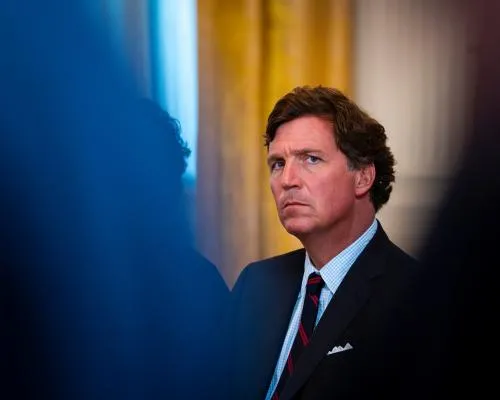 Tucker Carlson floats idea of new political party in the US in interview
Former Fox News host further said he doesn’t ‘want to be a candidate’ for president and aired frustration with Trump
-
 Côte d’Ivoire floods kill 59 as west Africa endures torrential rains
Authorities say rainy season getting deadlier, with Ghana reporting 13 dead and floods hitting Benin, Togo and Nigeria


