The Role of Pesticides in Modern Agriculture
Pesticides are chemicals used to control or eliminate pests, fungi, and weeds that can harm crops. These chemicals are vital for protecting crops from various threats, including insects like whitefly, which can damage plant leaves and reduce yields. Diseases like powdery mildew also pose a significant risk to crops, especially under warm, humid conditions.
In agriculture, pesticides help maintain healthy crops, ensuring higher yields, better-quality produce, and protection against pest infestations. The challenge, however, is balancing the benefits of pesticide use with the costs involved, which can vary greatly depending on the pesticide type and the application scale.
Farmers often face tough decisions about which pesticides to use and how much to invest in pest control, especially when considering the impact of pesticide costs on overall profitability.
Pesticide Costs and Farming Budgets
The cost of pesticides can vary depending on the crop, the type of pesticide used, and the frequency of application required. High-quality insecticides and fungicides, such as those used to treat whitefly infestations and powdery mildew, tend to be more expensive. While the initial investment might seem high, the effectiveness of these pesticides in increasing crop yield often makes them a necessary expense.
Farmers, particularly those in developing regions or small-scale operations, often face financial constraints. In some cases, the cost of pesticides may account for a significant portion of their farming budget. For large-scale commercial operations, pesticide costs can increase quickly, especially when dealing with multiple pests and diseases across vast acreages.
Some reports suggest that pesticide costs can account for up to 20% of a farm's total operational expenses. This percentage can increase for crops highly susceptible to pests and require multiple pesticide applications throughout the growing season. High pesticide costs may force farmers to choose between purchasing pesticides and other essential farming inputs such as fertilizers or irrigation systems.
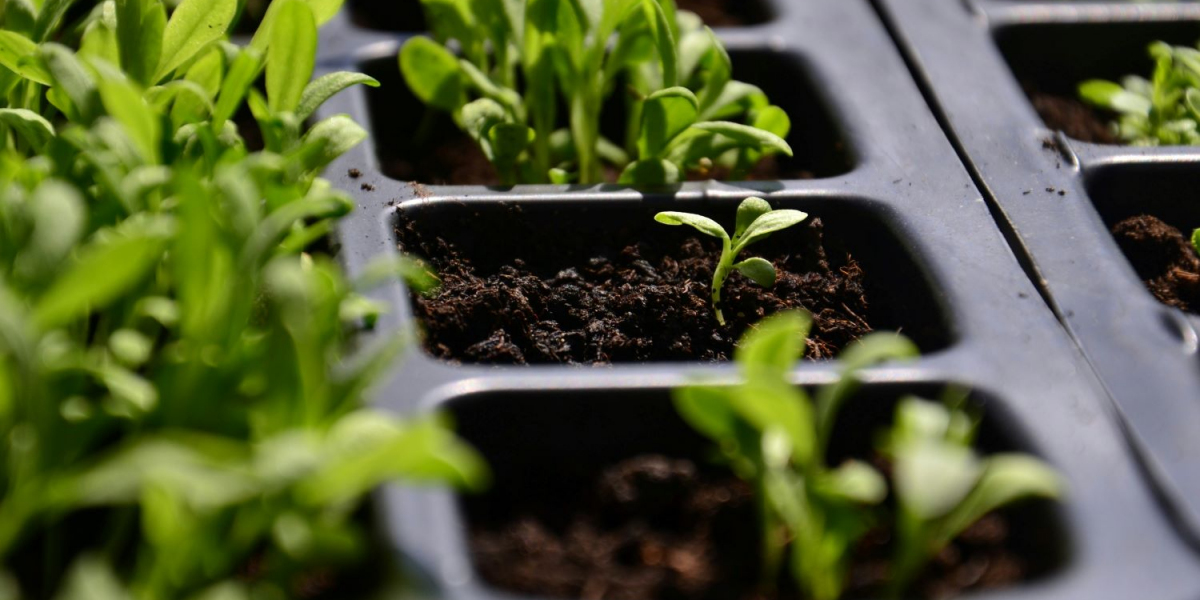
To better understand how specific products, such as Miraj botanical extract, can fit into your pest management strategy, it’s worth exploring how these natural solutions can complement traditional pesticide applications. Many farmers are considering alternatives to reduce costs and minimize environmental impact.
Impact on Profit Margins
Pesticide costs are primarily concerned with their effect on profit margins. If they continue to rise, farmers may struggle to maintain profitability, particularly in a competitive market where crop prices are often volatile. A small increase in pesticide prices could substantially impact overall production costs, potentially leading to lower margins or even losses if higher crop yields do not offset the cost increase.
Farmers may apply pesticides less frequently or opt for cheaper alternatives to offset rising pesticide costs. While this may reduce immediate costs, it can also affect the effectiveness of pest control and, in turn, crop yields. If pests and diseases are not controlled adequately, farmers may experience lower-quality crops and decreased production, ultimately resulting in a loss of income.
The decision on how much to spend on pest control is crucial. Striking the right balance between the effectiveness of pesticides and their cost is a key challenge for farmers seeking to maintain profitability.
Sustainability and Long-Term Costs
In addition to the immediate costs associated with pesticide use, farmers must also consider the long-term sustainability of their pest management practices. Over-reliance on chemical pesticides can lead to the development of pest resistance, which makes future pesticide applications less effective. This increases pest control costs and can result in higher environmental damage, further impacting farm productivity.
Proper safety measures, such as protective equipment and training, are also required to ensure the safety of farm workers and the surrounding environment. These safety costs can add another layer of expense to pesticide use. Furthermore, poor pesticide management can lead to soil and water resource contamination, leading to additional long-term remediation costs and potential fines or regulatory restrictions.
Sustainable farming practices, such as integrated pest management (IPM), combine biological, cultural, and chemical pest control methods to address these challenges. While IPM strategies can reduce dependence on chemical pesticides, they also require a greater upfront investment in monitoring, training, and pest-resistant crops.
Financial Assistance and Support for Farmers
To help mitigate the financial burden of pesticide costs, governments and agricultural organizations often provide subsidies, grants, or low-interest loans to farmers. These financial aids aim to make pesticides more affordable and accessible, especially for small-scale farmers or those in developing countries.
In many cases, government programs offer incentives for farmers to switch to more environmentally friendly pesticides or to adopt IPM strategies. Such support is essential for ensuring farmers can afford pest control measures without compromising profitability.
“Effective pest control is not just about what pesticides to use, but how they are integrated into a broader farming system that supports both short-term profits and long-term sustainability.”
The Cost of Pest Resistance
Pesticide resistance is a growing concern in agriculture. Pests like whitefly have developed resistance to certain insecticides over time, making it more difficult and expensive to control them. Farmers must rely on stronger or more expensive pesticides as pests become resistant, increasing their costs.
In addition, developing pesticide-resistant pests often reduces crop yields, as the pests continue to damage plants despite pesticide applications. This creates a cycle in which farmers must spend more on pest control, which reduces their profitability.
Farmers can combat pest resistance by rotating pesticide products, incorporating non-chemical control methods, and following recommended pesticide application guidelines. However, these strategies may require additional time, effort, and resources.
Alternative Solutions for Reducing Pesticide Costs
While pesticides are necessary for effective pest control, farmers can reduce their reliance on them and lower their costs in several ways.
- Integrated Pest Management (IPM): As mentioned earlier, IPM combines biological, cultural, and chemical control methods to manage pests in an environmentally responsible manner. By using pest-resistant crop varieties, introducing natural predators, and rotating crops, farmers can reduce the frequency and amount of pesticide use.
- Biological Control Agents: Biological control involves using natural predators or parasites to control pests. For example, beneficial insects can help reduce whitefly populations. Farmers can lower their pesticide usage and costs by using biological control methods.
- Improved Pest Monitoring: Advanced pest monitoring tools, such as pheromone traps or digital pest detection systems, can help farmers identify pest problems early and apply pesticides only when necessary. This reduces unnecessary pesticide applications and ensures that pests are controlled effectively before they cause significant damage.
- Organic Pesticides: Organic pesticides, such as neem oil or diatomaceous earth, can be a more affordable and eco-friendly than synthetic pesticides. While they may not be as potent as chemical insecticides, they can still help control pests like whitefly and powdery mildew without breaking the bank.
FAQs
How can pesticide costs affect small-scale farmers?
Small-scale farmers are particularly vulnerable to high pesticide costs. They may lack the financial resources to invest in expensive pest control products, which can consume a significant portion of their budgets. This can reduce profitability and make it harder for farmers to sustain their operations.
What are the long-term financial effects of pesticide resistance?
The long-term financial effects of pesticide resistance include increased pesticide costs, reduced crop yields, and higher environmental remediation expenses. Farmers may need to purchase stronger or more expensive pesticides to manage resistant pests, which can significantly impact their profitability.
Are there any subsidies available to help with pesticide costs?
Many governments offer subsidies or financial assistance programs to help farmers pay for pesticides. These programs may also support adopting sustainable farming practices, such as IPM or organic pest control, which can reduce pesticide expenses in the long run.
How can farmers reduce pesticide resistance?
Farmers can reduce pesticide resistance by rotating pesticides, using IPM techniques, and following recommended application guidelines. Additionally, incorporating biological control methods and pest-resistant crop varieties can help prevent the development of resistance.
Pesticide costs play a significant role in the financial viability of farming operations. Farmers must balance the need for effective pest control with the financial burden pesticides can impose on their budgets. While there are various ways to manage and reduce pesticide costs, finding the right approach requires careful planning and understanding the long-term implications for profitability and sustainability. By adopting integrated pest management strategies, improving pest monitoring, and considering alternative pest control methods, farmers can continue to thrive in an increasingly competitive agricultural landscape.

ronak bedi
1 posts
Warning: Undefined array key "language" in /www/wwwroot/yoosight.com/assets/includes/functions_three.php on line 1879
Deprecated: strtolower(): Passing null to parameter #1 ($string) of type string is deprecated in /www/wwwroot/yoosight.com/assets/includes/functions_three.php on line 1879
-
 Forza Horizon 6 Best Ways to Spend Your First Million Credits
Dropping into the neon-lit, tightly twisted streets of Tokyo and the scenic mountain touge runs in Forza Horizon 6, the game hands you an entirely new, highly structured progression system.
-
 Las Vaquitas Saturnitas Market Trends in Steal A Brainrot
If you’ve been playing Steal A Brainrot for a while, you’ve probably noticed the rising popularity of Las Vaquitas Saturnitas in the in-game economy.
-
 Steal A Brainrot: Unlocking the Latest Update’s Brainrots and Secrets
The latest update for Steal A Brainrot has brought a whirlwind of new content, including 11 brand-new brainrots, new rituals, rebirths, and a variety of secrets capable of generating astonishing earnings.
-
 Kashmir: Where Heaven Kissed Earth - The Ultimate Paradise Experience Awaits You
Book your Kashmir adventure today and discover why poets have been trying to capture its beauty in words for centuries – and always falling short.
-
 Yeezy Gap Hoodie and sneaker combos
After multiple washes, the Yeezy Gap hoodie holds its integrity better than expected. Minimal shrinkage, no pilling, and the fabric’s softness persists. The seams remain robust, hinting at durability that matches the premium price tag.
-
 Lyt Chocolate: A Sweet Treat for Guilt-Free Indulgence
Lyt Chocolate is more than just a sweet—it’s a modern solution for those who want to enjoy the pleasures of chocolate without sacrificing health. With its low sugar, fewer calories, and high-quality cocoa, it brings guilt-free indulgence to the table. Whether you’re managing your wei
-
 How to Track Your Progress on the Annapurna Base Camp Trek
Learn how to track your progress on the Annapurna Base Camp Trek using GPS apps, altitude monitoring, journals, and checkpoints for a safer, smarter, and more rewarding Himalayan adventure.
-
 How Moringa Capsules Support Heart and Cholesterol Health | Greenora
Discover how Moringa capsules help maintain healthy cholesterol levels and support heart health naturally. Learn benefits, uses, and trusted insights from Greenora.
-
 2025年最新版|入金不要ボーナスの魅力と最新トレンド
オンラインサービスの新規ユーザー向け特典として人気の 入金不要ボーナス。名前の通り、自分のお金を使わずにプレイできる無料特典です。2025年の最新トレンドを押さえて、より賢く活用する方法を解説します。
-
 De Voordelen van Spelen bij Nederlandse Bookmakers
Nederlandse bookmakers bieden spelers een veilige en gecontroleerde omgeving om te wedden. Door de regelgeving en toezicht van de Kansspelautoriteit (KSA) kunnen spelers genieten van een betrouwbare en transparante ervaring
-
 5 Best Sites to Buy Google Reviews in 2025 (5 Star
??✊? ➤?We are available online 24/7.
??✊? ➤?Telegram:@getusasmm
??✊? ➤?Email:getusasmm @ gmail.com
??✊? ➤?Telegram:@getusasmm
??✊? ➤? Come now our company :https://getusasmm.com/product/buy-goog


