Floss Before or After Brushing
When it comes to oral hygiene, a common question arises: should you floss before or after brushing? While both are crucial for healthy teeth and gums, understanding the correct order can maximize your dental care routine. Let’s dive into the science, benefits, and best practices for flossing and brushing to keep your smile bright and healthy.
Flossing and Brushing: What’s the Ideal Sequence?
Why It Matters
Oral hygiene is not just about having clean teeth; it’s about preventing plaque buildup, cavities, and gum disease. Knowing the answer to do you floss or brush first is more than a preference—it can impact the effectiveness of your routine.
Benefits of Proper Flossing
Flossing helps remove food particles and plaque from areas your toothbrush cannot reach. Using the correct technique is essential for preventing decay and maintaining fresh breath.
Expert Opinions
Dental experts often recommend flossing before brushing because it loosens debris, making it easier for toothpaste to clean your teeth. This sequence can also enhance fluoride absorption, promoting enamel strength.
How to Floss Effectively
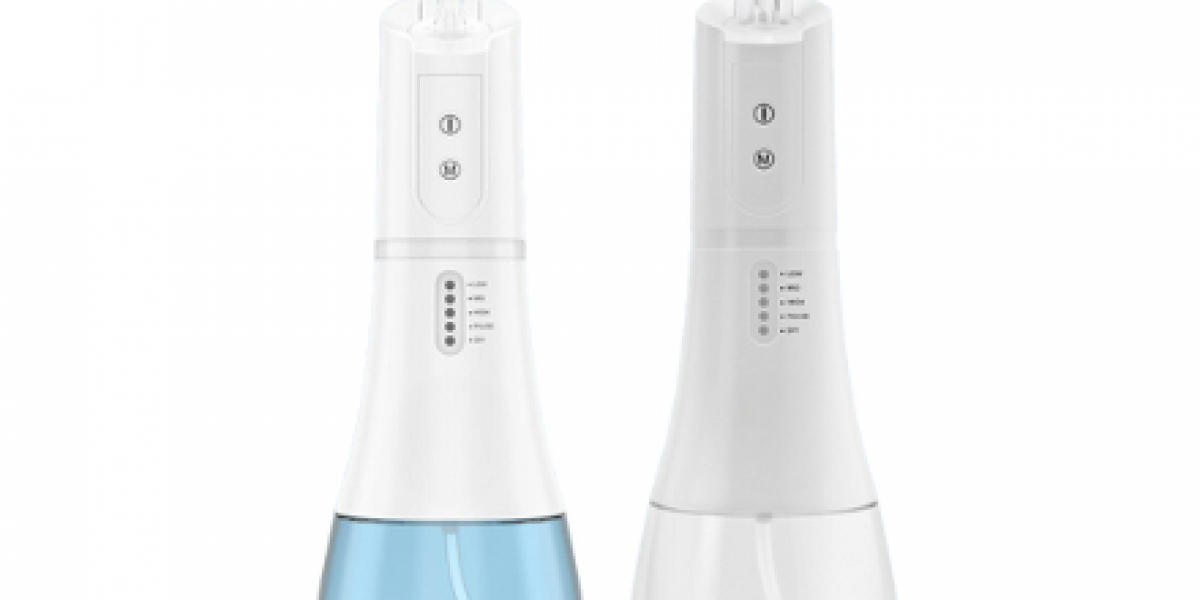
How to floss correctly involves using about 18 inches of floss, wrapping it around your fingers, and gently sliding it between each tooth. Avoid snapping the floss, as it can damage your gums.
Should You Floss Before or After Brushing
Key Insights into the Debate
The question of whether to floss before or after brushing has sparked discussions among dentists and oral care enthusiasts. While there’s no universal rule, flossing first often provides the best results.
Breaking Down the Routine
First Step: Flossing
Flossing first clears out food particles and plaque. This ensures that the brushing step effectively cleans all surfaces of your teeth.
Second Step: Brushing
After flossing, brush your teeth with fluoride toothpaste to remove remaining debris and strengthen enamel.
Third Step: Mouthwash
Using a mouthwash after brushing and flossing helps rinse away lingering bacteria and leaves your mouth feeling refreshed.
Why Order Matters
Flossing before brushing has been shown to improve overall plaque removal and allows toothpaste to reach areas between teeth more effectively.
Addressing Common Myths
Myth: Flossing after brushing is just as effective.
- Truth: Flossing first allows brushing to be more impactful.
Myth: Flossing isn’t necessary with regular brushing.
- Truth: Toothbrushes can’t reach between teeth as well as floss can.
Frequently Asked Questions
Should you floss before or after brushing for kids?
It’s best to teach kids to floss before brushing to establish a habit of thorough cleaning and better fluoride absorption.
Do you floss or brush first for sensitive gums?
Floss gently before brushing to avoid irritation and ensure proper plaque removal.
Can mouthwash replace flossing?
No, mouthwash complements but does not replace flossing. Flossing physically removes plaque, while mouthwash only kills bacteria.
How to floss with braces?
Use a floss threader or orthodontic floss to navigate around wires and brackets effectively.
Final Verdict on Flossing and Brushing
To achieve optimal oral hygiene, it’s recommended to floss before brushing. This sequence ensures that plaque and debris are removed first, allowing toothpaste to work its magic more effectively. Whether you choose to floss before or after brushing, consistency is key. Incorporate flossing into your routine daily, and always follow up with thorough brushing for a healthier smile.
By prioritizing flossing, brushing, and other oral care habits, you can prevent dental problems and maintain excellent oral health for years to come.

devin carl
2 posts
-
 Bendamustine for Scientific Research: Mechanism, Applications, and Research Uses
This article provides a detailed overview of Bendamustine, a unique chemotherapeutic agent characterized by its hybrid structure that combines a nitrogen mustard group with a purine-like benzimidazole ring. It explores the drug's dual mechanism of action—including DNA crosslinking
-
 Advanced MERS-CoV Animal Models to Accelerate Coronavirus Vaccine and Drug Development
Advanced MERS-CoV Animal Models to Accelerate Coronavirus Vaccine and Drug Development
-
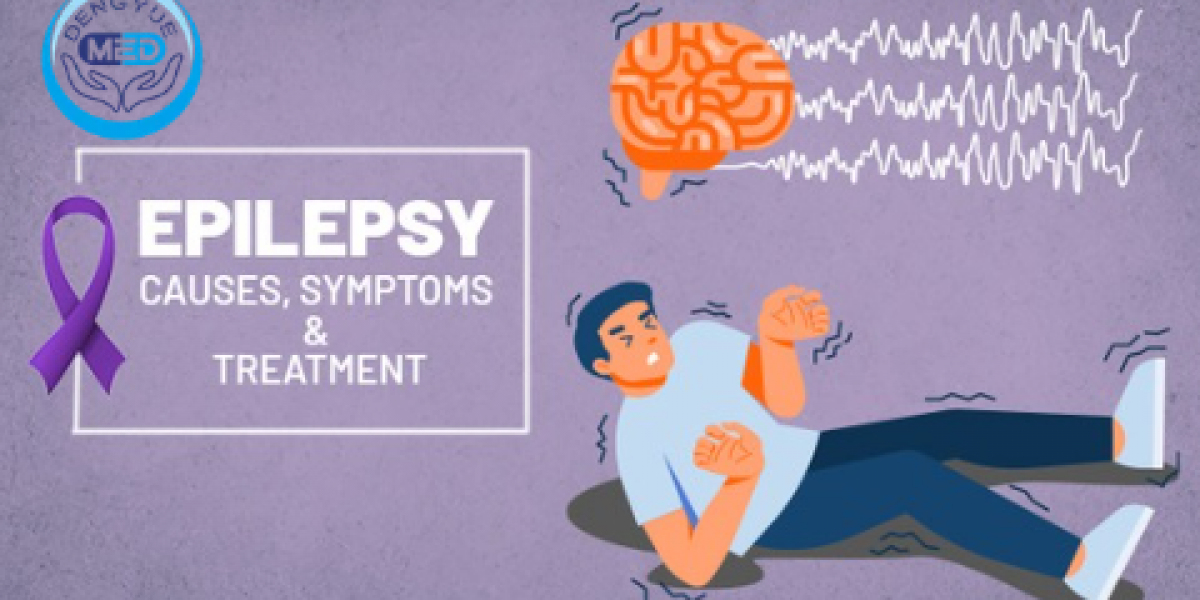 Could Staring Spells and Hand Tremors Be Epilepsy?
Discover 9 common misconceptions about epilepsy, including seizure symptoms, causes, treatment options, medication management, and seizure first aid. Learn the facts about epilepsy and improve awareness to support patients and families.
-
 How Women Long Sleeve Hoodies Redefine Tactical Streetwear Fashion
Women Long Sleeve Hoodies have transformed from simple wardrobe essentials into defining pieces of tactical streetwear fashion. Their evolution reflects a broader shift in how clothing is perceived—not just as a necessity, but as an extension of personality and lifestyle.
-
 Elevate Your Health with Natural Therapies in Oceanside
Discover natural healing at an Acupuncture Clinic Oceanside and a trusted Holistic Wellness Center Oceanside for stress relief, pain management, and total wellness.
-
 Get 10% Off Reliable ED Medicines with Medsvilla Special Deal
These medicines are commonly prescribed and widely used for managing ED symptoms effectively when used under proper medical guidance.
-
 How to Get a Hydrocodone Prescription
Online via Telehealth (Safe & Legal Guide)This guide explains how to safely and legally get a hydrocodone prescription via telehealth,
along with key legal rules and safety precautions. -
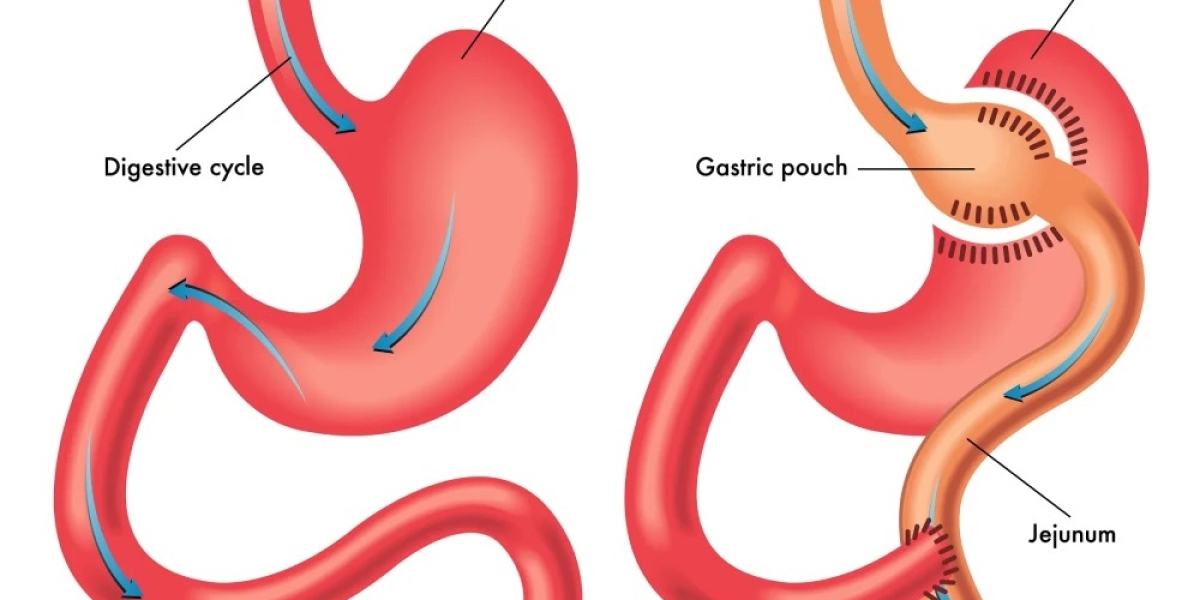 Transform Your Health with Advanced Surgical Solutions in Houston
Invest in your future. Choose Houston. Choose life-changing care.
-
 Unlocking Wellness: Functional Lab Testing & Nutraceutical Care in Columbia
Your path to balance, vitality, and healing starts here.
-
 How Modern Medical Equipment in Train Ambulance Ensures Patient Stability
Discover how advanced ICU equipment in Train Ambulance Service in Patna ensures patient stability during long-distance transfers with ventilators, monitors & expert care.
-
 Women’s Testosterone Dosage: What You Should Know
Testosterone isn’t just for men — it’s also a key hormone for women. When balanced properly, it supports energy, mood, muscle tone, mental clarity, and sexual wellness.


