Exploring the BSc Full Form: A Pathway to Innovation and Research
The BSc full form, Bachelor of Science, represents one of the most respected and widely pursued undergraduate degrees in the world. Known for its focus on scientific principles, analytical thinking, and practical skills, the BSc degree offers students a clear pathway to explore the world of science and technology. With its deep connection to research and innovation, the BSc degree equips graduates with the tools they need to contribute to groundbreaking discoveries and solve complex problems in various fields.
This article explores the BSc full form, its importance, the diverse fields it encompasses, and the career prospects it offers, especially in the realms of research and innovation.
What is the Full Form of BSc?
The BSc full form stands for Bachelor of Science, an undergraduate program focused on developing a deep understanding of scientific concepts. Typically spanning three to four years, the BSc program is offered in a variety of disciplines, including physics, chemistry, biology, computer science, environmental science, and more. The degree is designed to provide students with a robust foundation in both theoretical knowledge and practical application, making it a vital part of preparing future scientists, researchers, and innovators.
The BSc curriculum varies by country and university but generally combines classroom lectures, laboratory work, and independent research projects. This balanced approach ensures that students not only gain comprehensive knowledge but also develop critical thinking, problem-solving, and analytical skills.
The Role of BSc in Driving Innovation

One of the most significant aspects of the BSc full form is its close association with innovation and research. A Bachelor of Science degree is instrumental in shaping the future of scientific inquiry and technological advancements. Here's how:
1. Foundation for Scientific Inquiry
The BSc degree provides the foundational knowledge necessary for a career in scientific research. Whether it’s in the fields of health, engineering, space exploration, or environmental conservation, the principles learned during the BSc program are central to understanding how the world functions.
2. Hands-On Learning
Scientific research involves experimentation and observation, which is why BSc programs emphasize laboratory work and practical applications. Students learn how to design experiments, analyze data, and present their findings. This hands-on experience is essential for contributing to real-world scientific advancements.
3. Exposure to Cutting-Edge Research
Many BSc programs integrate research projects or thesis work, allowing students to contribute to ongoing research in their field of interest. Through these opportunities, students are exposed to current scientific challenges and innovations. This exposure helps shape them into researchers who can think critically and push the boundaries of knowledge.
4. Interdisciplinary Approach
Science is becoming increasingly interdisciplinary, with many of the biggest challenges requiring knowledge across multiple domains. The BSc degree often encourages students to explore courses in various scientific fields, enabling them to approach problems from diverse angles. This broad knowledge base is vital for innovation, where solutions often emerge from combining insights from multiple disciplines.
Specializations Within BSc: Exploring Diverse Scientific Fields
The BSc full form encompasses a wide range of disciplines, giving students the opportunity to specialize in a field that aligns with their passion and career goals. Each specialization contributes to various areas of research and innovation. Here are some of the key BSc specializations:
1. BSc in Physics
- Focus: Fundamental concepts of matter, energy, and the forces that govern the universe.
- Innovative Applications: Quantum computing, space exploration, renewable energy, and nanotechnology.
- Research Opportunities: Theoretical physics, experimental research in particle physics, and the development of advanced materials.
2. BSc in Chemistry
- Focus: Chemical reactions, molecular structures, and the development of new materials.
- Innovative Applications: Drug development, sustainable chemistry, and materials science.
- Research Opportunities: Organic chemistry, biochemistry, and environmental chemistry.
3. BSc in Biology
- Focus: Study of living organisms, ecosystems, and their interactions.
- Innovative Applications: Biotechnology, genetics, medical research, and conservation science.
- Research Opportunities: Genetic engineering, disease research, and environmental conservation.
4. BSc in Computer Science
- Focus: Software development, algorithms, and data structures.
- Innovative Applications: Artificial intelligence, machine learning, big data, and cybersecurity.
- Research Opportunities: Development of new algorithms, computer vision, and human-computer interaction.
5. BSc in Environmental Science
- Focus: The study of the environment and the impact of human activities.
- Innovative Applications: Climate change solutions, renewable energy, and sustainable practices.
- Research Opportunities: Environmental conservation, pollution control, and the development of green technologies.
6. BSc in Mathematics
- Focus: Theoretical and applied mathematics.
- Innovative Applications: Cryptography, data science, and statistical modeling.
- Research Opportunities: Mathematical modeling, optimization, and algorithm development.
Research and Career Prospects for BSc Graduates
The BSc degree not only opens the door to academic and research opportunities but also offers a broad range of career paths in both industry and academia. Graduates with a Bachelor of Science degree are highly valued for their problem-solving abilities, analytical skills, and technical knowledge.
1. Scientific Research
For those passionate about research, the BSc degree is often the first step towards a career in scientific discovery. Many BSc graduates choose to continue their studies by pursuing a Master’s or PhD in their chosen field, enabling them to engage in higher-level research and contribute to the development of new technologies and innovations.
2. Industry Roles
Many industries, including healthcare, technology, pharmaceuticals, and engineering, hire BSc graduates to fill research, development, and technical roles. Companies value BSc graduates for their ability to apply scientific concepts to solve practical problems.
3. Entrepreneurship
Graduates with an innovative mindset often choose to start their own businesses, leveraging their scientific knowledge to create solutions for societal challenges. Whether it’s launching a tech startup or founding an environmental consultancy, a BSc degree provides the skills and knowledge needed for entrepreneurial success.
4. Government and NGOs
Government agencies and non-governmental organizations often employ BSc graduates to tackle societal issues such as public health, climate change, and education. These roles often involve research, policy development, and community engagement.
How to Maximize Success in a BSc Program
While the BSc full form offers significant opportunities, students must approach the program with dedication and a proactive mindset. Here are some tips for succeeding in a BSc degree:
- Engage in Research Early: Participate in internships, research projects, or university-led studies to gain practical experience and build a research portfolio.
- Specialize Wisely: Choose a specialization that aligns with your passion and long-term career goals.
- Network with Professionals: Attend seminars, conferences, and connect with industry experts to build a network that can support your research and career growth.
- Stay Updated with Scientific Trends: Read research papers, journals, and articles to keep up with the latest trends and innovations in your field.
- Be Persistent and Curious: Research often requires a significant amount of trial and error. Stay curious, persistent, and open to learning.
Conclusion
The BSc full form, Bachelor of Science, is not just an academic qualification—it is a powerful tool that opens the doors to a world of innovation and research. Whether it's advancing technology, solving environmental problems, or discovering new medical treatments, the BSc degree provides the foundation for graduates to make meaningful contributions to society.
By offering a solid understanding of scientific principles and providing hands-on experience, the BSc program equips students with the skills and knowledge they need to succeed in various fields. The degree fosters critical thinking, problem-solving abilities, and a passion for discovery, all of which are essential for driving innovation.
In a world where scientific advancements are rapidly shaping our future, the BSc full form represents a vital step in the journey of those who wish to explore, create, and innovate.
Chris Creator
33 posts
-

7 Trường Công an công bố điểm thi đánh giá năng lực: Xét tuyển 2.070 chỉ tiêu7 trường công an đồng loạt công bố kết quả bài thi đánh giá năng lực, là căn cứ xét tuyển vào năm 2026. Thí sinh có thể tra cứu điểm thi qua các website của các trường.
-
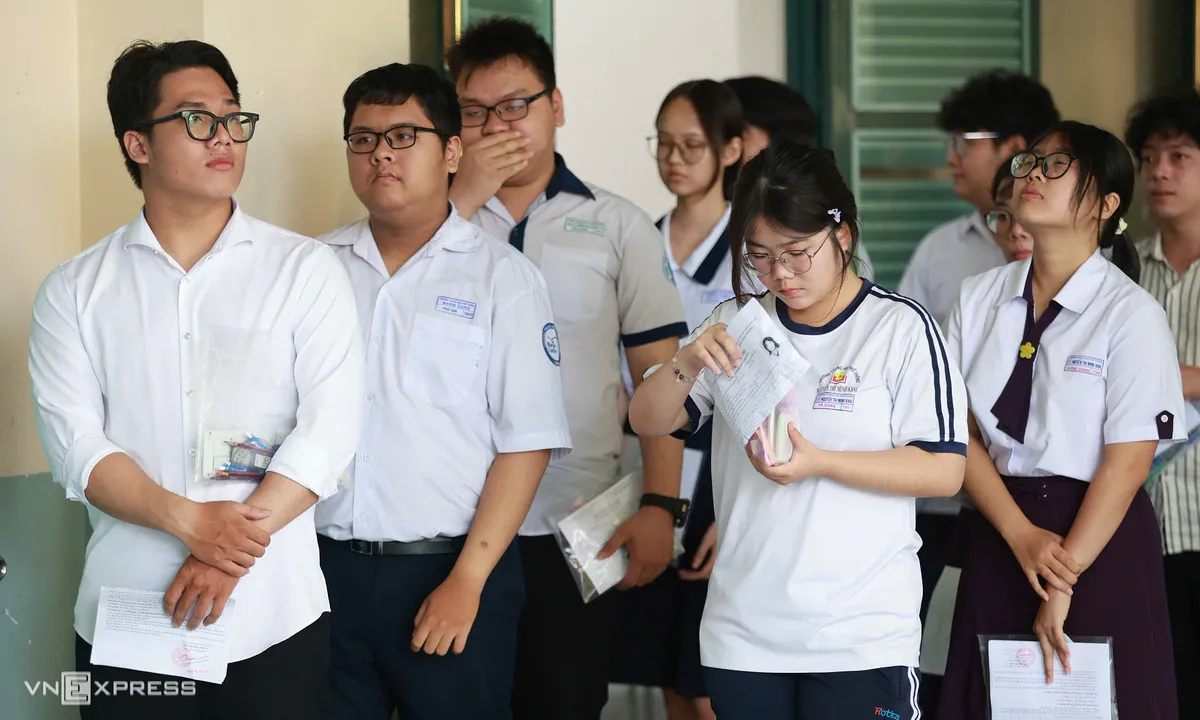
64 trường đại học công bố điểm sàn từ 15 đến 25 điểmBộ Giáo dục và Đào tạo yêu cầu các trường đại học đưa ra mức sàn điểm thi tốt nghiệp THPT để đảm bảo chất lượng đầu vào, với nhiều trường công bố điểm sàn từ 15 đến 25.
-
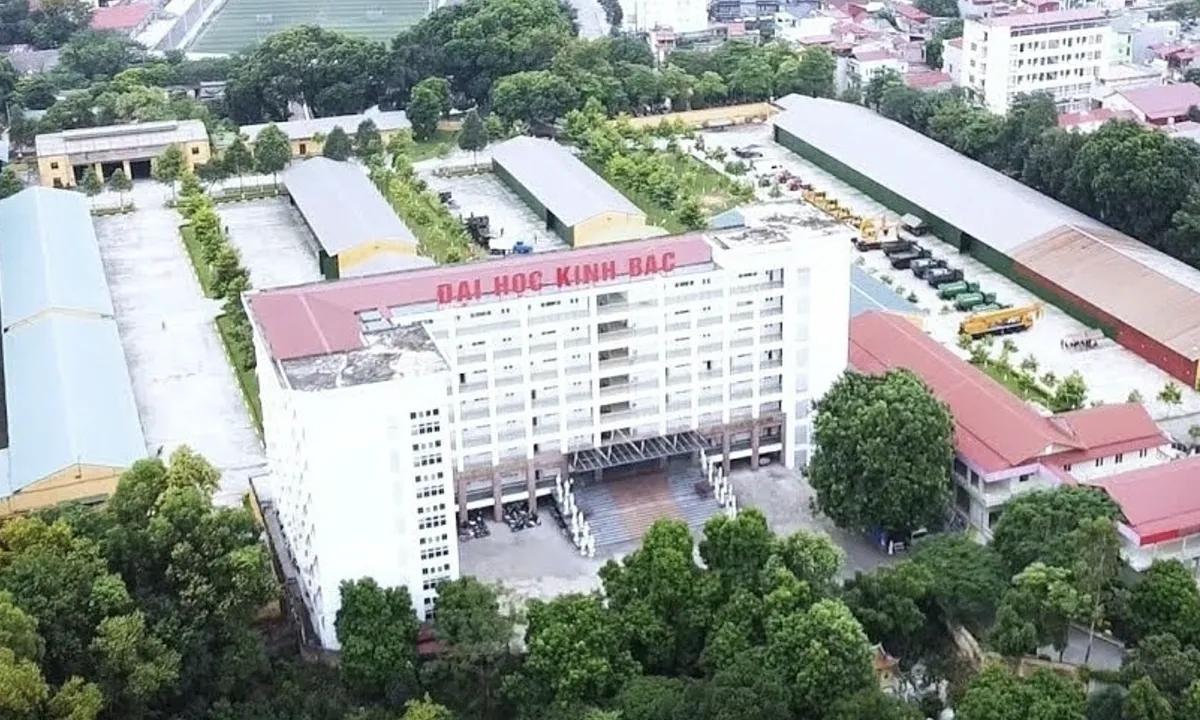
Phó Thủ tướng chỉ đạo giải quyết dứt điểm tranh chấp tại Đại học Kinh BắcBộ Giáo dục và Đào tạo nhận chỉ đạo từ Văn phòng Chính phủ yêu cầu giải quyết dứt điểm tranh chấp nội bộ tại Đại học Kinh Bắc, gây ra tình trạng gián đoạn đào tạo cho hàng nghìn sinh viên.
-
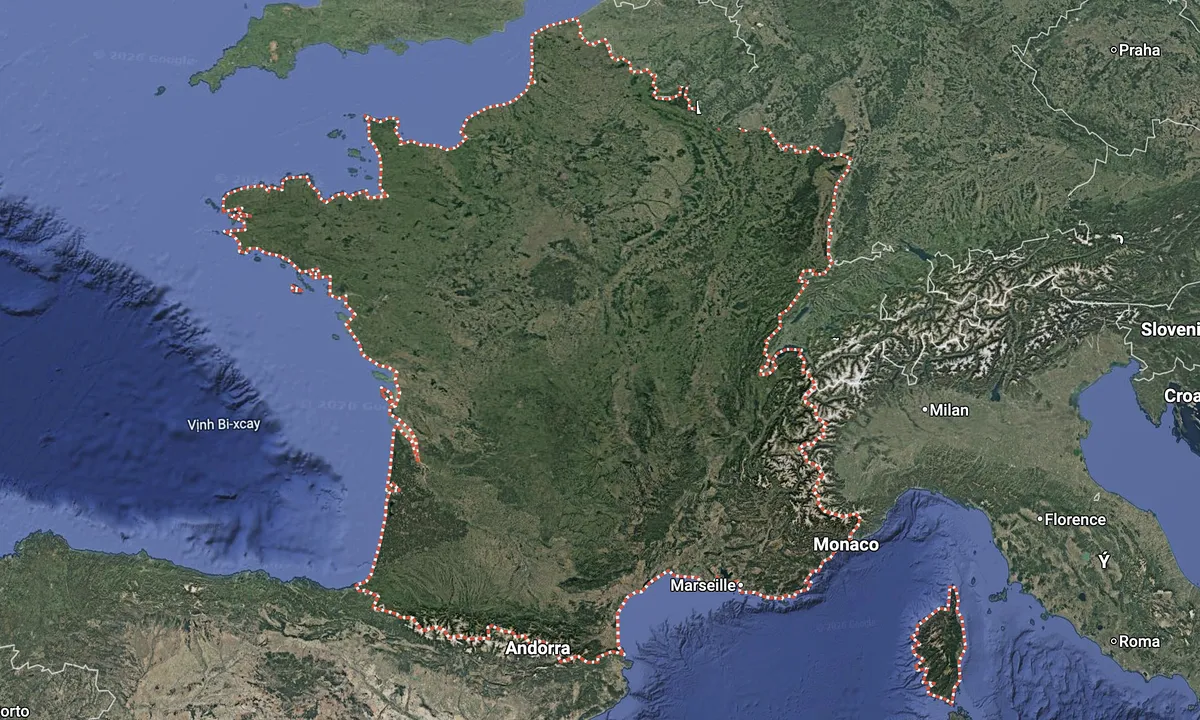
Nước Lào: Biệt danh 'đất nước hình lục lăng' từ hệ thống biên giới phức tạpĐất nước hình lục lăng là tên gọi đặc trưng của Nước Lào, nơi có phần lãnh thổ trung tâm giáp 8 quốc gia khác. Biệt danh này xuất phát từ hình dạng phong cách lãnh thổ độc đáo.
-
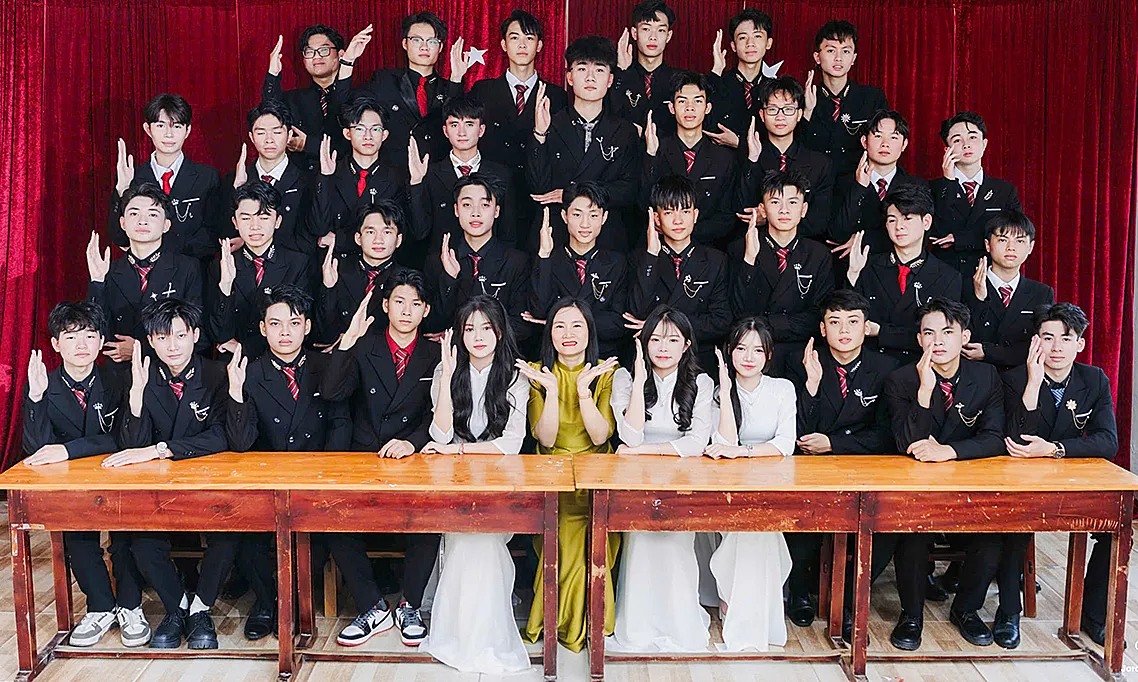
Lớp học ven biển xuất sắc với nhiều điểm 10 ToánLớp 12A6 của trường THPT Nguyễn Đình Liễn có nhiều điểm 10 Toán, trong đó 9 em đạt tuyệt đối, cao hơn điểm trung bình lớp và điểm chuẩn.
-
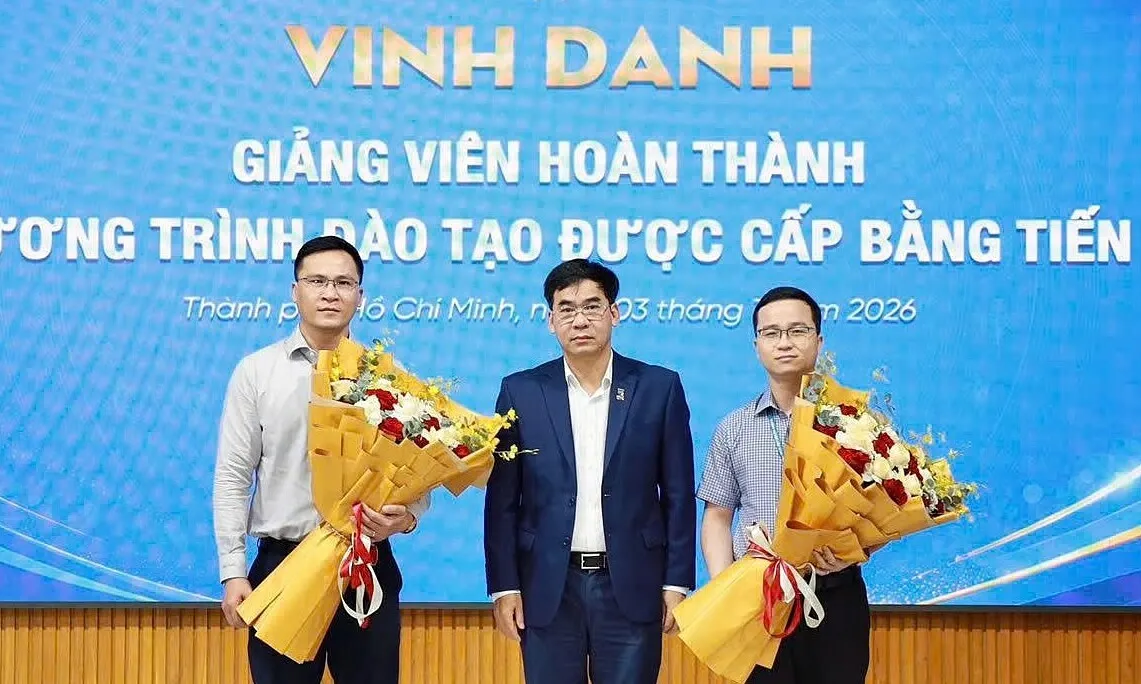
Đại học Luật TP HCM thưởng 180 triệu đồng cho giảng viên lấy bằng tiến sĩĐại học Luật TP HCM thưởng 180 triệu đồng cho giảng viên lấy bằng tiến sĩ nhằm tăng tỷ lệ tiến sĩ của trường.
-

15 tỉnh, thành phố thí điểm sáp nhập trường học và chuyển đổi hệ trung cấp sang trung học nghềBộ Giáo dục và Đào tạo thí điểm sáp nhập trường học tại 13 tỉnh, thành phố nhằm nâng cao chất lượng giáo dục, đồng thời chuyển đổi hệ trung cấp sang trung học nghề theo hướng hiện đại.
-
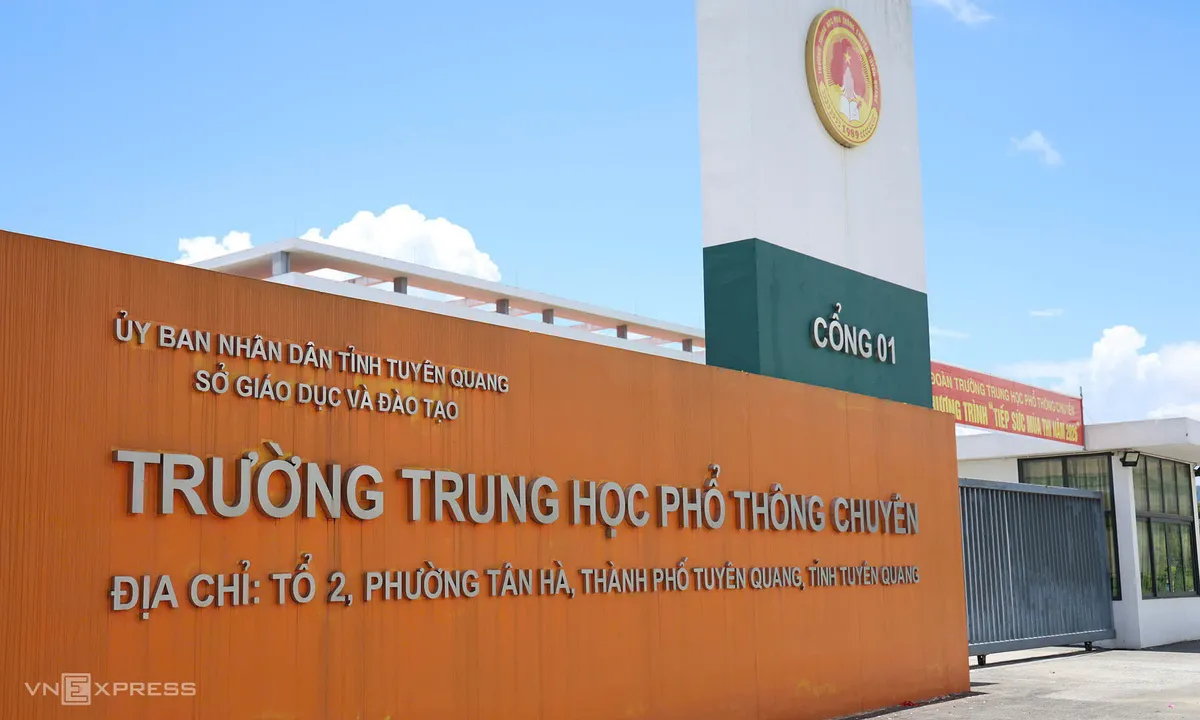
Tuyên Quang: Kiểm tra toàn bộ quy trình tổ chức thi với điểm thi, phòng thi có thí sinh đạt điểm caoTỉnh Tuyên Quang kiểm tra toàn bộ quy trình thi với bài toán đạt 10 điểm, đồng thời đối chiếu học bạ của các thí sinh.
-

Danh sách trường công bố điểm sàn thi tốt nghiệp THPT 2026: Xu hướng và dự báo điểm chuẩnViệc nhiều trường đại học công bố điểm sàn thi tốt nghiệp THPT 2026 cho thấy xu hướng tuyển sinh và dự báo về điểm chuẩn năm nay.
-

Điểm sàn Đại học Ngoại thương: Xét tuyển từ 23-24 điểm, mở rộng ngành mớiĐại học Ngoại thương công bố ngưỡng điểm sàn xét tuyển từ 23-24/30 cho các tổ hợp môn năm 2026, đồng thời mở rộng nhiều ngành mới như Khoa học dữ liệu và Trí tuệ nhân tạo.
-

Sông ngầm kỳ thú ở Đông Nam Á: Tuyển lựa mới cho kỳ quan thiên nhiênViệt Nam nằm trong khu vực Đông Nam Á, nơi có nhiều kỳ quan thiên nhiên độc đáo, như con sông ngầm dài hơn 8 km gây ngạc nhiên.


